by Azadeh Amirsadri
My sister Leyla and I are walking in New York City, talking about how some people love their dogs almost more than their children. In fact, in a very uncharacteristic moment, Leyla shares that she can’t stand the late night tv ads for abused dogs when there are people who are going hungry and suffering; and not only do I agree with her, but add about dogs’ different odors and that dog people think their dog doesn’t smell even though I can tell a house has dogs the minute I walk into one.
Growing up in Iran, we had two dogs at different times and invariably, something unexpected would happen to them. Shouka, a beautiful black and white hunting dog, lived with us, a large family of two parents, five girls, and two grandmothers. He was quite playful and once he made it all the way upstairs from the yard where he lived, to my sister’s bedroom. My sister woke up startled and Shouka was punished for frightening her. I felt bad for my sister who was getting comforted but felt even worse for Shouka who was all excited to hang out with us upstairs and was re-banished to the yard.
Shouka didn’t last with us very long. He was accompanying my father and his friends on a hunting trip in the mountains outside Tehran, according to the story we were told, and he disappeared. My dad said Shouka was so beautiful that probably a commercial truck driver must have stopped and offered him a piece of meat or other treat and there went this disloyal dog. Maybe he preferred being a dog that lives in a truck and gets to travel around, without the pressures of finding whatever poor bird my dad and his friends had shot. Maybe being in a family of too many females and only one male was too much pressure on him; I will never know because he never came back to us. Read more »

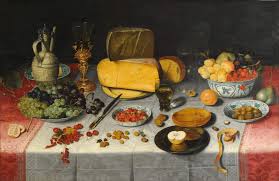 In an age where there is little agreement about anything, there is one assertion almost everyone agrees with—there is no disputing taste. If someone likes simple food instead of complex concoctions, who is to say that’s wrong. If I prefer bodice rippers to 19th Century Russian novels, you might say my tastes are crude and uncultured but hesitate to say one type of literary work is inherently better than the other. Aesthetic judgments are about subjective preference only. This is especially true of food and drink. Our preferences in this domain seem especially subjective. You can’t be wrong if you dislike chocolate ice cream can you?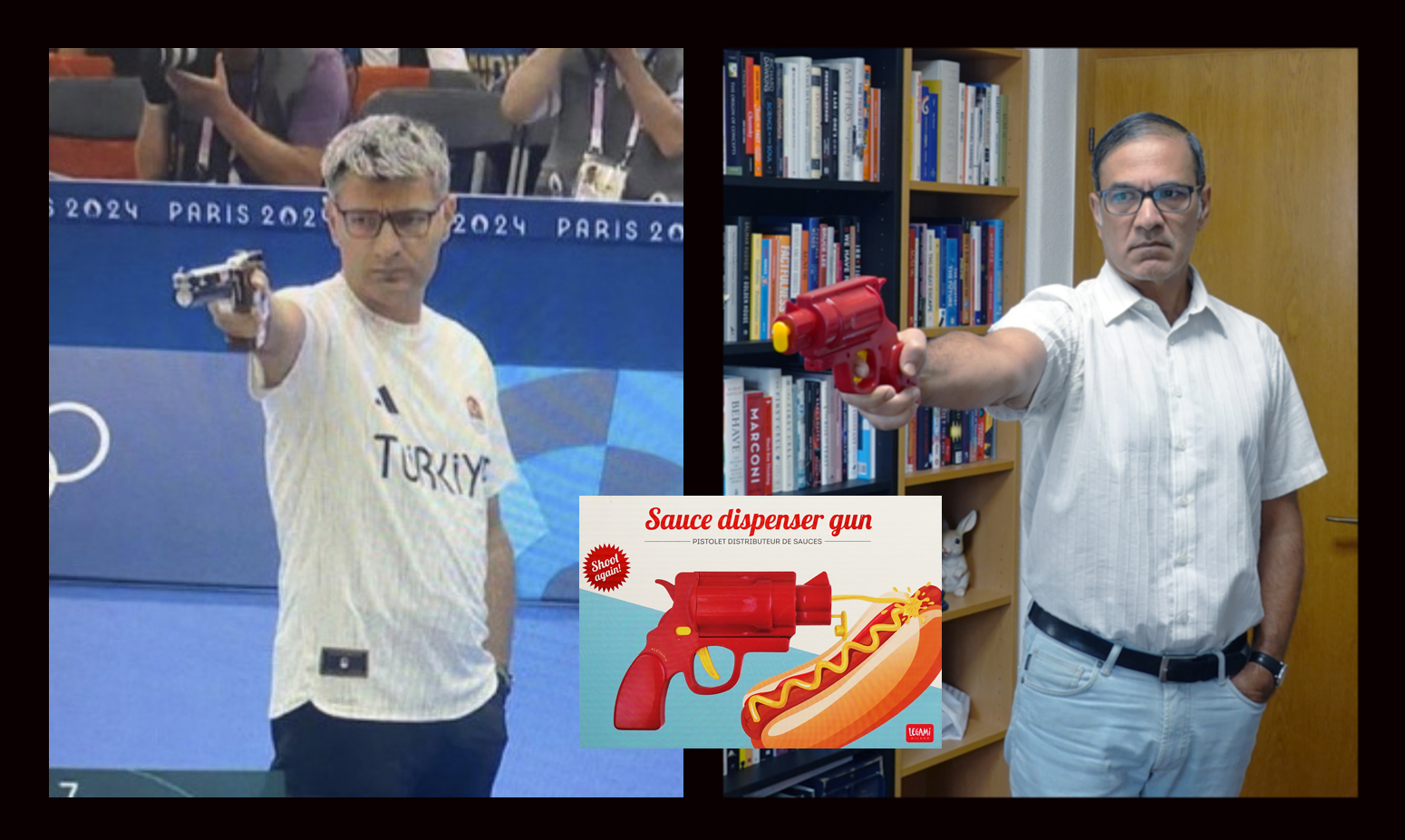

 How do we regulate a revolutionary new technology with great potential for harm and good? A 380-year-old polemic provides guidance.
 Firelei Báez. Sans-Souci, (This threshold between a dematerialized and a historicized body), 2015.

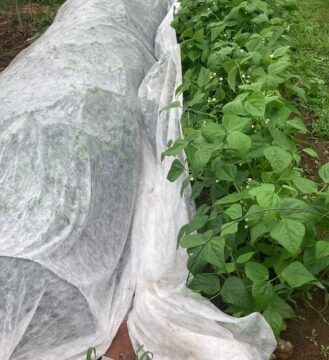 I take the row covers off of two forty-foot rows of beans (three varieties) as the plants have become so big so fast in the ungodly heat they are pressing against the cloth. Afterwards, in the early evening, I let the chickens out of their sweltering little house to run free for a couple of hours. I will watch them to see if they bother the plants. The birds might peck at and scratch up the bean plants, but these plants are so large the birds should be indifferent to them. The experiment is a success: The plants bask in full sunlight while the birds rummage for grubs around them. I decide to leave the row covers off for now and will recover them at night to deter the deer. One’s smallness is manifested in gardening, as the gardener is a single organism set against myriads. It is wise to tend to one’s insignificance during these times. Come what may, no one will care much about those who stay at home husbanding rows of Maxibel haricots.

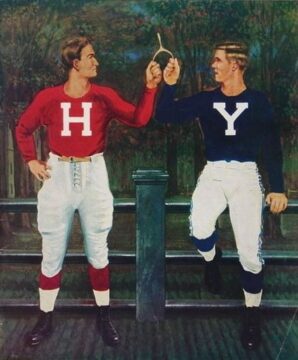 This week marks one year since Affirmative Action was repealed by the Supreme Court. The landmark ruling was a watershed moment in how we think of race and social mobility in the United States. But for high schoolers, the crux of the case lies somewhere else entirely.
 Arguably the greatest global health policy failure has been the US Department of Health and Human Services’ (HHS) refusal to promulgate any regulations to first mitigate and then eliminate the healthcare industry’s significant carbon footprint.