by Ed Simon
Now the Lord is that Spirit: and where the Spirit of the Lord is, there is Liberty. —2 Corinthians 3:17
If God does not exist, then everything is permitted. —Attributed to Fyodor Dostoevsky
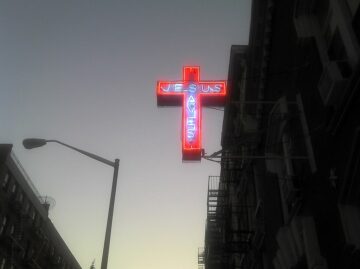
It had been twenty centuries since He’d last walked upon the Earth, and it was in the ninth year of the new reign that He quietly appeared again late afternoon on a cold Christmas Eve, this time at a needle-exchange clinic in Alphabet City. Long greasy black hair in front of a scarred tawny face, hunched over, short, hobbled, and ugly, the destitute man of sorrows quietly and at first without notice went from empty chair to empty chair, sitting silently next to the junkies and the HIV infected for a minute or two. He wasn’t recognizable; He barely looked like all of those Pietas and nativity scenes and Crucifixions affixing the walls of the Met and the Cloisters. And yet, His people slowly recognized Him, and soon others began to recognize Him as well. Brows that had furrowed with deep fear for so long that they had seemingly never felt eased, suddenly felt eased. Eyes that had darted nervously, wondering who was an informant, and had scarcely relaxed for almost a decade, suddenly relaxed. Bodies that ached and were cold suddenly felt whole and warm.
He was in the clinic for maybe less than fifteen minutes, but as he headed the few blocks towards Washington Square Park, the cold and huddled masses of citizens, used to food and fuel shortages and the prediction of yet another swirling polar vortex freezing the northern part of the North American land mass, jabbed each other in hungry ribs with angular elbows, and pointed at the man in the soiled purple wind-breaker and the filthy stocking cap who walked those trash-strewn streets.
A young woman who had been homeless for the past two years, her siblings long since sent by bus to one of the black sites near the border, and herself only managing to survive by purchasing forged citizenship papers for close to three weeks under-the-table pay, and a few hours of her dignity, felt tears in her own brown eyes when she looked into His brown eyes. The gold-plated rosaries that were the last relic of her parents’ love, before they were ostensibly bussed back to Ecuador after they were seized in the middle of the night, seemed warmed by an internal heat as she closed her hand around them in her pocket. Read more »

 Last Saturday was the 20th anniversary of the day on which Judge John Jones III handed down


 If poets are to take Imlac’s advice – and I’m not necessarily sure they should – then the proper season for doing so must be winter. No streaks of the tulip to distract us, and the verdure of the forest has been restricted to a very limited palette. Then the snow comes, and the world becomes a suggestion of something hidden, accessible only to memory or anticipation, like a toy under wrapping. Perhaps “general properties and large appearances” are accessible to us only as we gradually delete the details of life; we certainly don’t seem to have much access to them directly. This is knowledge by negation; winter is the supreme season for apophatic thinking.
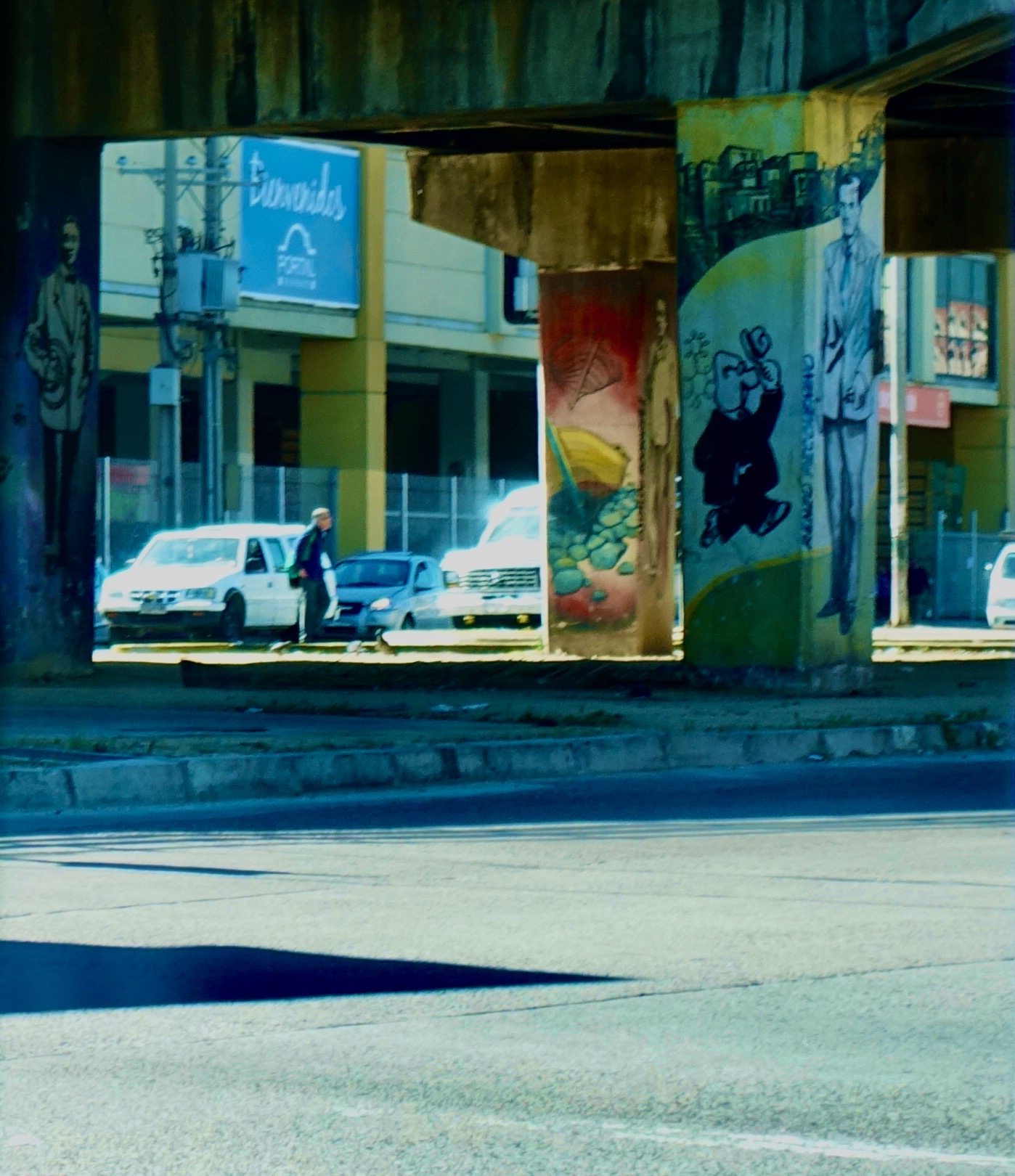 Sughra Raza. Underbelly Color and Shadows. Santiago, Chile, Nov, 2017.

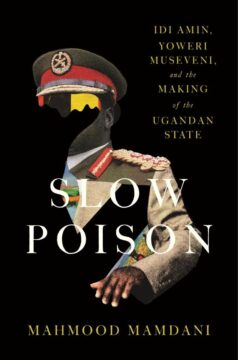 In June 1976, an Air France flight from Tel Aviv to Paris was hijacked by members of the Popular Front for the Liberation of Palestine along with two German radicals, diverted to Entebbe, Uganda, and received with open support from Idi Amin. There, the hijackers separated the passengers—releasing most non-Jewish travelers while holding Israelis and Jews hostage—and demanded the release of Palestinian prisoners. As the deadline approached, Israeli commandos flew secretly to Entebbe, drove toward the terminal in a motorcade disguised as Idi Amin’s own and stormed the building. In ninety minutes, all hijackers and several Ugandan soldiers were killed, 102 hostages were freed, and three died in the crossfire. The only Israeli soldier lost was the mission commander, Yoni Netanyahu.