by Thomas Wells
Like cigarettes, meat and dairy packaging should include no nonsense factual warnings about the negative consequences of one’s consumption choices. Just as with cigarettes, there is a strong case that exercising one’s sovereign right to free choice on personal matters requires that people be adequately informed about the significant negative implications of their choices by someone other than the manufacturer that wants them to buy the product. In this case the significant consequences concern one’s ethical character rather than prudence (safe-guarding one’s health), but the principle is the same.
I envisage ethical warning labels like this:
This chicken’s beak was cut off, causing it intense pain until its death
and
This cow’s babies were taken away and killed to keep it producing milk.
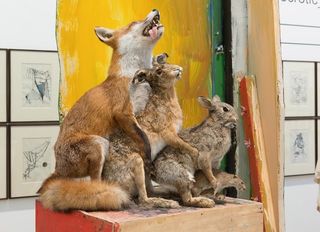
Like cigarette packaging in some countries the ethical warnings might include full colour pictures of the living conditions of the animals your food comes from. Pictures like this:

Servers of cooked animal products from lowly hot-dog stands to fancy restaurants would have to include these ethical warnings prominently on their menus.
The labels could be graded to reflect the conditions under which the source animals lived and died. That would allow better – but more expensive – standards of animal welfare to be recognised and encouraged.
It seems to me that such ethical warning labels are not only permissible in a free society; they are actually required by the liberal conception of freedom. A liberal society is defined by its respect for free choice in the private personal domain. What is not illegal is permitted. And what is made illegal should only be behaviour that harms others, rather than merely offending them by going against their private moral beliefs. In a liberal society, people are free to decide for themselves whether to do things that others strongly disapprove of, such as following ‘weird’ religions, or engaging in unorthodox sexual practices, or eating meat.