by Matt McKenna
Welcome, dinosaurs, to the pantheon of horror film monsters including zombies, sharks, and aliens that have been subjected to the sci-fi trope of genetic-engineering-gone-too-far. To be fair, it's hard to blame directors of horror sequels for invoking this narrative cliché–how else are they expected to make their follow-up films interesting? Must they be forced to produce another movie in which the exact same monster plunks around and kills yet more people in precisely the same fashion as it did in the original? Of course not. Sequels have to be spiced up somehow, and the best way to do that is to make the scary monster scarier. And to make a scary monster scarier, a director has but two options: either add more scary monsters (e.g. there is one alien in Alien, but there are many aliens in its sequel) or dial up the intelligence of the scary monster (e.g. the shark is a simple killing machine in Jaws, but it becomes emotionally complex and vindictive by Jaws IV). Genetic engineering comes in as the convenient means by which one of these methods is enacted. It was therefore only a matter of time before Hollywood created a blockbuster film about scientists creating a gifted and talented dinosaur rampaging about eating people. Jurassic World is that film, it's not bad, and it's also a strikingly good metaphor for the current state of the World Wide Web.
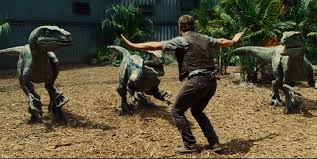
In Jurassic World, the dinosaur-filled theme park of the first film in the franchise has reopened after having miraculously recovered from the disaster that occurred decades prior. To no one's surprise, history repeats itself when a dinosaur escapes and eats a slew of park guests. However, this escaped dinosaur isn't just any old dinosaur–it's a genetically modified ultra-huge and hyper-smart murder monster. As expected, the second and third act of the movie consists mainly of the human characters yelling “run” and “go” and really just a lot of yelling in general as CG dinosaurs wriggle around and eat things.