by Paul North
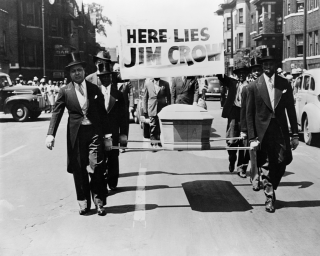
We're used to thinking of the past as something that already happened. We say it's over, finished. We've moved on. Some go further and say that the past itself has moved…out of reach. It is over and done with, it holds no claim on us, it has not only stopped happening but also no longer has effects. As naïve as this seems, there are reasons to take this view. What do Napoleon or the Warring States period in China have to do with shopping malls and the global poverty level? Which parts of the past influence us and which are truly out of date? A good example of the "over and done with" theory of the past is old technology. Is that a clay tablet for sale in my office supply store? This evidence can be used to argue for a strong discontinuity with the past.
The same evidence, the reed stylus for making wedge-shaped impressions in a clay tablet, can be used to show a strong continuity with the past. Some would point out the obvious similarities between 300-year old stylus and ballpoint pen, for instance, and perhaps a little more surprisingly, but not much, some will note the screen-like nature of the clay tablet. Those who see this think that the past, though completed, nevertheless has influence on our present. Some believe that the US Constitution fixed the standards for high-level political issues, and these very standards—freedom of assembly, the right to bear arms, freedom of speech, among others—persist, despite multiple problems of interpretation, and despite the way language changes and forms of living and frames of reference change. The past happened. It is done and closed for business. Our present reenacts—in perpetuity—matters settled long ago.
In perpetuity—this is just the point. Many also think the past, though fixed and formed and unchanging, influences not only the present but also the future. This view is shared by evangelicals and tech junkies alike. The belief that in the deepest past God fixed a date for salvation is close cousin to the belief that in the recent past the invention of the computer fixed the course of progress. These beliefs, despite the obvious differences, have a similar view of the past. Past events, finished, final, and certain as they are, nonetheless shaped future events.