
by Leanne Ogasawara

1. The philosopher and the translator
It was probably the most interesting translation job I ever had. Hired directly by the philosopher himself, my task was to translate into English a series of talks and papers he would be delivering in the US and Europe in the coming year. Philosophy being what I studied as an undergraduate, I had high hopes for the job. But my Japanese philosopher quickly became frustrated with me.
Leanne-san, is it possible for you to forget Descartes while you translate my papers? He wrote superciliously in a style of Japanese designed to be condescending beyond belief.
Well, this took me by surprise! Was it possible that I was guilty of an unconscious Cartesianism? Surely, he must be joking; for had I not studied at the feet of the great Heidegger scholar, Hubert Dreyfus, who had made it his mission to demolish Descartes in front of our very eyes –before turning to Heidegger? In all my philosophy classes, in fact, Descartes (always referred to as “the father of modern philosophy”) came up again and again–mainly in the form of other philosophers’ reactions to some aspect of his work.
So much so, that sometimes I think my understanding of Descartes is itself a rejection of Descartes.
And so, I informed my philosopher that not only had I forgotten Descartes long ago, but that I had no plans to ever remember him again.
He was not convinced and pressed his point. Read more »
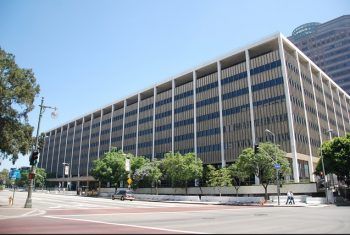
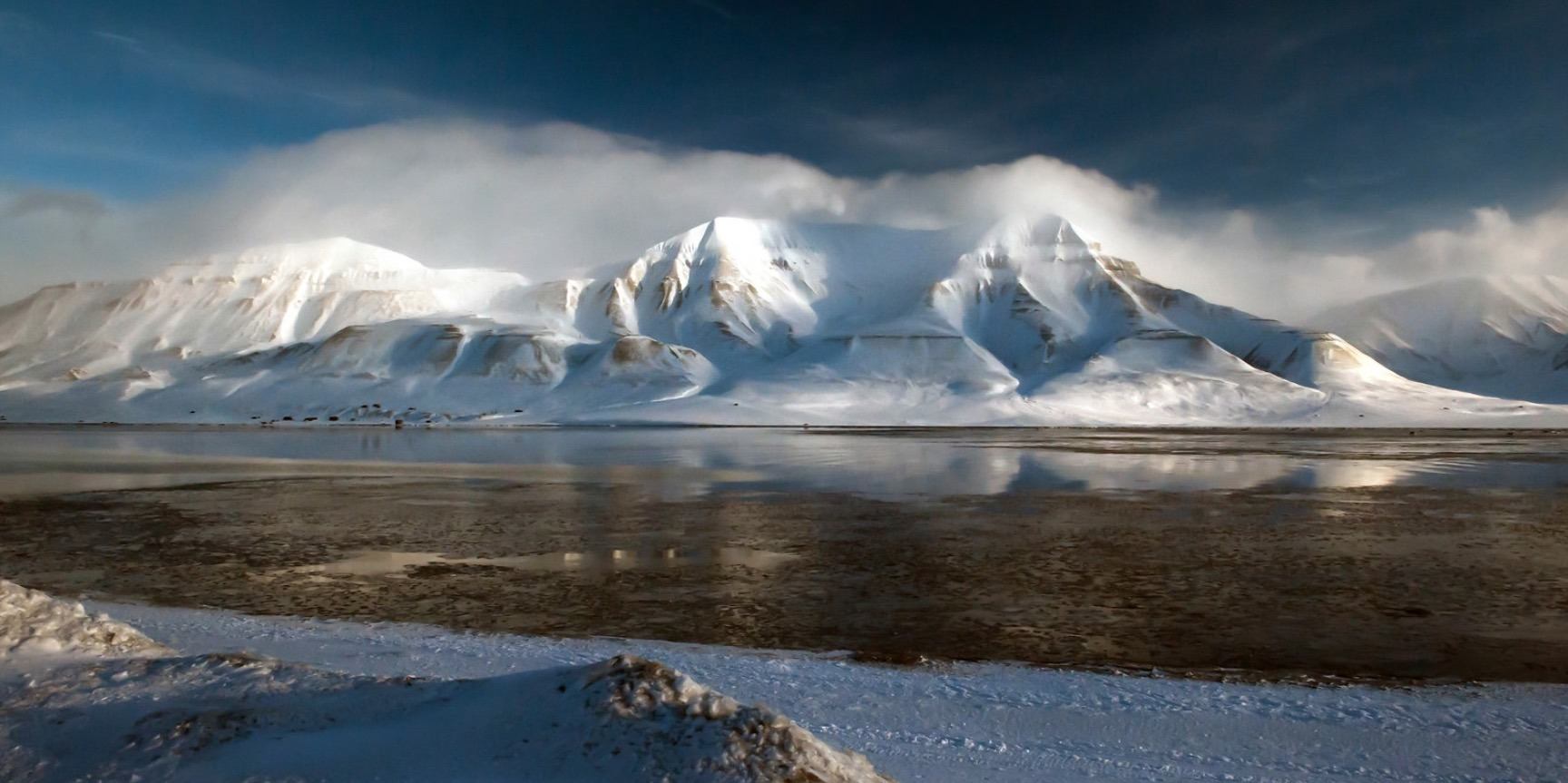 This is Longyearbyen, Svalbard, Norway, eight hundred miles from the North Pole. Our destination, across the island, is a Russian settlement called Barentsburg.
 A.S.: Liesl, I love the part in your story where a pack of kids is playing “Murder in the Dark” and the young narrator’s crush, who plays the part of the killer, draws near her in the dark yard: “I didn’t try to back away, I thought maybe he was going to kiss me, but then he killed me which was so predictable.”
 Now in this damp, stiff swollen fingers, mine, once slender, of gossamer touch, which pierced skin with steel, silk, molded spheres, to be kicked by heroes, turned warriors, turned champions, turned angels in distant lands, on green fields and roaring theaters of fierce contest of fury and cheer. Yet I am not there, at the game, but I am present, in every single game. They don’t know do they, that without me, the game would not be, that without me, they, howling with joy, howling in expectant yowls and cheers awash in victorious and defeated tears, and beer, this ritualistic collective catharsis, all of this, without me, would not happen, would not be. This story. Where am I in it? What is history but unspeakable violence, erasure and invisibility, spat and polished into and put a sheen upon, to create a mirror for those who look. Yes, a mirror, after all that effort to put a spin on it, we can’t get away can we from ourselves? Won’t we all in trying to cross drown in our collective grief? It is I, bobbing in steel on these shores, not allowed in, who’s fingers bloodied by a thousand pierces, who’s eyes blinded by constant attention who brings them this. These intricate delicate, fine, exquisite fingers, this attentive keen sight, this laboring, I bring them this, the very thing they claim as their soul a distilled meaning and morphing to something sublime. I who they bar from entering. I, who has been left un-reading, unread, now thirsty, hungry, suffocating. I who makes all of this. I who am their constant dread. Left for dead. But I am here, here, off shore, there in that field, in that theater, amidst the squeals of joy. No, the game does not happen without me. And now, hidden here, bobbing, stealing away in steel, floating, lurching on waves upon waves, broken away from that bondage of needles and stretching skin for a perfect sphere for kicking, I am here. A prisoner of contained fates. The Adriatic laps outside: the smell of salt, octopus, fir, citrus and jasmine presents itself in the way of salvation in the way of pain, unforgettable almost impossible to conjure in language, in memory, how to give words to the scent of lavender and black pine and Crni bor. Or those left behind. Equally uncontained perfumed keys unlocking the mind. No, the game doesn’t happen without the likes of me. But I am suffocating now, I am contained here in a coffin of steel, upon the sea, unwanted, unwelcomed, unseen, listening to the cheering roar of a crowd ecstatic as some adored gladiator whips it into net—that sphere of skin I have sewn. The game, I cannot enter, does not happen without me.
 community, which he found, and a decade later founded the Second Vermont Republic, which advocated Vermont secession from the USA to become an independent state, which it had been from 1777 to 1791. Time magazine named the Second Vermont Republic as one of the “Top 10 Aspiring Nations” in the world as recently as 2011.
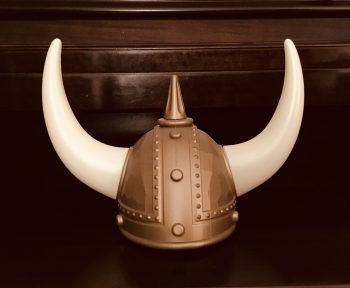
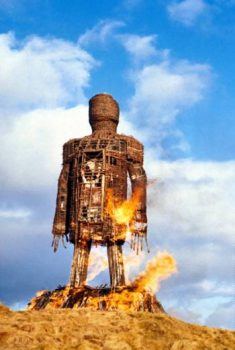
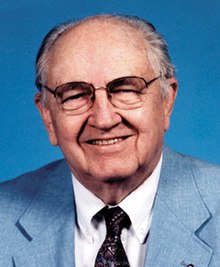
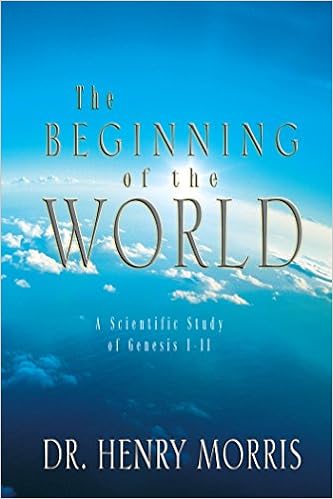 All this is spelt out in Morris’s 1977 book, The Beginning of the World, most recently reprinted in 2005 (in Morris’s lifetime, and presumably with his approval), and available from Amazon as a paperback or on Kindle.
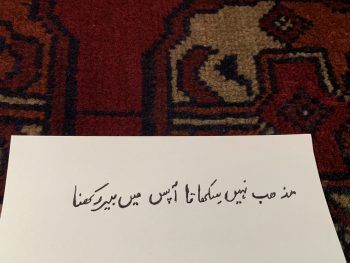 Less than a month ago, the Indian Air Force conducted airstrikes inside Pakistan. The last attack of this kind took place in 1971, before I was born, and though tensions between the two countries have never ceased, even the family’s fragmented recollections of blackouts, travel restrictions and patriotic songs on the radio had become a distant memory for me until the moment I found myself stranded in Karachi due to airspace closure and witnessed not just military crossfire but that of the media of the two countries. The outbursts on news channels, as well as social media were interspersed with slogans and songs. One Indian patriotic song in particular, a ghazal by Allama Iqbal who is known as Pakistan’s national poet, sung not only in the voices of India’s celebrity singers and sweet-faced schoolchildren, but also adapted to their military march tune, caught my attention.
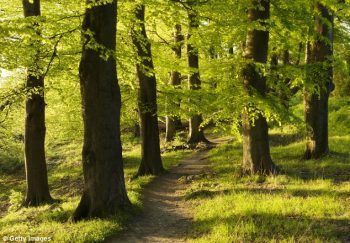 In this world of divisive and indeed, not infrequently, ugly politics, particularly in the United States under the present administration, and the British pursuit of an exit from the European Union, any opportunity for finding relief from the ‘angst’ of day to day politics is to be welcomed. The reading of Peter Wohlleben’s The Mysteries of Nature Trilogy: The Hidden Life of Trees, The Secret Network of Nature and The Inner Life of Animals provided me with such an opportunity.