by Shawn Crawford

In 1904 America, of boys between the ages of ten to fifteen, 26% worked full time away from home. In the textile mills of New England, children began working at age six for twelve to sixteen hour shifts. When dozing off, cold water would be thrown on them. Ingrates. At the turn of the twentieth century, 70% of children working as migrant pickers in Colorado’s fields had become deformed from the labor.
Given the horrendous conditions, one would think child labor laws sped their way through congress at the beginning of the twentieth century. Instead, a decades-long battle saw legislators bellowing for the rights of business owners and decrying the laziness of the American worker. Chief among these was Weldon Heyburn, an Idaho senator and Theodore Roosevelt’s nemesis. Heyburn thought anyone, including children, that didn’t work from sunup to sundown an idler. And the rights of the business owner had to remain sacred; if someone wanted to hire a fetus to dig coal then by god the government had to protect that right. One can only assume today’s health-care debate would have caused Heyburn’s head to explode.
But after the hysteria and grandstanding and rhetoric died down, sensible child labor laws became established, including the complete banning of children from certain occupations. The pace of industrialization simply outran most people’s understanding of what children could safely do, and as always certain ruthless businesses were happy to exploit the situation. Besides which, the idea of childhood as a distinct time of development separate from adulthood remained a new and contentious idea. For years, children existed as miniature adults, and the faster they took up the work and learned the realities of the adult world the better. Both culture and science would come to understand children as different from adults on all levels: emotionally, physically, and psychologically.
But as we usually do, Americans have forgotten their past and proved incapable of applying former lessons to new contexts. Because while we protect children from labor and most other unpleasant adult responsibilities, we have no problem unleashing them to run free in all the perks of adulthood. Read more »
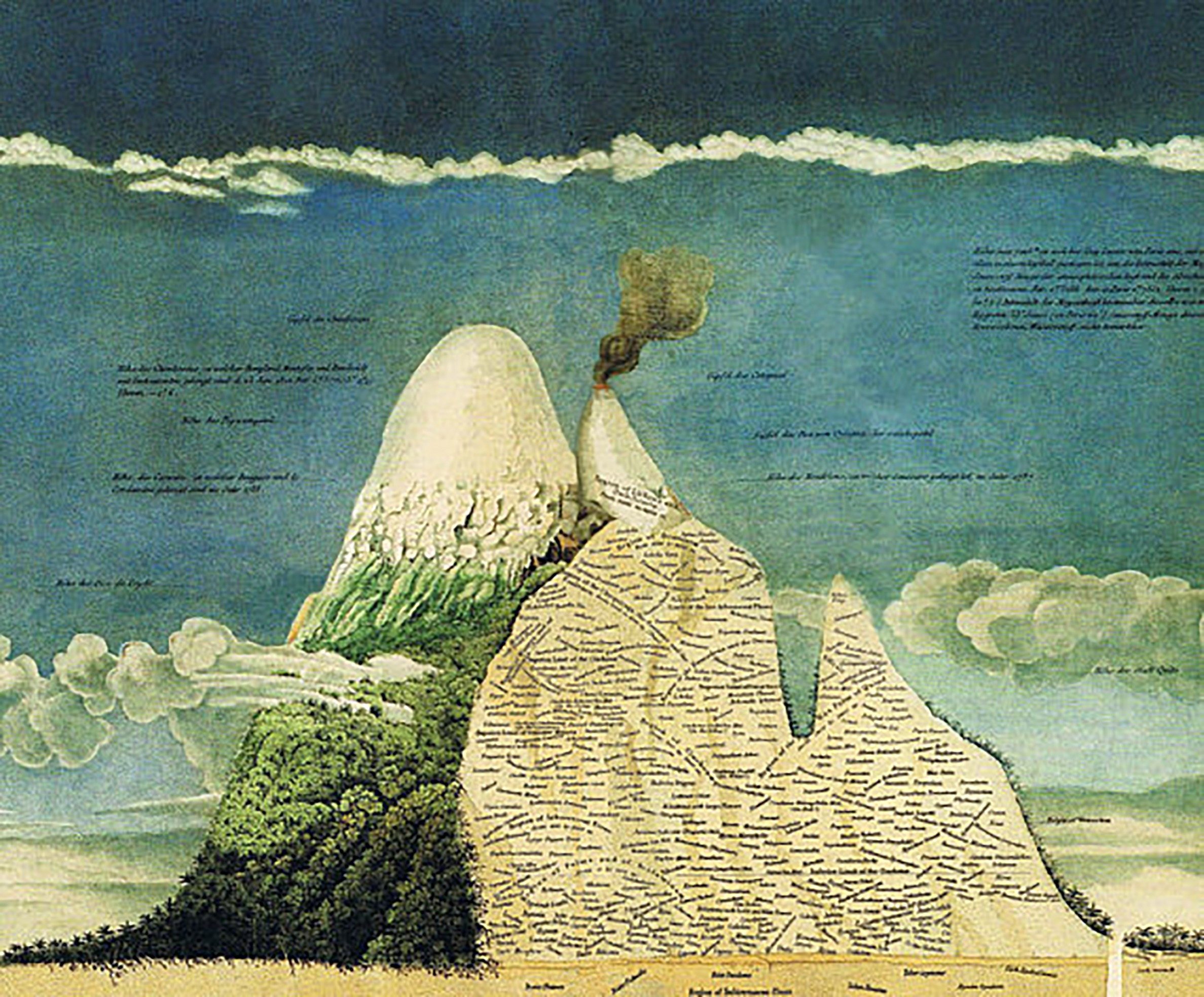
 Soon after President Obama moved into the White House, Mrs. Obama set up her vegetable garden. She planted tubers like carrots and turnips, leafy veggies such as spinach and kale, and herbs—thyme, sage, mint, and whatnot. But she did not plant beets. Why? I was quite perplexed and tried to find out the reason. I called the White House but did not get a satisfactory answer. “What the hell are you talking about?” said someone who picked up the phone. Maybe her children do not like them, said my child who was not overly fond of the vegetable. Not like beets? How is that possible? Of all the tuberous veggies available to man, the beet in my view is one of the best and the most poetic.


 Recently, I was waiting to board an American Airlines flight from Boston to Rochester, when, along with ten of my fellow passengers, I was summoned to the desk in front of the boarding gate. There we learned, by listening intently to what the AA gate agent told the first passenger in line, that we were being bumped from the flight, that AA would try to find alternative flights for us, and that we would each receive a voucher worth $250, redeemable on AA bookings, valid for one year.
 Wine writers often observe that wine lovers today live in a world of unprecedented quality. What they usually mean by such claims is that advances in wine science and technology have made it possible to mass produce clean, consistent, flavorful wines at reasonable prices without the shoddy production practices and sharp bottle or vintage variations of the past.



 r a train and someone passed through begging for change. I’ve lived in New York City long enough that I don’t just start taking my wallet out and going through it in crowded public spaces, but beyond that, I don’t have change. I normally don’t carry cash. If I have cash on me its for one of two reasons, either someone has paid me back for something in cash (which in these days of Venmo is increasingly unlikely) or I have a hair or nail appointment where they like their tips in cash. So even if I have cash, it’s bigger bills and certainly no coins. And I’m sure I’m not unusual. I pay for things with credit cards. I pay other people using Apple Pay or Venmo. I mentioned this thought to someone who told me that they had seen someone begging in New York with details of their Venmo account. On the one hand, there seems to be a certain chutzpah to that, after all, if you have a bank account to receive the money in and some kind of smart phone to access it, is your situation as dire as you’re making out? On the other hand, it’s pretty smart. Of course, there are serious privacy issues involved in giving money to a random stranger through an app like Venmo, it’s not private, so I probably wouldn’t do that either, but it’s an interesting idea, if it could be made more anonymous and secure. Apparently, at least in China,