by Nickolas Calabrese
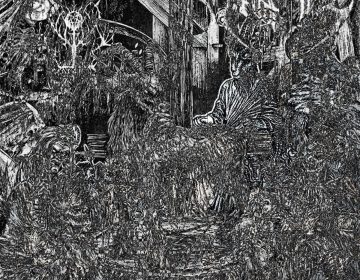 I don’t know anything about music. I make art, and like many artists I listen to music while working. Nearly every kind of music, but mostly metal for those time-to-get-serious moments. Atmospheric black metal with little discernible speech tends to work best, because it provides a setting such that one can become lost in the droning distortions when working on something. The music I like to hear is that which Kant would endorse as sublime – enormous walls of sound that result in a distractedness where one can go undeterred by outside forces. Of course an fMRI could show what is happening in the brain, what psychically galvanizes me while I listen to music in those moments, but I’m less interested in what’s happening to me as much as what’s happening to it: what happens to artworks when produced to a soundtrack?
Stepping back for a moment, it should be obvious that people of all stripes use music as a tool. Not just those who play instruments or sing or generally make music, but anyone who listens to music. It has an instrumental value in human culture. For instance, when the organ roars over the congregation the parishioners prepare to chant hymns to God. Or when you’re about to do a hard workout and you blast 50 Cent to get in the zone. Perhaps you want to set the mood for making love—easy, Marvin Gaye. When studying, many turn to classical because of it’s melodic flowering as ambient background noise. It is uncontroversial to say that many of us at some point or another use music as an instrument to hype us on what we are actually trying to achieve in that moment. Read more »

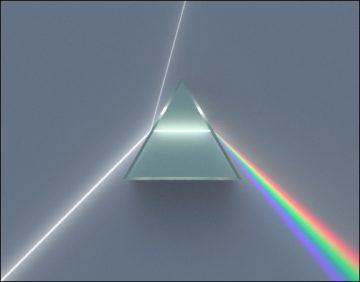
 On a whim I decided to visit the gently sloping hill where the universe announced itself in 1964, not with a bang but with ambient, annoying noise. It’s the static you saw when you turned on your TV, or at least used to back when analog TVs were a thing. But today there was no noise except for the occasional chirping of birds, the lone car driving off in the distance and a gentle breeze flowing through the trees. A recent trace of rain had brought verdant green colors to the grass. A deer darted into the undergrowth in the distance.
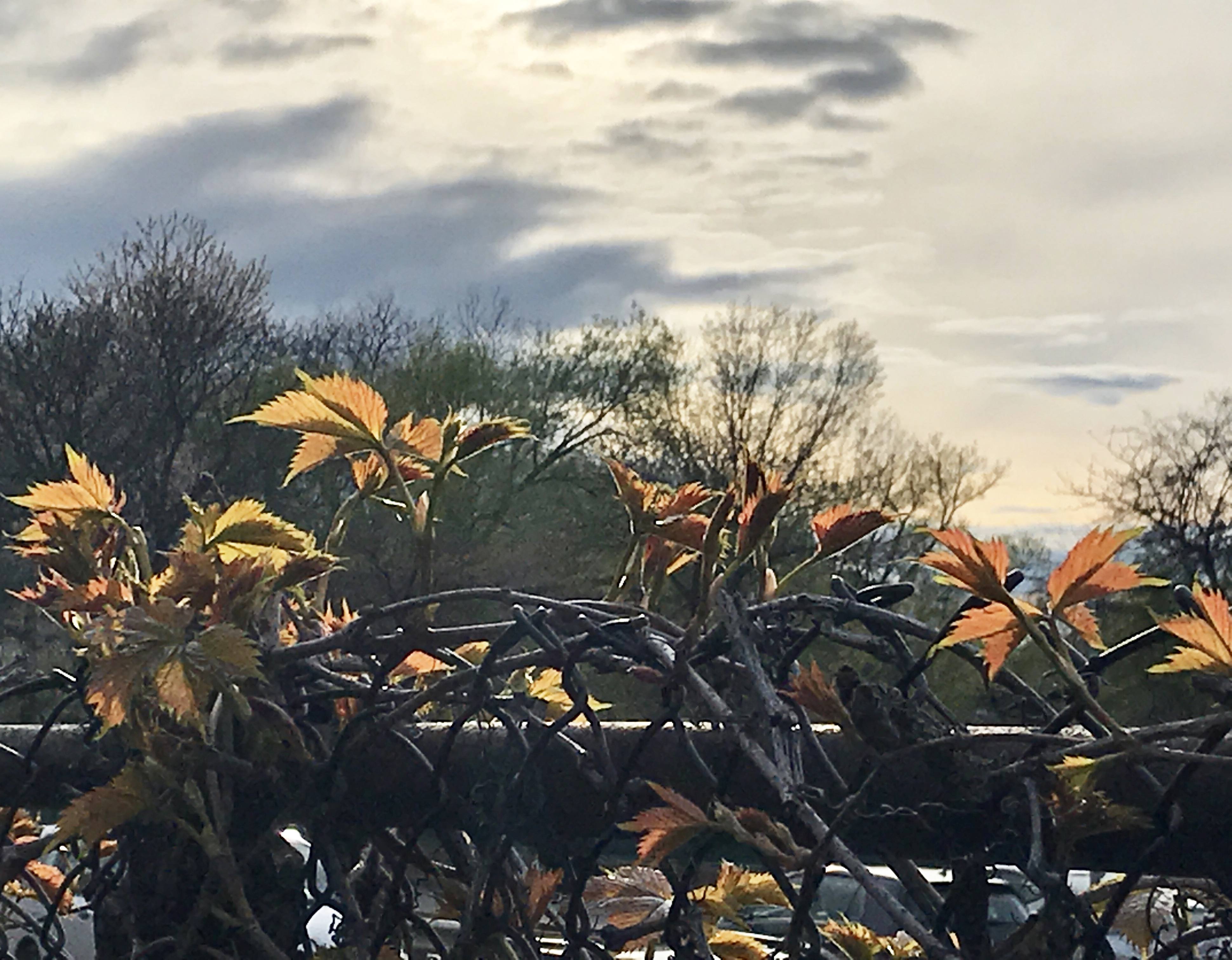 Sughra Raza. Enlightened, April, 2019.
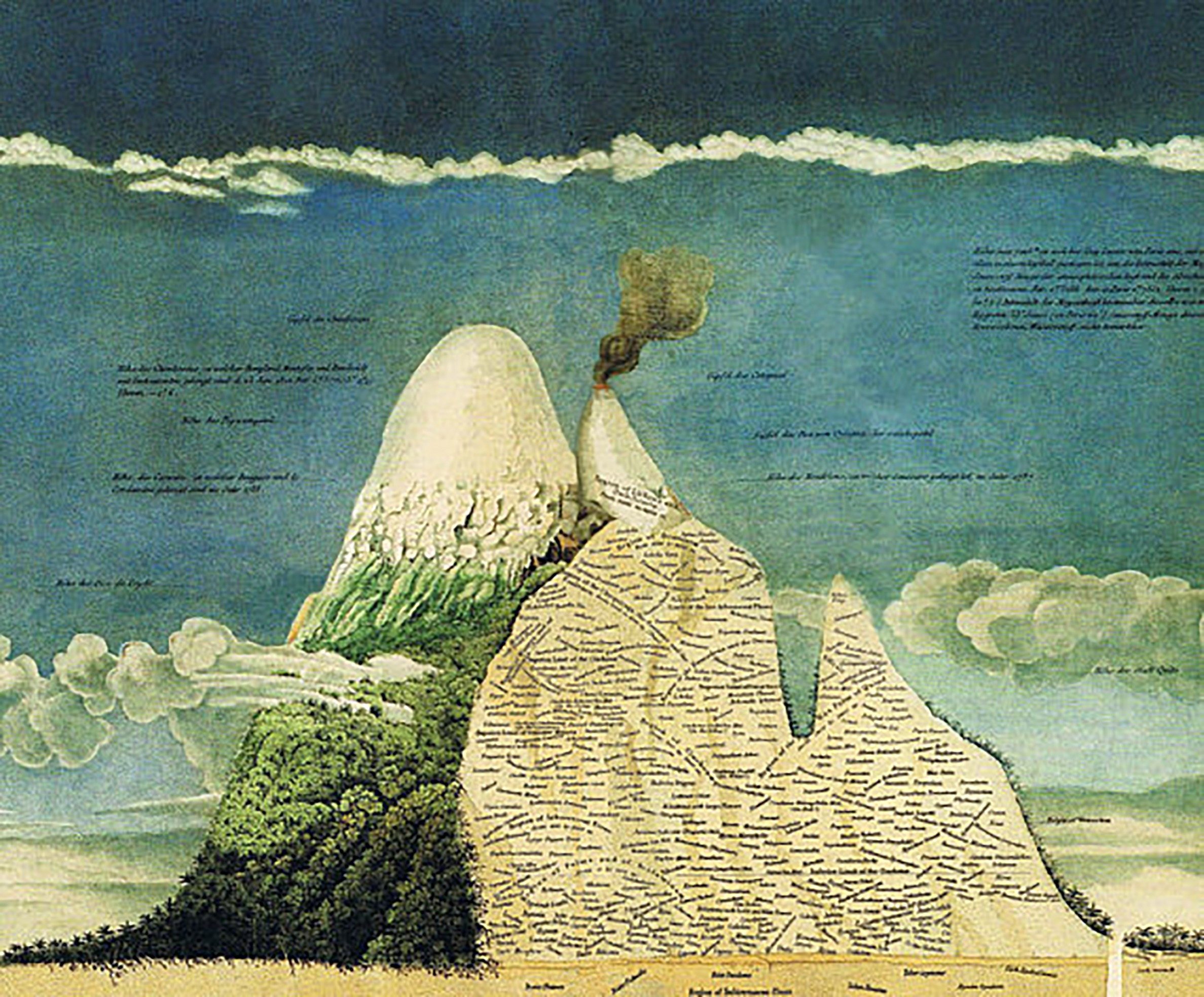
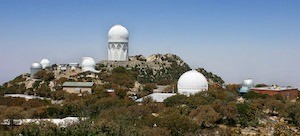 When I returned to school after my first marriage ended, I had to decide what to study. I’d been working toward a degree in history when I dropped out of a community college to get married, but I’d always been drawn to astronomy. One of the reasons I chose astronomy over history, or any other option, was that I felt that astronomy contained many of the other things I was interested in. To put it another way, I thought that if I didn’t study astronomy, I would regret it, but if I did study it, I wouldn’t necessarily lose touch with the other things I was interested in because they were all part of astronomy, in one way or another.


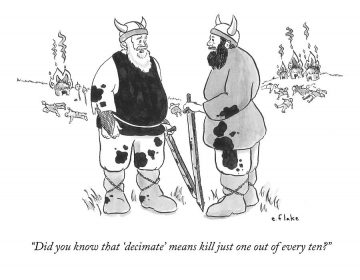 If you took Latin, then you probably have a larger vocabulary than the average bear, and you are more likely to have strong opinions on some words you vaguely remember based on Latin roots (cognates). For example, folks are more commonly using “decimate” to mean destroy or devastate, and it annoys the living materia feculis out of me. Decimate originally meant to kill every 10th person, based on the Latin word for 10 (decem), which is so oddly and satisfyingly specific. “Devastate” and “destroy” are already well known and used, so why do they need another alliterative ally in little weirdo “decimate”?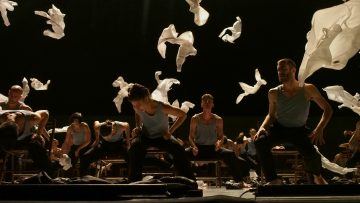

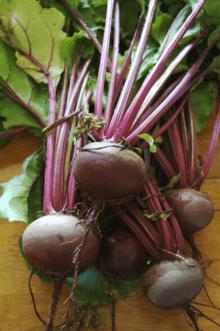 Soon after President Obama moved into the White House, Mrs. Obama set up her vegetable garden. She planted tubers like carrots and turnips, leafy veggies such as spinach and kale, and herbs—thyme, sage, mint, and whatnot. But she did not plant beets. Why? I was quite perplexed and tried to find out the reason. I called the White House but did not get a satisfactory answer. “What the hell are you talking about?” said someone who picked up the phone. Maybe her children do not like them, said my child who was not overly fond of the vegetable. Not like beets? How is that possible? Of all the tuberous veggies available to man, the beet in my view is one of the best and the most poetic.