
by Gerald Dworkin
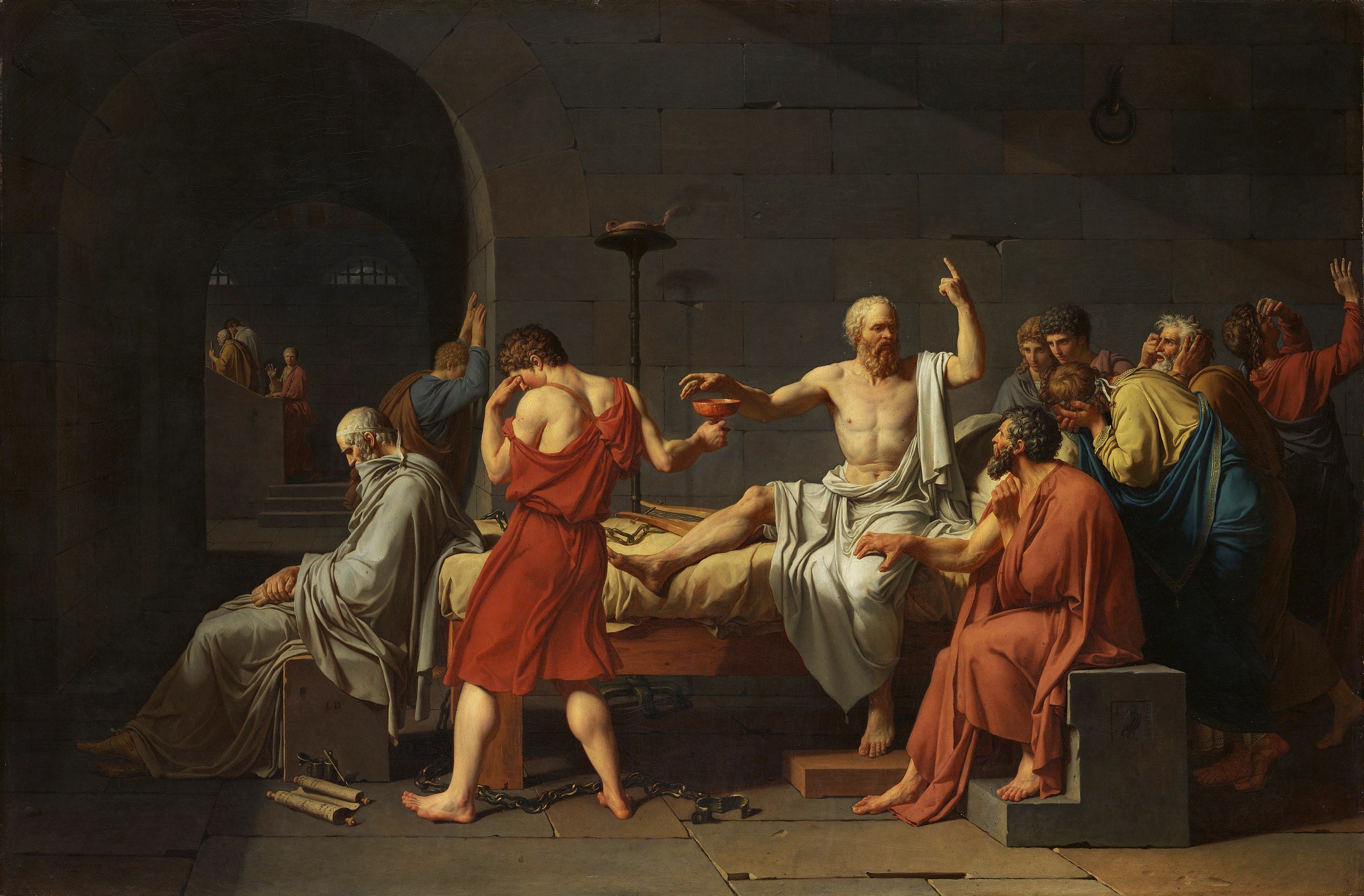
In 1998 I was a co-author of a book called Euthanasia and Physician-assisted Suicide: For and Against. I was for; Sissela Bok was against. The point to note here is that the title used the concepts of euthanasia and assisted suicide. Euthanasia is no longer invoked by proponents of medically-assisted dying (hereafter abbreviated as AD) as all such measures explicitly prohibit the physician from administering the drug which causes death. Assisted-suicide is currently banned from their vocabulary by all groups advocating for AD.
I have been an advocate, and an activist, for passing legislation implementing AD in California (successful) and Illinois (on the political agenda). But I have some problems with the idea that AD should be excluded from the category of suicide. This is my topic today.
Advocates of AD have two reasons for their linguistic avoidance.
The first is a purely tactical matter. We are trying to get a social policy enacted and many people who might be won over have personal and religious objections to the very idea of suicide. They may believe that our lives belong to God. They may believe that there is a social stigma attached to suicide no matter how justified, in some cases, it may be. They may feel that the many cases in which suicide is committed by persons who are clearly psychologically disturbed and not capable of making rational decisions will be , mistakenly, extended to what they think are reasonable cases. They may fear that the idea that all suicides are sinful or irrational or cowardly will be applied to their loved ones if they commit suicide.
Since all these, in my view mistaken, attitudes will make it harder to get political support for legalising AD, I see this linguistic choice as a reasonable tactical proposal. Read more »



 The Supreme Court doesn’t play politics.
 Several co-workers, all of whom have Ph.D.s. An old friend who’s a physicist. Scads of family members of both blue and white collar variety. Numerous neighbors. And of course the well dressed, kindly old women who occasionally show up at my door uninvited, pamphlets in hand.


 Johnny spoke softly in a voice just past the threshold of manhood. His smile, mistaken for charm, was longing. I could see the pentimento of the child still in him.

 It does not take long for history to repeat itself. It was only a little over a decade ago that overzealous lending, lax underwriting standards, unrealistic collateral valuations, borrowers not understanding loan terms, an exploding derivative securities market–and a dozen or so other factors–led to a massive crash in the housing market. Today in the United States we have outstanding student loan debt of $1.5
 While Trump’s immigration politics makes international headlines almost every day, the disaster of the European immigration policies rarely becomes international news. A recent exception is the case of Captain Carola Rackete, and it is a telling one. With all the potential for a good story, Rackete’s journey is both standing for and at the same time distracting from the actual complex mess of European immigration politics.
 When the flight delay is announced, we ask what it is we have done wrong. From airlines and the world at large, the answer is rarely forthcoming, so we must look inward instead.