by R. Passov
Recently, I watched a YouTube of a talk given by Jennifer Doudna. This past May, in 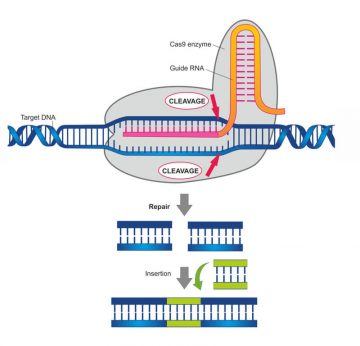 front of some her UC Berkeley colleagues, Doudna shared, “a story … about some research … that led in an unexpected direction … ” producing “ … some science that has profound implications going forward…but also makes us really think about what it means to be human and what it means to have the power to manipulate the very code of life …”
It all started, Doudna explains, when she got a call from someone at Cal who said you don’t know me but you’re doing the type of research that’s connected to my work. Her colleague had noticed that “ …many types of bacteria in their chromosomes have a sequence of DNA that is a storage site for sequences that come from viruses that infect those cells.”
“These are the CRISPERS …” a record of the DNA from all prior infections, “… a genetic vaccination card for bacteria.”
Doudna is generous with praise, never missing an opportunity to share credit. One lucky lab member collected soil samples, then sequenced DNA from bugs in those samples looking for alternative CRISPER pathways. The result uncovered different flavors of the CRISPER-Cas immune system. Which got Doudna to thinking “… about the difference in the type of CRISPER systems in nature…” Read more »
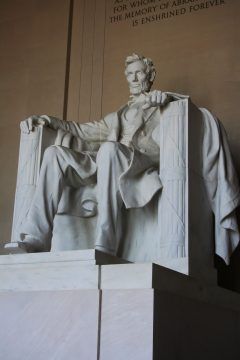 He is an enigma. He sits up there in his marble chair, set in a Greek temple, literally larger than life, and he defies us to understand him.
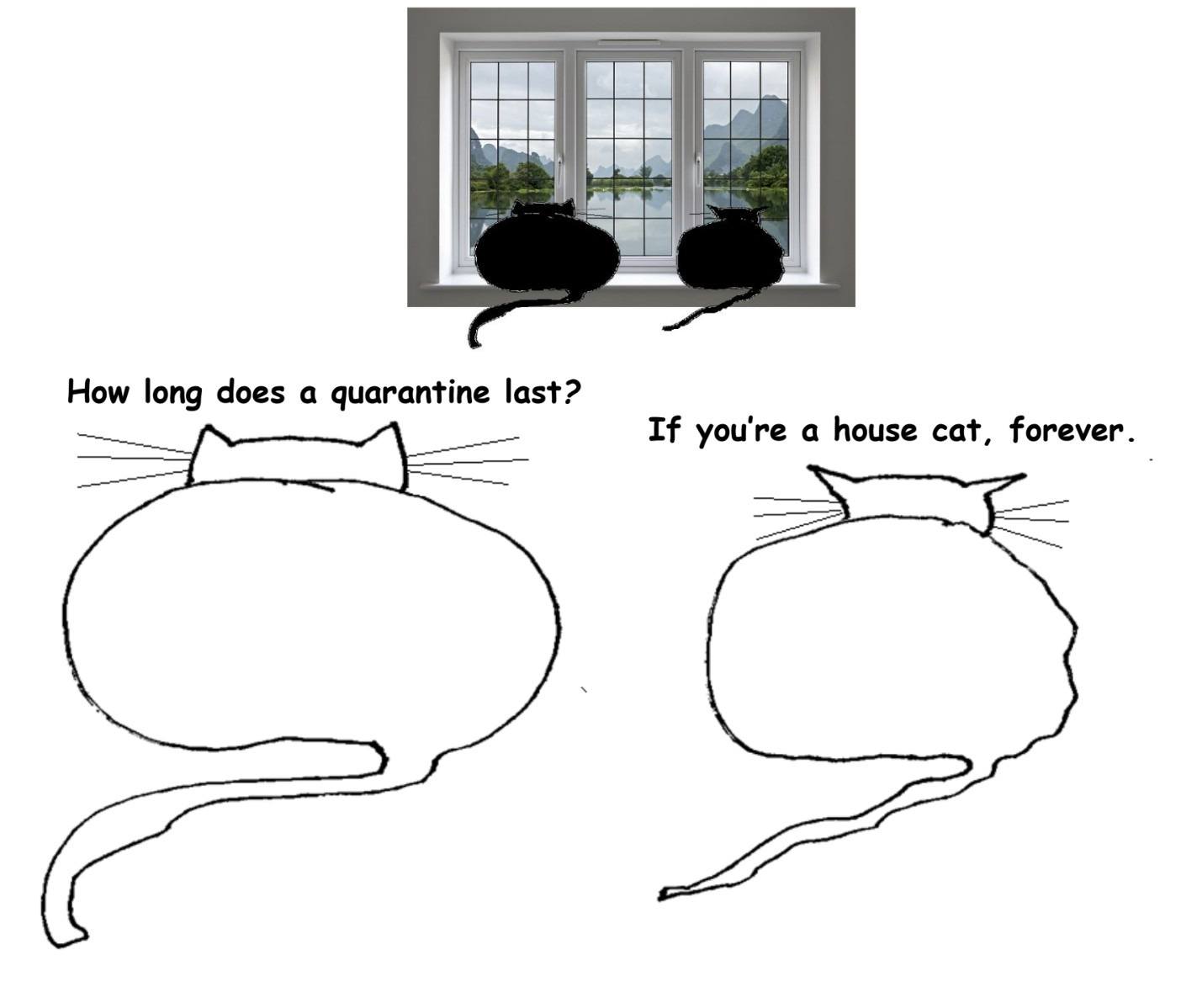

 There should be more.
 So, here’s a game. Try to imagine: “What unbelievable moral achievements might humanity witness a century from now?” Now, discuss.
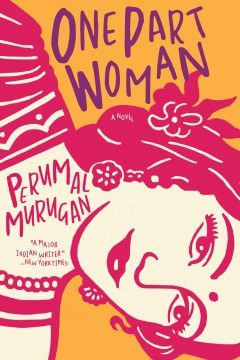 The translated versions from Tamil into English of Perumal Murugan’s two books, One Part Woman and the The Story of A Goat, weave stories of the complex life of the rural people of South India in an engaging and highly readable form.
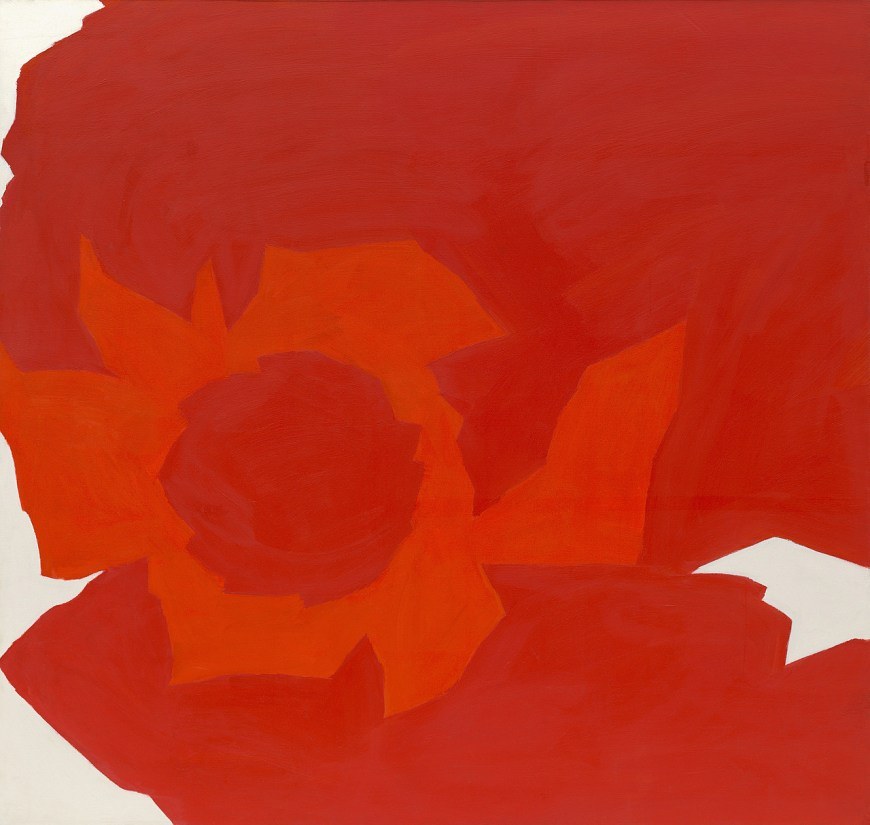 Jack Youngerman. Long March II, 1965.
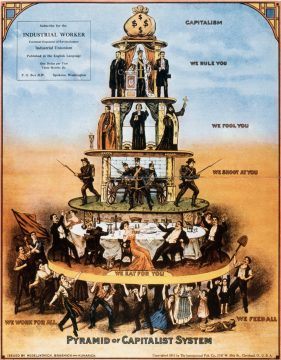 The political philosophy, and more importantly, political practice that took root in the wake of the ‘Age of Revolutions’ (say 1775-1848) was liberalism of various kinds: a commitment to certain principles and practices that eventually came to seem, like any successful ideology, a kind of common sense. With this, however, came a growing sense of dissatisfaction with what it seemed to represent: ‘bourgeois society’. Here is a paradox: at the very point at which the Enlightenment promise of the free society seemed to be coming true, discontent with that promise, or with the way it was being fulfilled, took hold. This was a sense that the modern citizen and subject was somehow still unfree. If this seems at least an aspect of how things stand with us in 2020 it might be worth looking back, for doubts about the liberal project have accompanied it since its inception.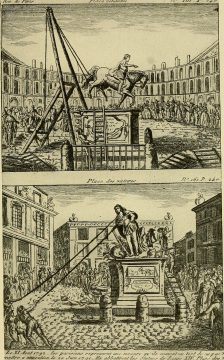
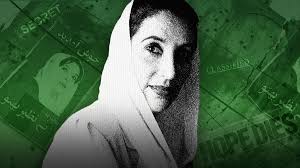
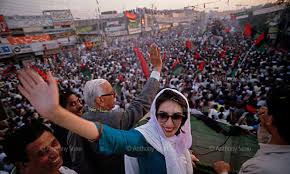 As she returned to her country after eight years of self-imposed exile in Dubai, Benazir reflected in her posthumously-published memoir
 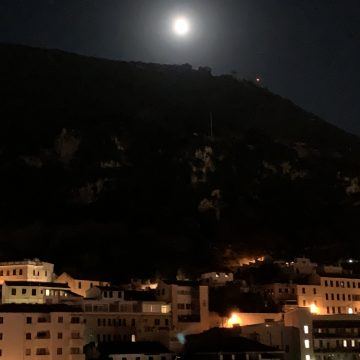 Gibraltar in the background, I pose sideways, wearing a Spanish Chrysanthemum claw in my hair, gitana style, taking a dare from my husband. The photo is from an August afternoon, captured in the sun’s manic glare. My shadow in profile, with the oversized flower behind my ear, mirrors the shape of Gibraltar, Jabl ut Tariq or “Tariq’s rock.” An actual visit to Gibraltar is more than a decade ahead in the future. I would spend years researching the civilization of al Andalus (Muslim Spain, 711-1492) and publish a book about the convivencia of the Abrahamic people before finally setting foot on Gibraltar. “In Cordoba,” I write, “I’m inside the tremor of exile— the primeval, paramount home of poetry” and that “I am drawn to the world of al Andalus because it is a gift of exiles, a celebration of the cusp and of plural identities, the meeting point of three continents and three faiths, where the drama of boundaries and their blurring took place.” At the heart of this pursuit is my own story, one that is illuminated only recently when I see in Gibraltar more facets of my own exile and encounter with borders.

 Most people associate the Cold War with several decades of intense political and economic competition between the United States and Soviet Union. A constant back and forth punctuated by dramatic moments such as the Berlin Airlift, the Berlin Wall, the arms race, the space race, the Bay of Pigs, the Cuban Missile Crisis, Nixon’s visit to China, the Olympic boycotts, “Mr. Gorbachev, tear down this wall!” and eventually the collapse of the Soviet system.