
by Sarah Firisen
 First off, let me just get this out of the way: we share too much data about ourselves knowingly with companies and they collect, use and share even more than most of us are aware of (read through those lengthy privacy notices recently?). And unless you live in Europe with its pretty extensive GDPR rules, or California with its new data privacy laws, odds are, the government isn’t going to do much to regulate that anytime soon. And we all sort of know this, and tell ourselves that it’s the price we have to pay, “The rise of surveillance capitalism over the last two decades went largely unchallenged. ‘Digital’ was fast, we were told, and stragglers would be left behind. It’s not surprising that so many of us rushed to follow the bustling White Rabbit down his tunnel into a promised digital Wonderland where, like Alice, we fell prey to delusion. In Wonderland, we celebrated the new digital services as free, but now we see that the surveillance capitalists behind those services regard us as the free commodity.”
This is all even true of my boyfriend, who deludes himself with the belief that because he’s not on Facebook, Twitter etc., he has some privacy, but doesn’t acknowledge that by having an Amazon account and using Pinterest, he’s already lost that battle. Indeed, he has a mobile phone and an iPad, so he probably would have lost that battle without an Amazon account. When I mention this to him, and tell him what I’m going to be writing about here, he does say something very wise, “why do they send me adverts after I’ve bought it online?”
And this question goes to the heart of what is irritating me today: I may have lost the battle over data privacy, but why is it so hard for these companies to at least do something with my data that benefits me, and them? And so, I come to the Sephora Syndrome. Read more »
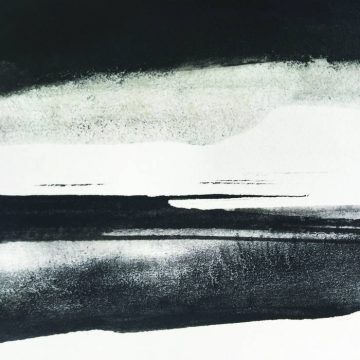 Another not-necessarily-the-best-of-the-year mix, but there do seem to be a number of 2019 releases. Warning: this one’s pretty drony, so don’t be driving or anything. Sequencers next time, I promise! (A few anyway.)
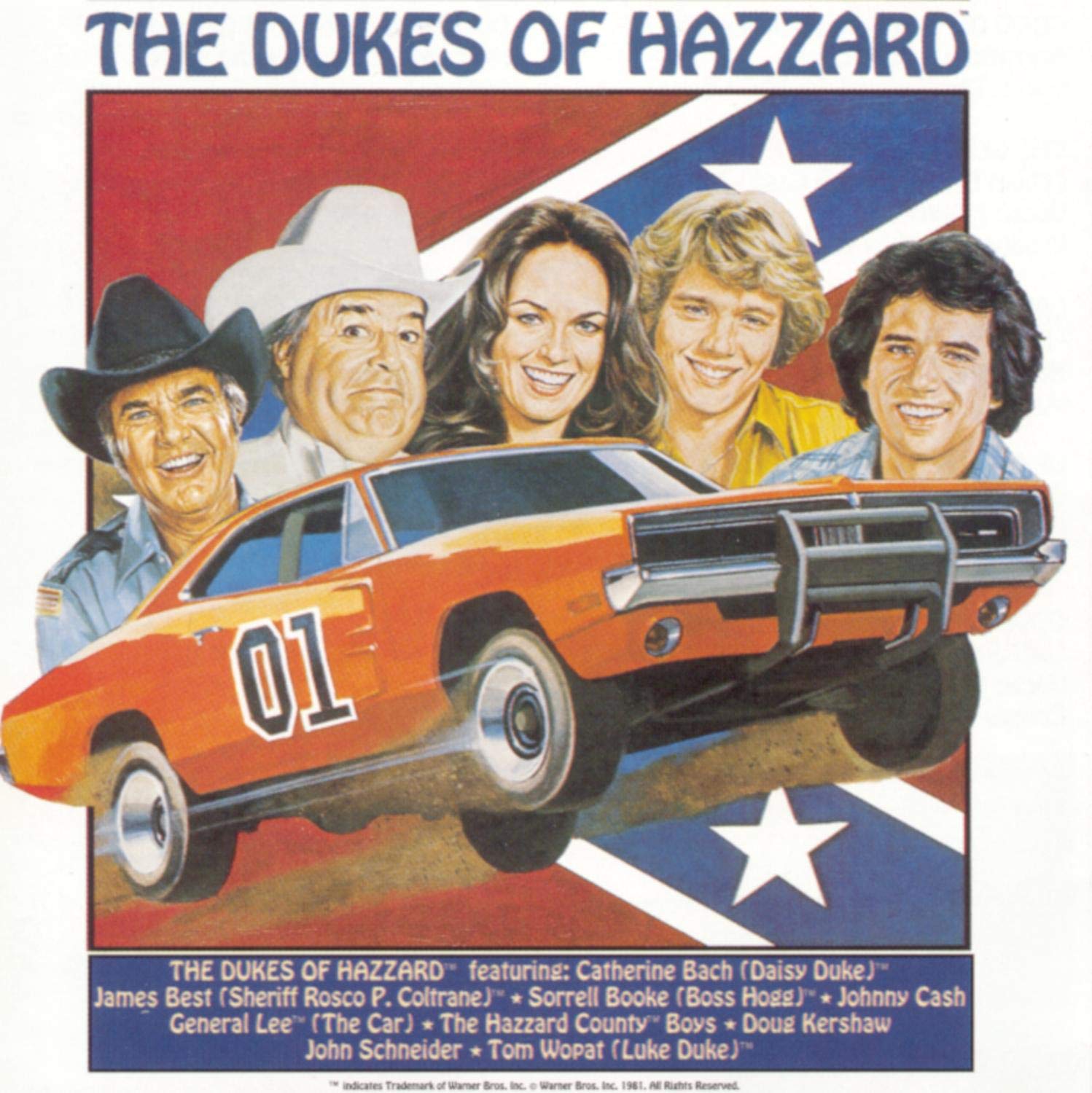 You’ve been an on-again, off-again working band for a decade. During that period there have been numerous breakups and seemingly endless lineup changes. Then, after years of grinding and uncertainty, you finally hit it big in 1975. You earned it.
 At least since Roe v. Wade was decided in 1973 the issue of Conscientious Objection (henceforth CO) has been an important one in the context of Catholic hospitals and women patients. Such hospitals object to the provision of abortions, contraceptives, sterilization, fertility care, and “gender-affirming care” such as hormone treatments and surgeries.


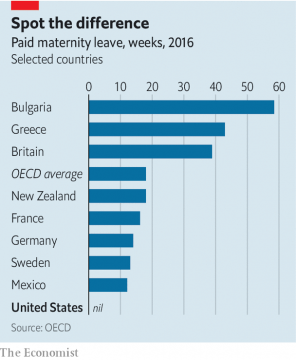 The United States continues to be virtually the
  Sughra Raza. Rorschach on the River Li. Yangshuo, China, January, 2020.
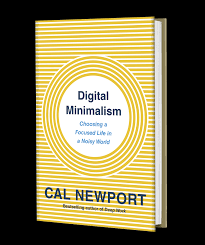 While you might not break into a neighbor’s house to log onto your Facebook account if your internet were down, a case can be made that many of us are victims of at least a moderate behavioral addiction when it comes to our smartphones. At the playground with our kids, we’re on our phones. At dinner with friends, we’re on our phones. In the middle of the night. At the movies. At a concert. At a funeral. (I was recently at a memorial service for my friend’s mother, and someone’s cell phone rang during my friend’s reminiscence.)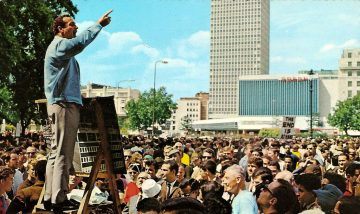
 When Vienna‘s Albertina Museum exhibition of works by Albrecht Dürer ended in January 2020, it seemed quite possible that several of the masterpieces on display might never again be seen by the public, among them The Great Piece of Turf. This may sound like a dire prediction for a fragile work that is routinely exhibited every decade or so, but as the UN announced recently, we may already have passed the tipping point in the race to save our world and ourselves. A decade from now we may be too engaged in the struggle to survive to focus our attention on a small, exquisite watercolor created 500 years ago.

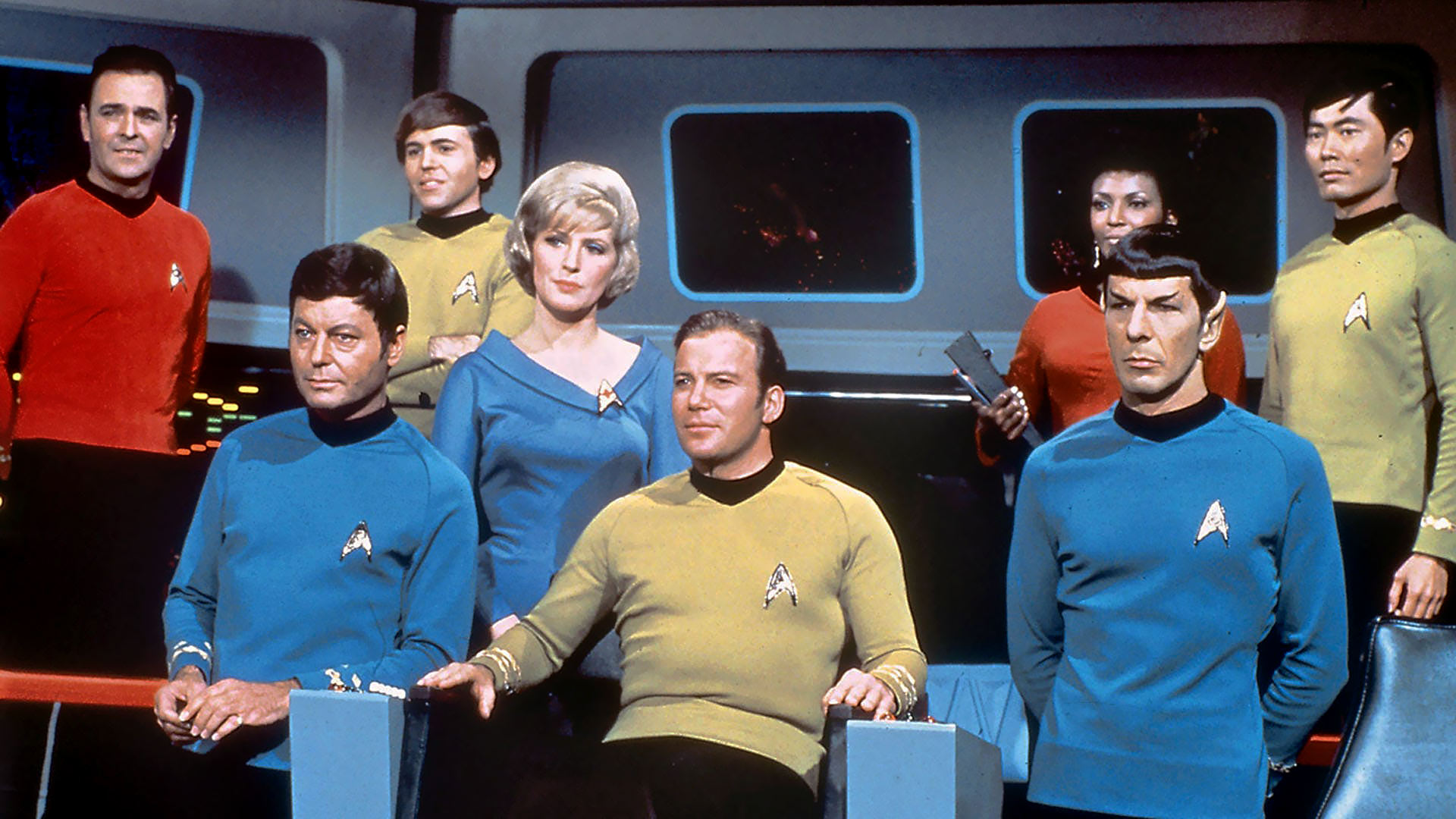 During my late 1970s New York City childhood, repeats of Star Trek aired every weeknight on channel 11, WPIX. The original 79 episodes ran about three times per year, which means that, allowing for the occasional miss, I’d seen each episode about 10 – 12 times before reaching high school.