Jaroslaw Maciejewski, MD, PhD is a Chairman of Translational Hematology and Oncology Research at the Cleveland Clinic Taussig Cancer Institute, and a professor of medicine at Lerner College of Medicine at Case Western Reserve University. He is also Associate Director for Translational Research and Co-Leader, Hematopoietic and Immune Cancer Biology Program, Case Comprehensive Cancer Center. Dr. Maciejewski is recognized for his leadership in finding better treatments and a cure for bone marrow failure diseases.
Azra Raza, author of The First Cell: And the Human Costs of Pursuing Cancer to the Last, oncologist and professor of medicine at Columbia University, and 3QD editor, decided to speak to more than 20 leading cancer investigators and ask each of them the same five questions listed below. She videotaped the interviews and over the next months we will be posting them here one at a time each Monday. Please keep in mind that Azra and the rest of us at 3QD neither endorse nor oppose any of the answers given by the researchers as part of this project. Their views are their own. One can browse all previous interviews here.
1. We were treating acute myeloid leukemia (AML) with 7+3 (7 days of the drug cytosine arabinoside and 3 days of daunomycin) in 1977. We are still doing the same in 2019. What is the best way forward to change it by 2028?
2. There are 3.5 million papers on cancer, 135,000 in 2017 alone. There is a staggering disconnect between great scientific insights and translation to improved therapy. What are we doing wrong?
3. The fact that children respond to the same treatment better than adults seems to suggest that the cancer biology is different and also that the host is different. Since most cancers increase with age, even having good therapy may not matter as the host is decrepit. Solution?
4. You have great knowledge and experience in the field. If you were given limitless resources to plan a cure for cancer, what will you do?
5. Offering patients with advanced stage non-curable cancer, palliative but toxic treatments is a service or disservice in the current therapeutic landscape?
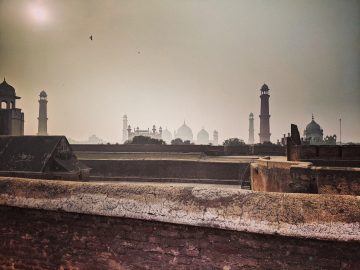 Some months ago, on a sunny Sunday afternoon, I went to my bank’s ATM in the main market close to where I live in the Defence Housing Authority, Lahore’s latest fancy suburb, which is organized and managed by the military.
 The wine community is often accused of being snobby and elitist. The language used to describe wine is one source of this innuendo. Although most people have become accustomed to the fruit descriptors used in wine reviews, when wine writers wax poetic by describing wines as “graphite mixed with pâte de fruit”, even
 I first heard Motörhead in 1988. I was a DJ at
 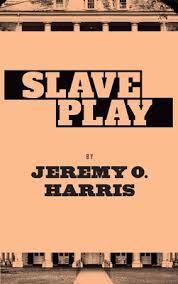 Jeremy Harris is a dark and stormy cocktail of Dave Chappelle, Augusto Boal, Boots Riley, and James Baldwin. The dark comedic energy that drives Slave Play, Harris’s provocative Broadway show about racism, sex, kinky fetishism, white supremacy, interracial relationships, slavery, the Antebellum South, post-colonialism, and psycho-sexual drama therapy, is the sort that makes you cry while laughing, tremble with anxiety, giggle from embarrassment, and question the sources of your own laughter. Slave Play riffs darkly on how black and white people in America live intimately together yet are essentially apart. Carrying the historical burdens of slavery and white supremacy into the 21st century, Harris shines a dark therapeutic light onto areas of our racial relations that are vibrating with pain and festering with pleasure.
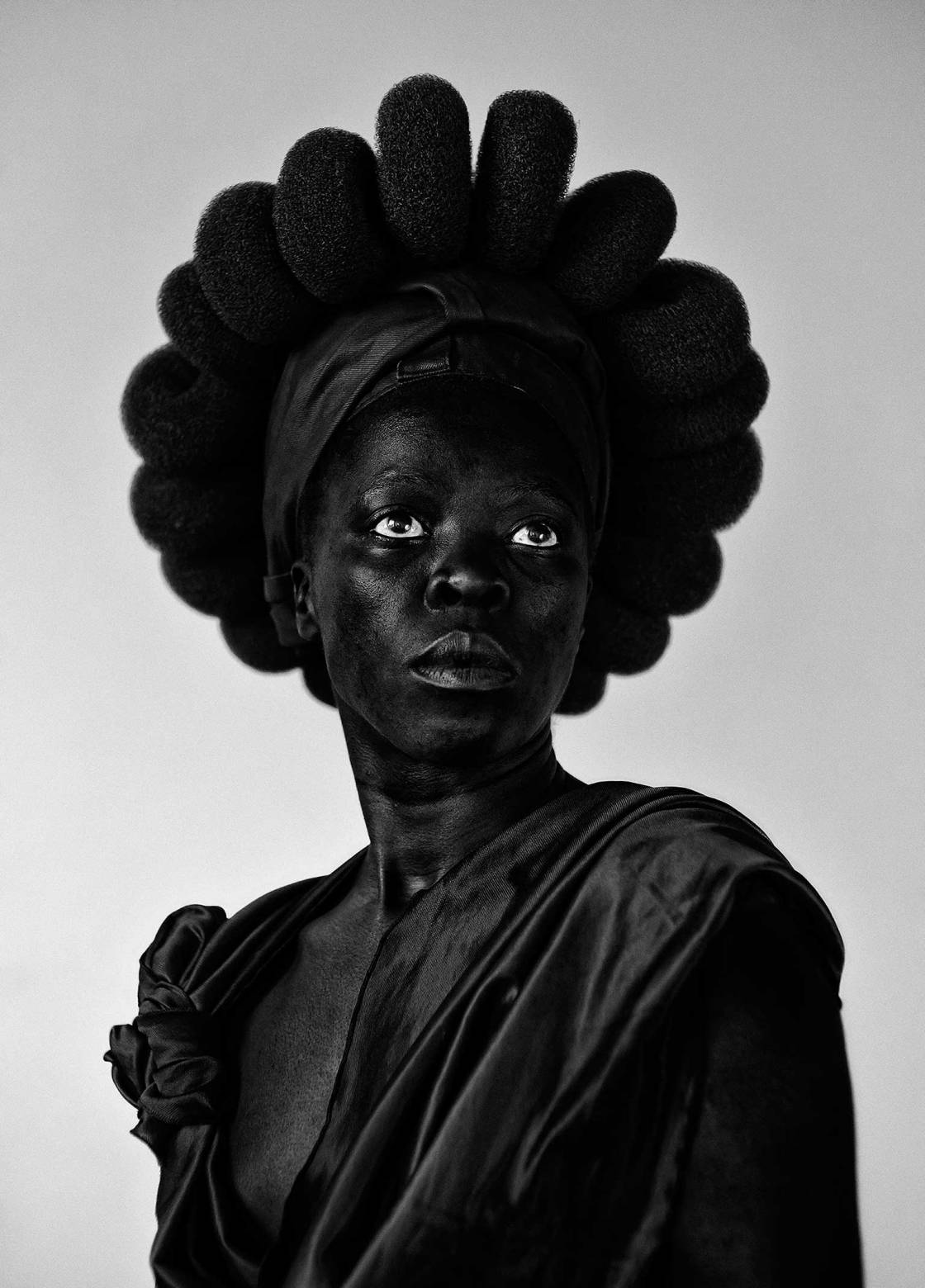 Zanele Muholi. Ntozakhe II, Parktown, Johannesburg. 2016.
 Yesterday was James Joyce’s birthday. His one-hundred-and-thirty-seventh. Or would have been, if he hadn’t died, in Zurich, in January 1941, but were instead swelling the ranks of the current generation of supercentenarians, their increasing longevity bedeviling the demographics departments of local life insurers. Joyce is buried in Fluntern Cemetery on Mount Zurich, his grave marked by a wry-looking seated effigy, like a jocular, unaccommodated Lincoln Memorial; he is further commemorated in the eccentric orthography of the names of the city’s two rivers, the Limmat and the Sihl, in a plaque mounted on the point at which they diverge downstream from the Swiss National Museum, where the letter “i” in both names has been replaced with a “j”.
 Banners waved, the converted preached and hawkers peddled hats, buttons, “Impeach This” sweatshirts and dodgy conspiracy theories. T
 Welcome to Des Moines, where unmarked satellite trucks troll snowy streets, coffee houses and hotel lobbies are broadcast-ready, and legions of reporters and crew and a few political tourists have swept up and besieged an entire town.
 First off, let me just get this out of the way: we share too much data about ourselves knowingly with companies and they collect, use and share even more than most of us are aware of (read through those lengthy privacy notices recently?). And unless you live in Europe with its pretty extensive GDPR rules, or
  Another not-necessarily-the-best-of-the-year mix, but there do seem to be a number of 2019 releases. Warning: this one’s pretty drony, so don’t be driving or anything. Sequencers next time, I promise! (A few anyway.)