by Joan Harvey
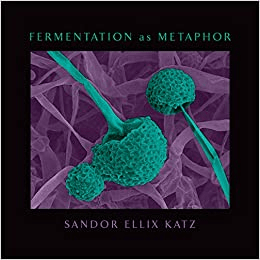
The new book by Sandor Ellix Katz, Fermentation as Metaphor, is “Dedicated to bubbly excitement, in its infinite effervescent manifestations.” As our Covid Days drag on, I have a dream about champagne flutes gone missing, though I manage to find other glasses that will do. I suspect this is a dream about our current loss of social celebrations, and a wish for the bubbly groupings of the past, but, also, when I find different glasses, how it is still possible to find other ways to bubble (or with glasses how it is possible to see things differently).
“Bubbles create movement, literally exciting the substrate being transformed by the fermentation, bringing it to life” (Katz 80). When our ideas, our spirits, our thoughts bubble up, it shows that something exciting is taking shape. Fermentation is from the latin fervere, which means to boil. It’s all about the bubbles. We even live in an age of bubbles: the German philosopher Peter Sloterdijk has written a 664-page tome called Bubbles, the first of a three-part trilogy, a theory of relationship and intimacy that takes us from the womb to the Christian conception of God; the Flaming Lips performed a concert in which every musician and each person in the audience was encased in a bubble, and I, for one, live in a liberal bubble. But Sandor Katz’s bubbles have energy, permeability, and an excitement that is very much shared, rather than isolating. Read more »
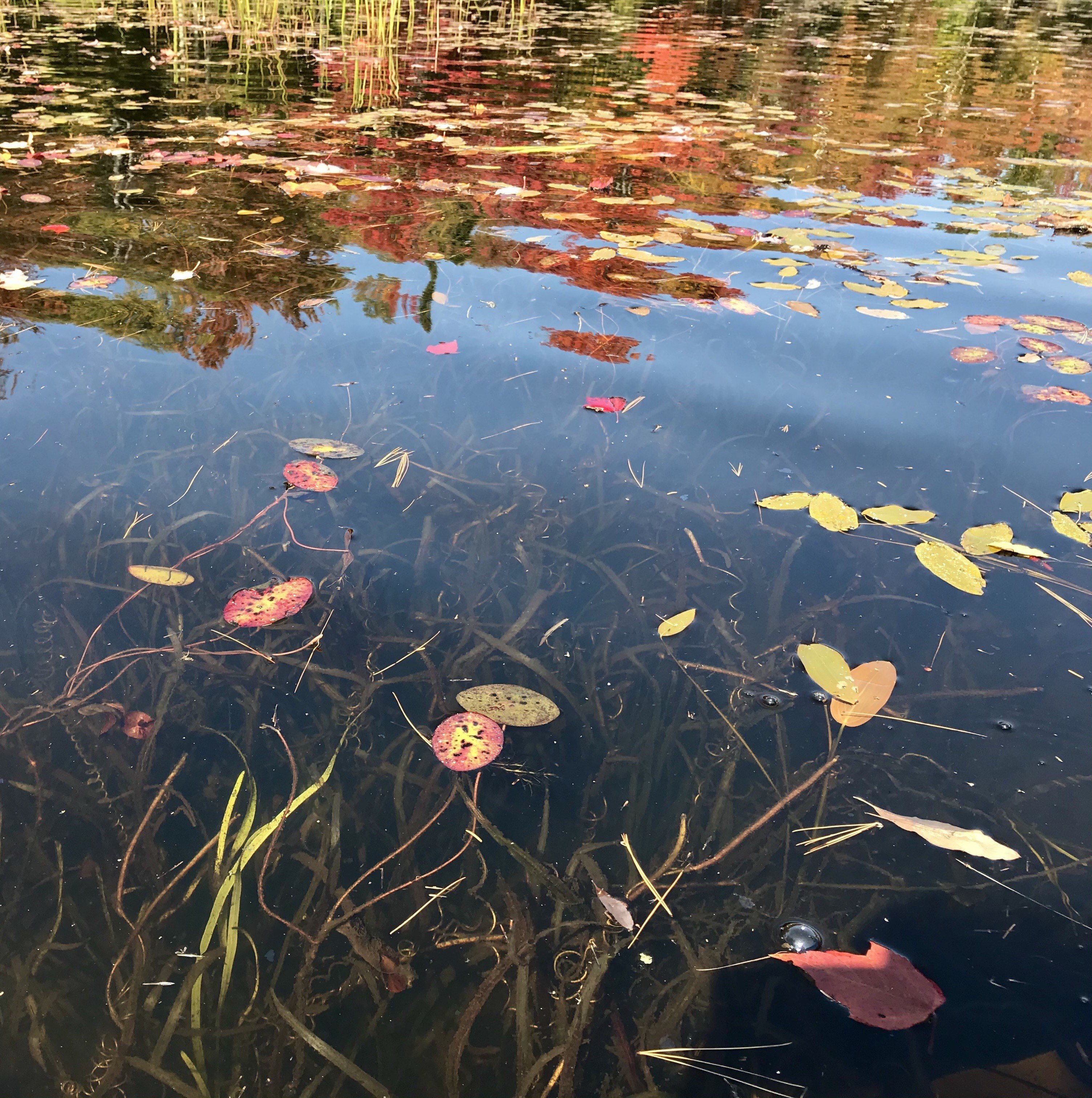 Sughra Raza. Autumn Water. Chittenden, September 2020.
 Autumn is brilliant. One of the things I looked forward to when I moved to the Midwest from the desert southwest was the experience of a year with four seasons. I did not anticipate how very beautiful autumn could be, and even after 40 years in the Midwest, I can’t get enough of this season. I can’t spend enough time outside in the wonderfully crisp air, under the low-angle sunlight, stopping to drink in the deep burnished golds, the lemony yellows, the gloriously variegated reds and oranges.

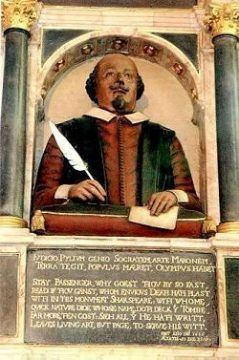 It’s dawned on me, looking at recent (and not so recent) commentary on Shakespeare, that a wedge is being driven between the Bard and the culture in which he lived. Although I haven’t actually heard the following syllogism, it seems to be lurking behind much current criticism:

![Shakespeare & Company, Paris. [Wikipedia]](https://3quarksdaily.com/wp-content/uploads/2020/10/SandC.jpg)

 Racial disparities are present in all aspects of life. In the U.S.
 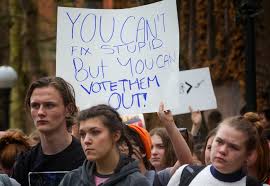 Some people whose political views are liberal and progressive say they will not vote in the 2020 US election. They detest Donald Trump and his Republican enablers like senate leader Mitch McConnell; they oppose Trump’s policies on most issues–the environment, immigration, health care, voting rights, police brutality, gun control, etc.; but they still say they won’t vote. Why not?