
by Chris Horner
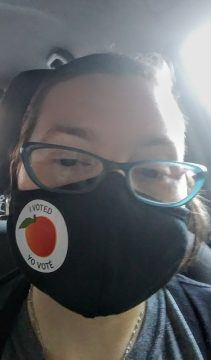
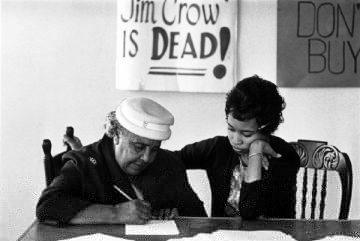 In the presidential election of 2016, around 45% of adult eligible to vote in the USA did not vote. It isn’t disputed that voter suppression, disproportionately affecting people of colour, was one of the causes. Another seems to be a cynicism, or apathy about the process itself. And there may be other reasons. But however you look at it, a situation in which nearly half of the eligible population doesn’t vote in an election for the highest office in the land ought to be causing a good deal of alarm, and not just for those political actors who reckon to be most damaged by this blank statistic. But then, ‘democracy’ has always been rather more of an unfulfilled promise than an accomplished fact, even in the Land of the Free (as well as in the land that boasts the ‘Mother of Parliaments’, where I live).
Slow Progress
In the years following the independence of the 13 colonies from Britain, voting rights for women and native Americans were only extended very gradually (1920 and 1924 respectively). For African Americans the picture is complicated by the different laws in the states, even after the Emancipation Proclamation. Many non white Americans weren’t actually able to exercise their right to vote in the segregated south well into the middle of the 20th century. Even today, extensive gerrymandering and selective use of felony disbarments as well as ID voting conditions continue to be used to exclude black citizens from expressing their democratic choice at the ballot box. And there remains the misuse of the election ballot and its ‘hanging chads’, as well as the power of the Electoral College to modify inconvenient electoral outcomes. Failing that, there is the similarity between the two main parties to act as a block on radical change. Much of this is well known.
What is less often remarked is that even at independence poor whites couldn’t vote either (Washington was elected on a franchise that only extended to 6% of the population). The franchise was extended to poorer white men during the 19th century (different states had different laws and President Jackson, that killer of native Americans, was pivotal in extending democracy to white men). But from the start it was a designed as a limited democracy, and in many ways it has stayed limited. The idea that the USA was actually founded on the principle of full democratic participation is quite mistaken. It was founded on the notion of limited and constrained democracy. Only pressure from below has partially changed things. Read more »

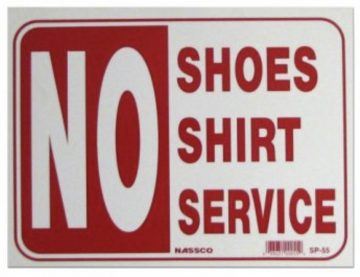 When I was a kid, I used to see this little sign everywhere (still see it occasionally): “No shoes. No shirt. No service.” It was on the door of every store, including the store down at the gas station. It used to make me laugh for some reason. Maybe, just the image of this shoeless, shirtless madman storming the store for more toilet paper.

 But Och! I backward cast my e’e,
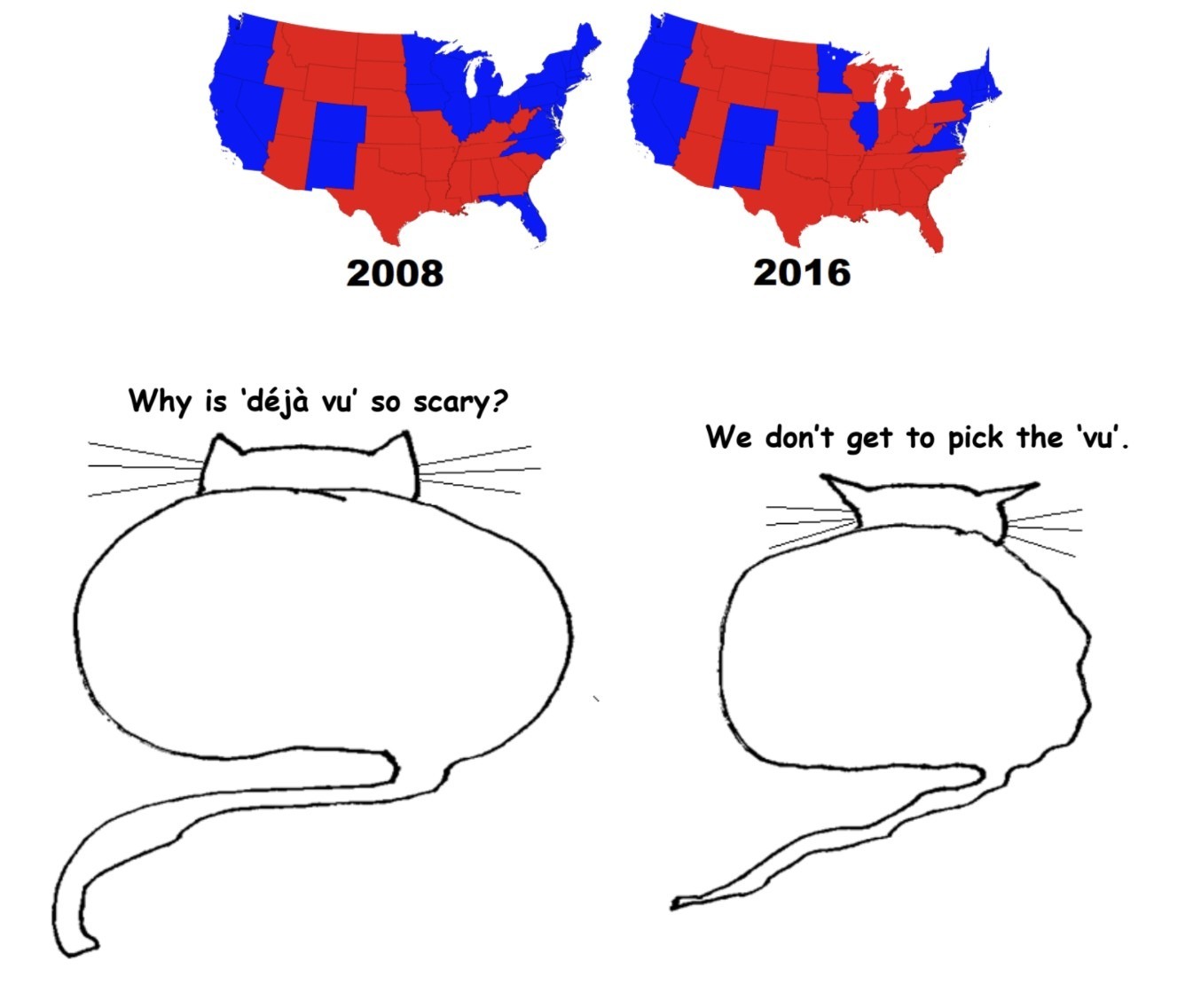
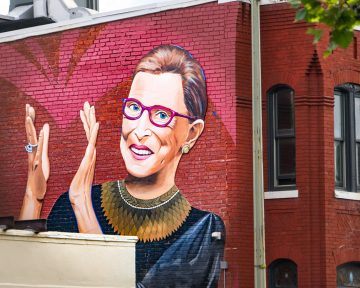
 Bill: Can you believe these Republicans?! Just four years after swearing up and down that no nominee for the Supreme Court should ever be approved in an election year for the president, and promising on their mothers’ graves that they would never do such a thing, here they are doing exactly that!
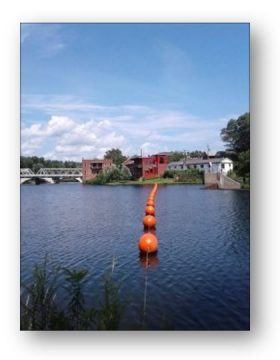
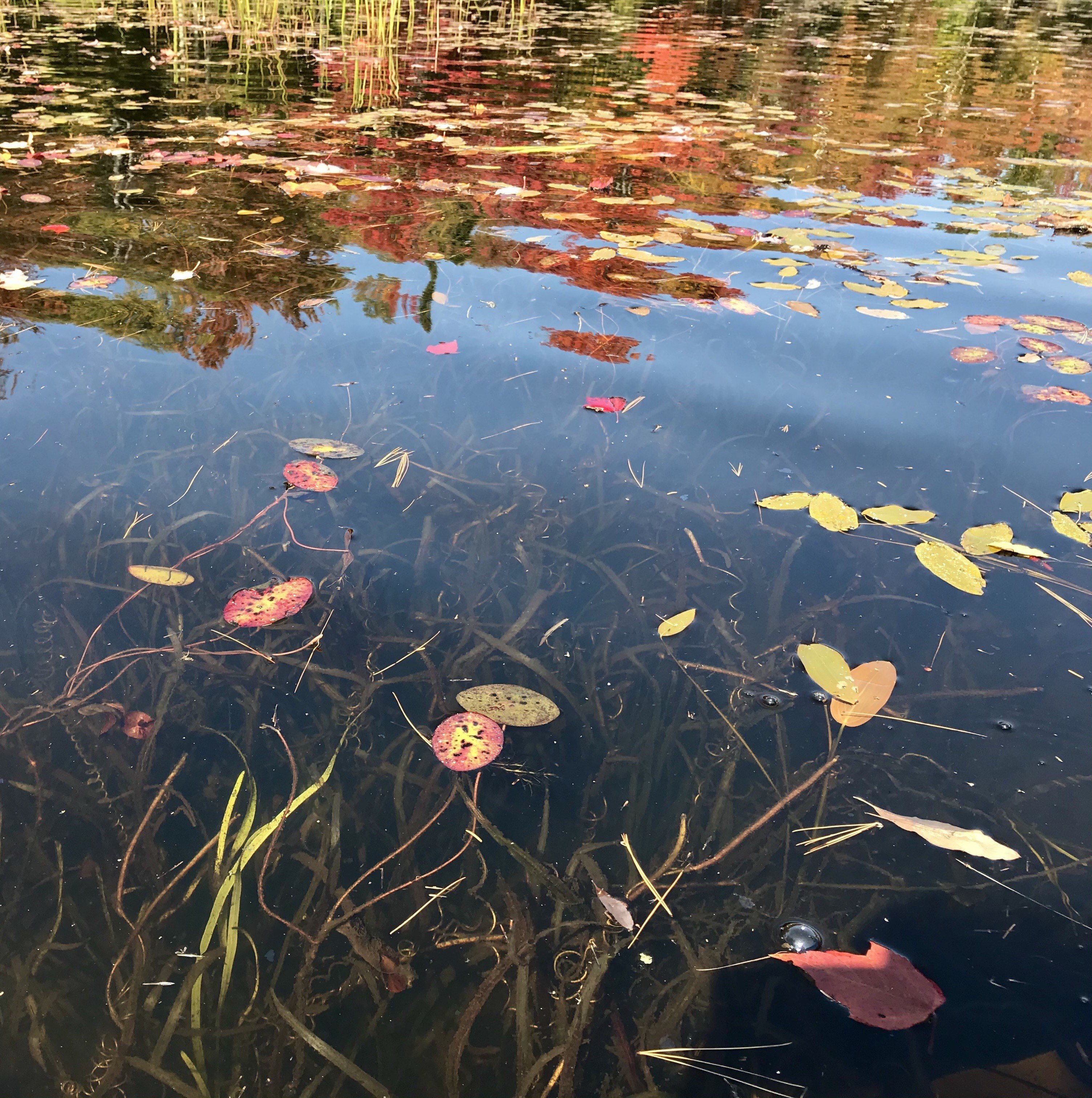 Sughra Raza. Autumn Water. Chittenden, September 2020.
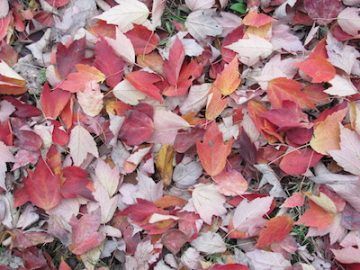 Autumn is brilliant. One of the things I looked forward to when I moved to the Midwest from the desert southwest was the experience of a year with four seasons. I did not anticipate how very beautiful autumn could be, and even after 40 years in the Midwest, I can’t get enough of this season. I can’t spend enough time outside in the wonderfully crisp air, under the low-angle sunlight, stopping to drink in the deep burnished golds, the lemony yellows, the gloriously variegated reds and oranges.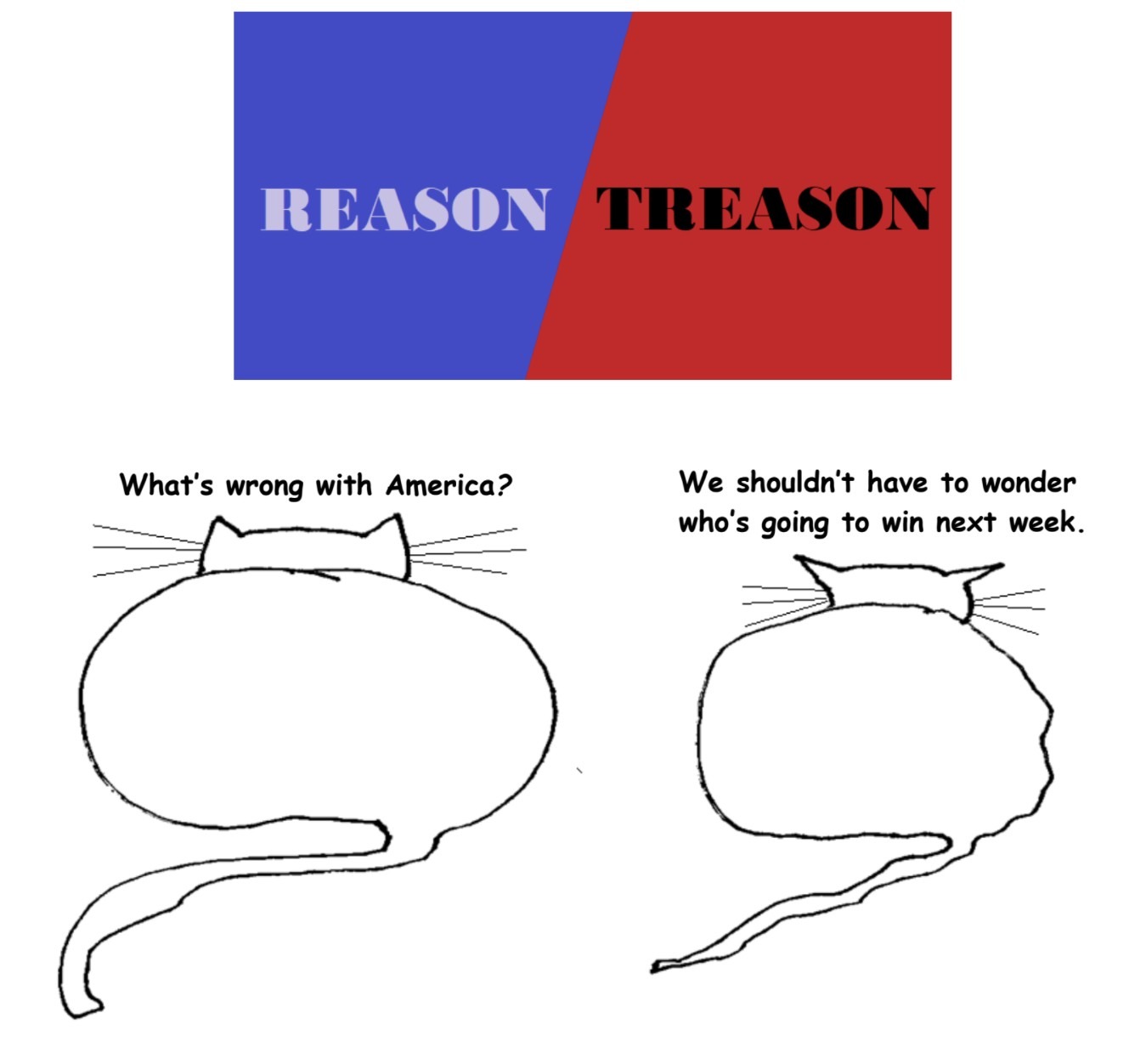
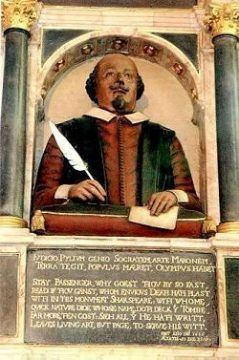 It’s dawned on me, looking at recent (and not so recent) commentary on Shakespeare, that a wedge is being driven between the Bard and the culture in which he lived. Although I haven’t actually heard the following syllogism, it seems to be lurking behind much current criticism: