
by Paul Orlando
With the election on Tuesday, I expect readers will be more distracted than normal so this is a short post. Today I wanted to tell you about how I caught up with a friend of mine last week.
That is, I recently had lunch with a good friend of mine who told me he’s a Trump supporter. At the start of our lunch he even showed me the Facebook post where he publicly stated he was voting for Trump (he didn’t last time).
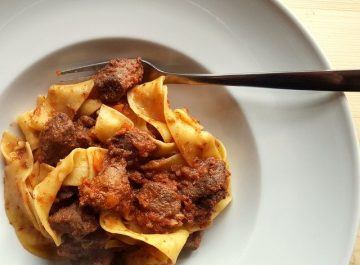
But you’re probably curious about that lunch. Simple, but more than delicious. Pasta with wild boar ragu. Excellent cheeses. Perfect wines to go with the meal.
Also, a very enjoyable conversation about books and history. I imagine that many of you would have enjoyed it too. But maybe not.
To trigger craziness in others all I needed to mention was the word Trump.
Here are some of the shorter responses people (also friends) gave in response.
“Did you barf during or after the meal?” Funny, but didn’t I say the lunch was delicious?
“Ewwww….” What, the lunch or the person?
“I hope you wore a mask.” While eating?
The reactions of those otherwise thoughtful people troubled me. No one asked anything about my friend, his decision, or who he was. They already knew everything they needed to know. I’m sure they would be surprised to know that he’s an immigrant, non-white, and a PhD.
The single dimension of my critical friends’ reactions bothered me because I know they’ve never had such a lunch.
It’s natural for people to have different opinions. I believe we all want an election outcome process that is fair, perceived as fair, and with conclusive results. Then hopefully we can learn that the divisions were never so wide and even how public opinion has been steered in new directions.
Regardless of election outcome, may I recommend that you at least have a friend with different views than yours?
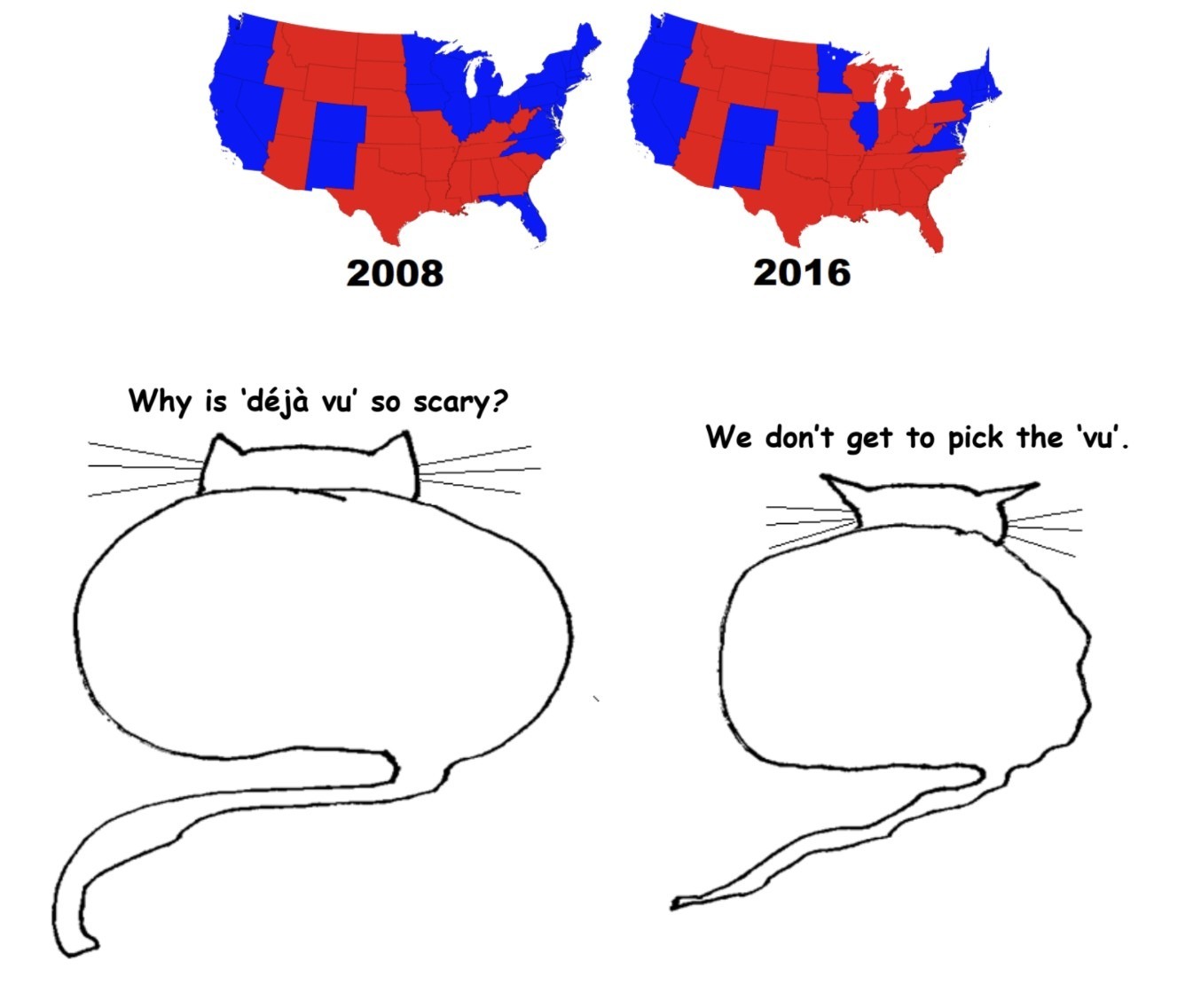
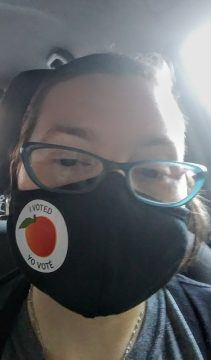
 In the presidential election of 2016, around 45% of adult eligible to vote in the USA did not vote. It isn’t disputed that voter suppression, disproportionately affecting people of colour, was one of the causes. Another seems to be a cynicism, or apathy about the process itself. And there may be other reasons. But however you look at it, a situation in which nearly half of the eligible population doesn’t vote in an election for the highest office in the land ought to be causing a good deal of alarm, and not just for those political actors who reckon to be most damaged by this blank statistic. But then, ‘democracy’ has always been rather more of an unfulfilled promise than an accomplished fact, even in the Land of the Free (as well as in the land that boasts the ‘Mother of Parliaments’, where I live).

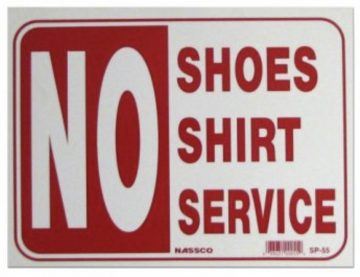 When I was a kid, I used to see this little sign everywhere (still see it occasionally): “No shoes. No shirt. No service.” It was on the door of every store, including the store down at the gas station. It used to make me laugh for some reason. Maybe, just the image of this shoeless, shirtless madman storming the store for more toilet paper.


 But Och! I backward cast my e’e,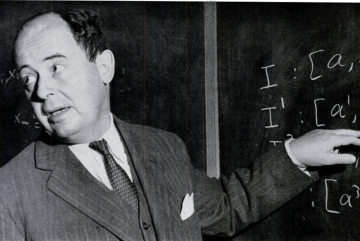
 Bill: Can you believe these Republicans?! Just four years after swearing up and down that no nominee for the Supreme Court should ever be approved in an election year for the president, and promising on their mothers’ graves that they would never do such a thing, here they are doing exactly that!
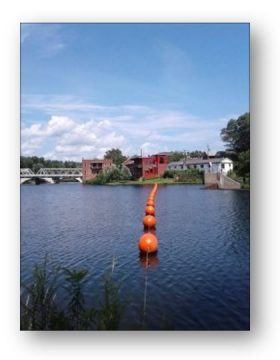
 Sughra Raza. Autumn Water. Chittenden, September 2020.
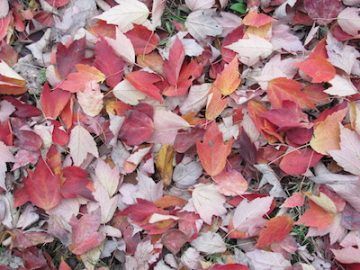 Autumn is brilliant. One of the things I looked forward to when I moved to the Midwest from the desert southwest was the experience of a year with four seasons. I did not anticipate how very beautiful autumn could be, and even after 40 years in the Midwest, I can’t get enough of this season. I can’t spend enough time outside in the wonderfully crisp air, under the low-angle sunlight, stopping to drink in the deep burnished golds, the lemony yellows, the gloriously variegated reds and oranges.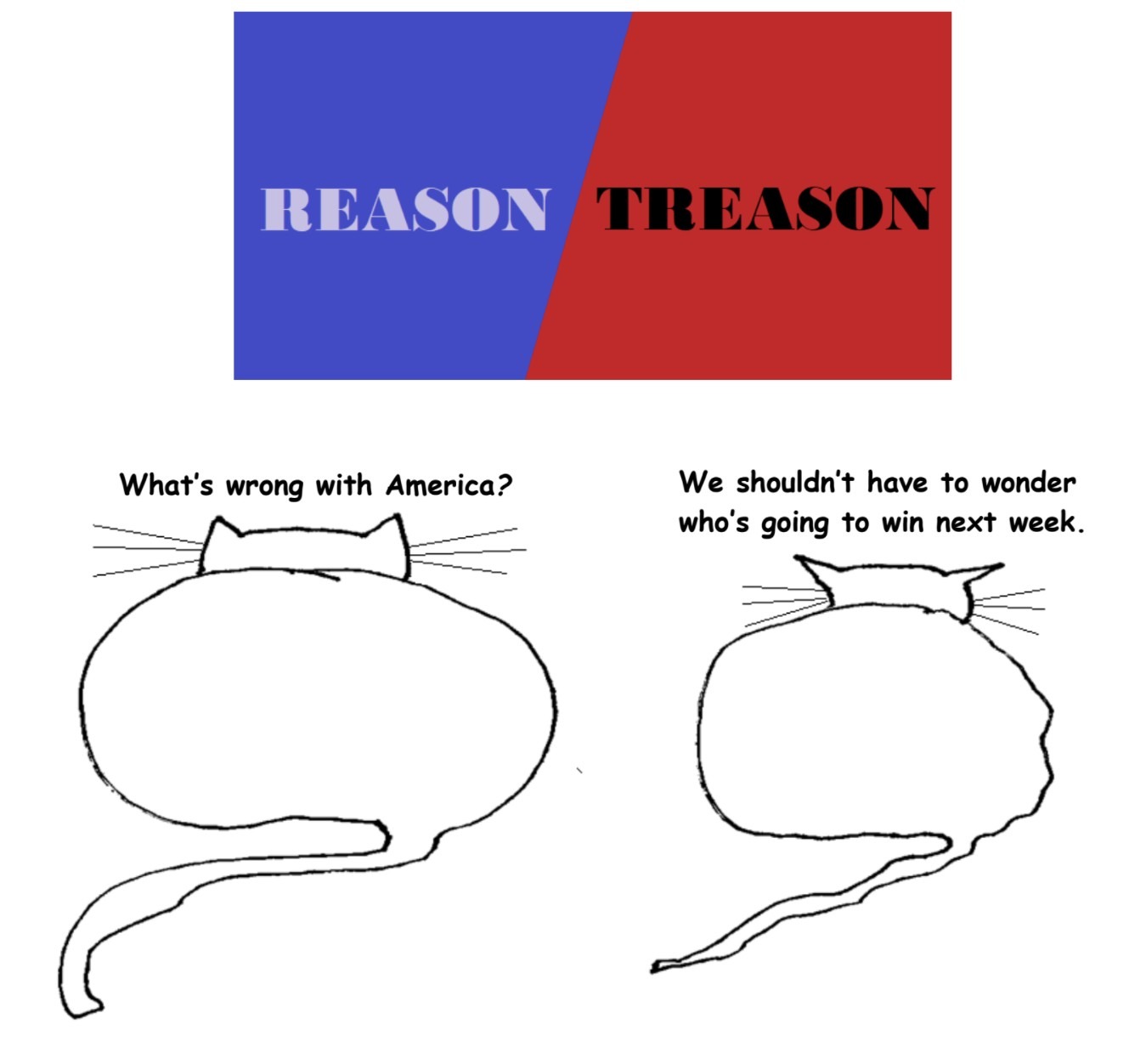
 It’s dawned on me, looking at recent (and not so recent) commentary on Shakespeare, that a wedge is being driven between the Bard and the culture in which he lived. Although I haven’t actually heard the following syllogism, it seems to be lurking behind much current criticism: