by Ethan Seavey
 Every hour of every day I hear the pulsating rush of le Periph and I am reminded that Paris is dead. My dorm is at the very bottom of Paris such that if the city were a ball I’d be the spot that hits the ground. I sit in my windowsill. I watch cars drive on the highway in an unending flow, like blood in veins, fish in streams, but they’re all metal idols of life. Life does not go this fast. Life stops to take a rest.
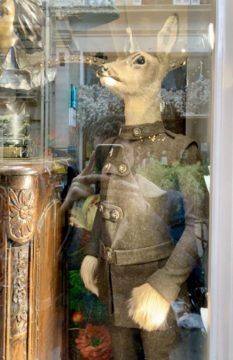
It seems to me that Paris died forty years ago and is now taxidermic like the fawn I saw guarding an antique shop in the 9th arrondissement. Someone must have prepared the fawn’s body to be preserved, then sewn a tailored military uniform for its cartoonish appearance. Through the window it looks perfectly reanimated and proud to be enlisted in the French infantry. Up close it’s just dusty and reminds me that it has been dead for a long time.
Something stopped in Paris in the 1980s. I think it happened when Parisian food stopped developing. You love French food until you live in Paris and then you decide you can’t have another meal of meat, cheese, butter and bread. A waiter in a French café will serve you a brown omelette, ignore you until you’ve properly begged for the check, and proceed to charge you 14 euros. Paris is proud of its food. They won’t change it any time soon. Read more »
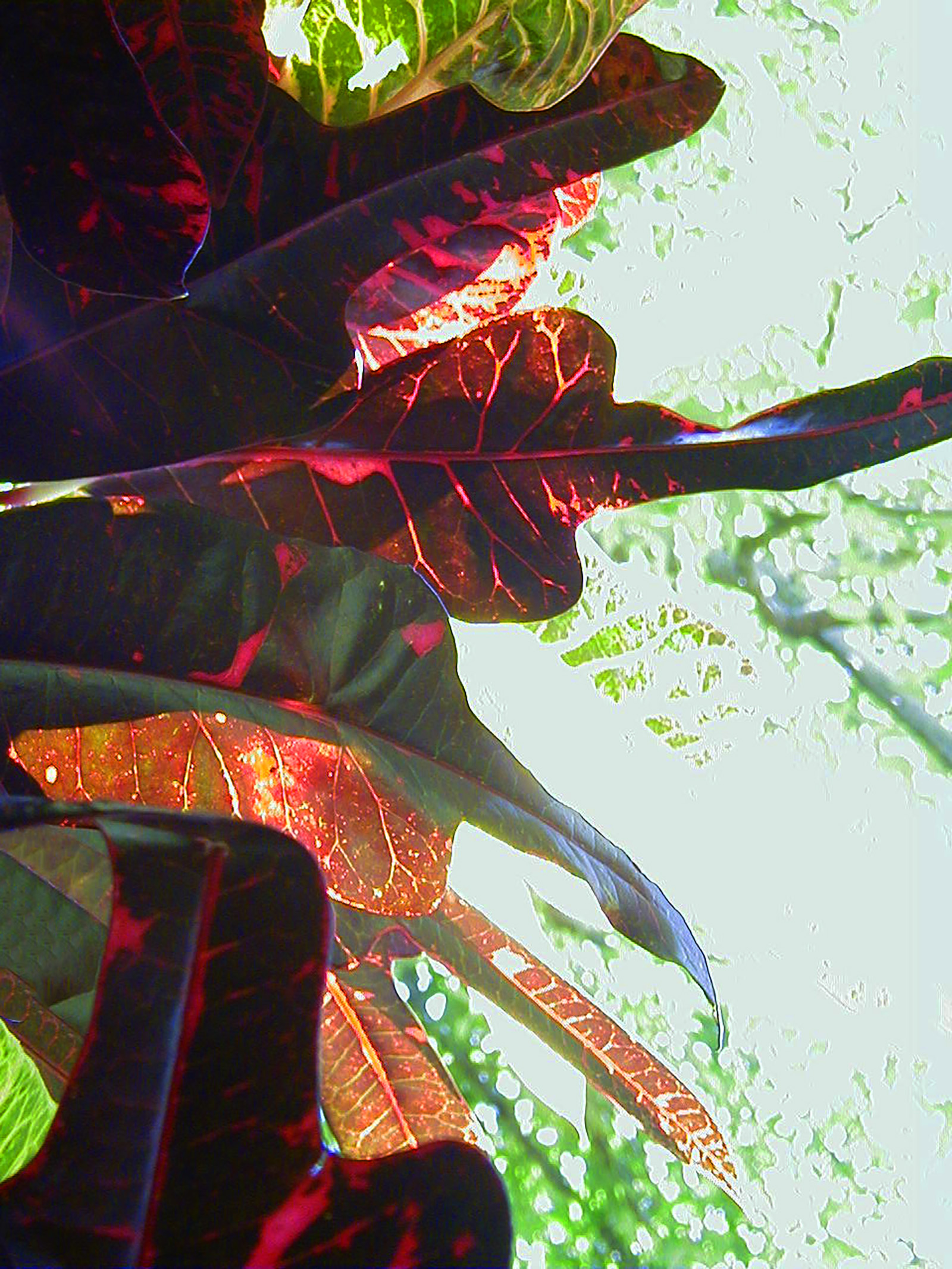 Sughra Raza. Color Burst, Costa Rica 2003.
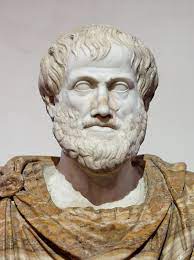 For many of the ancient philosophers that we still read today, philosophy was not only an intellectual pursuit but a way of life, a rigorous pursuit of wisdom that can guide us through the difficult decisions and battle for self-control that characterize a human life. That view of philosophy as a practical guide faded throughout much of modern history as the idea of a “way of life” was deemed a matter of personal preference and philosophical ethics became a study of how we justify right action. But with the recognition that philosophy might speak to broader concerns than those that get a hearing in academia, this idea of philosophy as a way of life


 Andreu Mas-Collel, a mathematical economist from Catalonia, came to Berkeley before I did. He was a student activist in Barcelona, was expelled from his University for activism (those were the days of Franco’s Spain), and later finished his undergraduate degree in a different university, in north-west Spain. When I met him in Berkeley he was already a high-powered theorist using differential topology in general-equilibrium analysis, in ways that were far beyond my limited technical range in economic theory. But when we met, it was our shared interest in history, politics, and culture that immediately made us good friends, and his warm cheerful personality was an added attraction for me. (His wife, Esther, a mathematician from Chile, was as decent a person as she was politically alert).


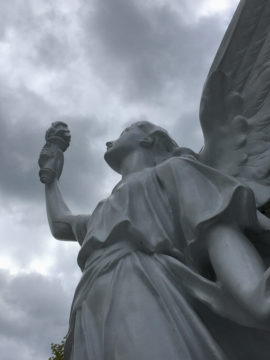
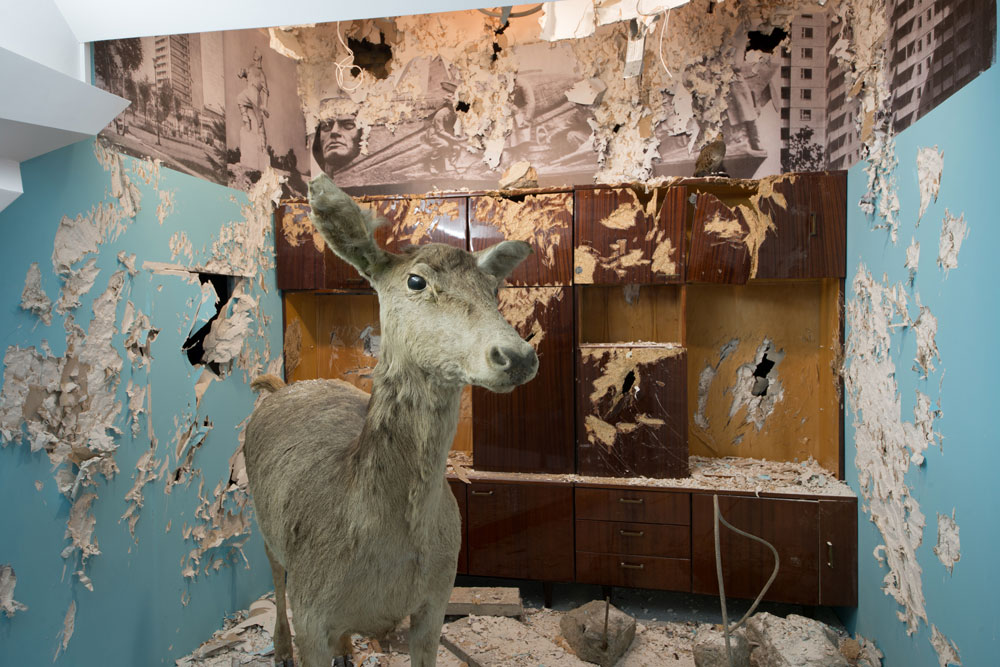 Nikita Kadan. Hold The Thought, Where The Story Was Interrupted, 2014.