by Charlie Huenemann
 I recently listened to a discussion on the topic of longtermism, or the moral view that we need to factor in the welfare of future generations far more seriously than we do, including generations far, far into the future. No one should deny that the people of the future deserve some of our consideration, but most people soften that consideration with fluffy pillows of uncertainty. We take ourselves to have a rough idea of what the next generation will face, but after that everything gets cloudy fast, and most of us aren’t sure what exactly we should do for those possible people in the clouds, so we start dropping them from our moral calculations.
But if you insist on considering them, and treating them as real (but real elsewhen), their numbers and their interests get big fast. How many people might exist in the whole future of the universe? Millions of billions, maybe, if we go full-on Star Trek. If they each deserve only one millionth of our concern, that still ends up being a whopping amount of concern. Look at things that way, and really just about all of our moral thinking should be focused on the future generations of the universe. The Iroquois who asserted that we should “have always in view not only the present but also the coming generations” were severely understating the magnitude of the task before us.
Look, I’m not about to say anything against caring for the people of the future. But when anyone starts talking about the universe, or the rest of time, I feel compelled to remind them that they have no idea what they are talking about. Even saying “it sure is a big place” or “the scale of the thing is mind-boggling” or “there sure are a lot of possibilities” runs the risk of suggesting we have more of a grip on the business than we really do. It’s slightly safer just to say, “we really have no idea.” Read more »
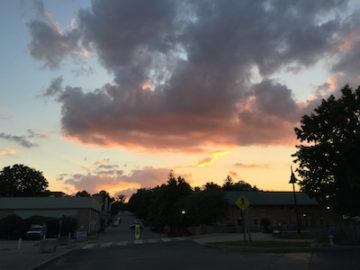 This summer I noticed that I was sharing a lot of sunset photos on social media. I don’t think of myself as a photographer, and I’m much more likely to share words than images. When I thought about it, I realized this wasn’t a sudden change. I’ve been taking the odd set of sunset pictures with my Canon every now and then, and I’ve noticed that my eyes are increasingly drawn to the sky and the light when I look at landscape photos.






 Being in Berkeley for more than four decades I have met and encountered many leftists and several of them are/were radical in their politics, though in recent years the radical fervor has been somewhat on the decline even in Berkeley. I remember some time back reading one east-coast journalist describing Berkeley, with a pinch of exaggeration, as moving from being the Left capital of the US to being its gourmet capital—this transition is, of course, most well-known in the case of Alice Waters who, a Berkeley activist in the 1960’s, started her iconic restaurant Chez Panisse in the next decade, though she herself considers the novel approach to food embodied in that restaurant—insistence on fresh ingredients and cooperative relations with local farmers– as growing out of the same counter-culture movement. (This transition was, of course, much more agreeable than some of the militant Black Panther leaders of 1960’s Oakland turning to Christian evangelism).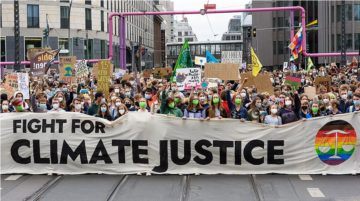




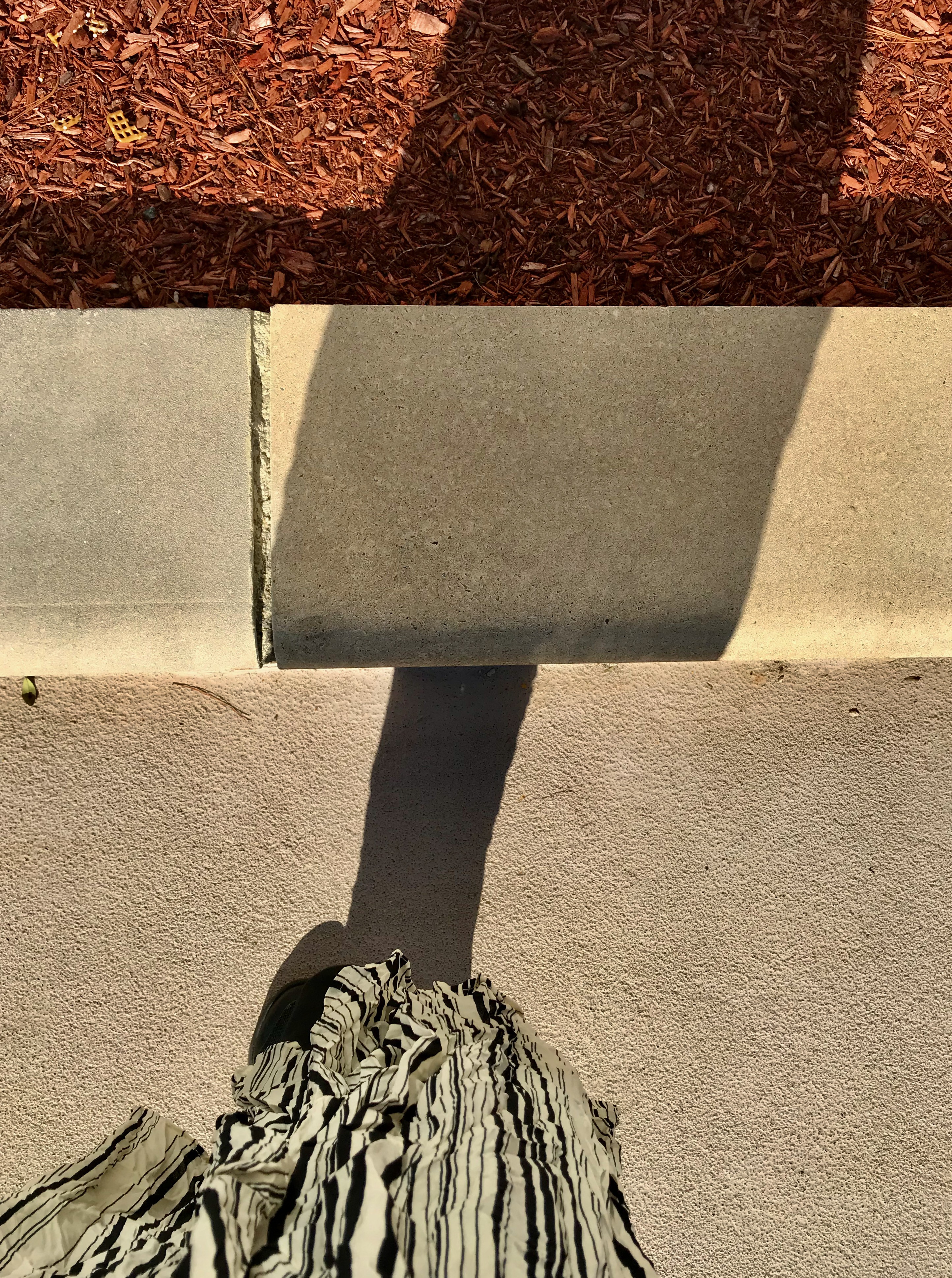 Sughra Raza. Self Portrait in The November Sun, 2020.