by Barbara Fischkin

At dawn on February 24, 2022, Russian President Vladimir Putin announced a “special military operation,” in Ukraine—a euphemism for war, if ever there was one. Since that morning, the fortitude of the Ukrainian people has resounded, even as the Middle East vies for our attention. For me, evidence of this grit—as fertile as Ukraine’s soil—arrives weekly, if not daily, in messages from a young woman in a western city. She writes from Ternopil, a relatively safe place. But from her I have heard that no place in Ukraine is truly safe.
I have also heard that its people are determined to stay, survive and rebuild.
My contact is not a war correspondent. She is an English language instructor, a teacher, a college administrator and the mother of two small children. In other words: A regular citizen. Her name is Oksana Fuk and we have been corresponding since hours after that terrifying dawn, almost two years ago, when Russia invaded her country.
We may have met in person years ago, when she was an internationally-recruited counselor at a camp for developmentally disabled children and adults in the upstate New York Catskill Mountains. What we are sure about is that she knows our elder son, Daniel Mulvaney, who has non-speaking autism and attended this camp for many summers.
On February 24, 2022, as I was searching for more news about the invasion—my mother was born in Ukraine—Oksana’s name popped up on my Facebook feed. I saw that she had worked at Dan’s camp.
When we first connected it was 4 p.m. on Long Island where I live. By then the invasion that morning had been front page news worldwide. It was 11 p.m. in Ternopil. Read more »
 I simply can’t seem to stop writing the same essay over and over. This is, I admit, not a great opening to a new essay. If all I do is repeat myself, why bother reading something new from me? Fair enough. You’ve heard it all before. But allow me one objection, which is that many writers write the same novel repeatedly, many filmmakers create the same movie multiple times, and these are often the best novelists and filmmakers. Now, I don’t mean to put myself in this category, but I can take solace in the fact that the greats do the same thing I seem to be fated to do.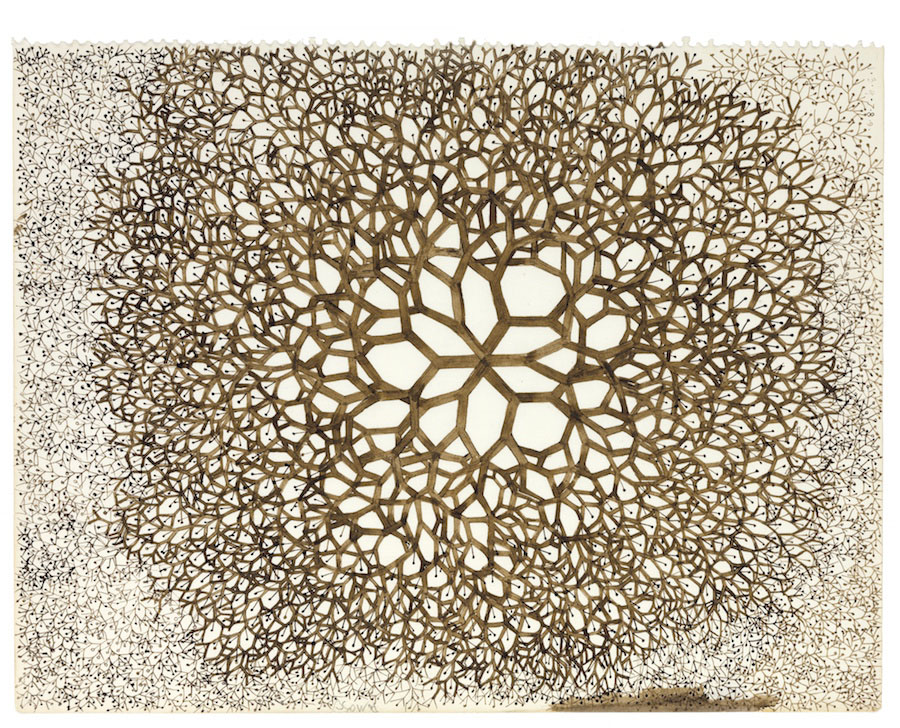
 book that convulsed me with giggles. It was a collection of cartoons by Abner Dean called What Am I Doing Here? I couldn’t read, and I didn’t understand what was happening in the pictures, but the people in the cartoons were naked! You could see their tushies! It just cracked me up.

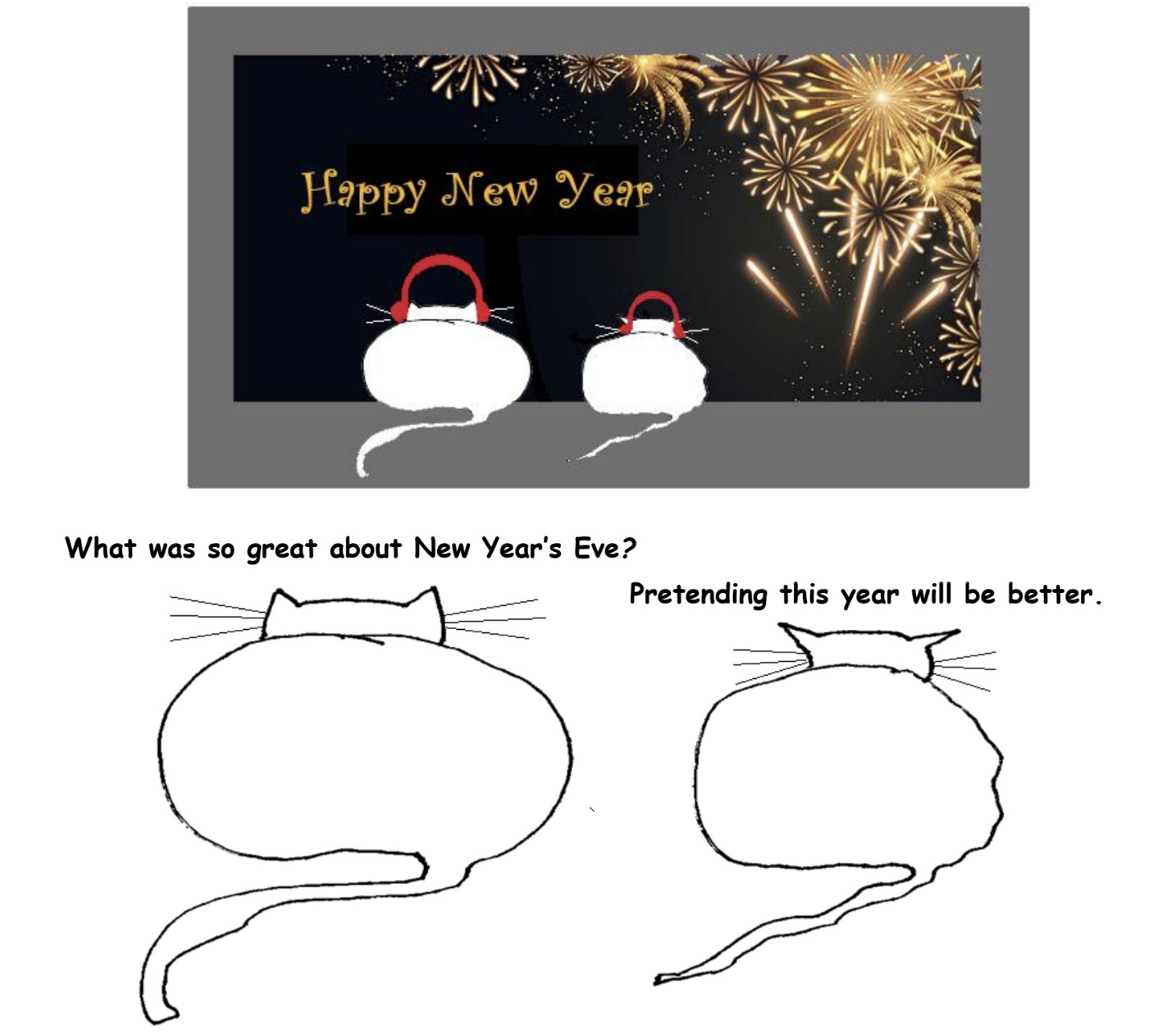
 January 1, 2024. Happy New Year! Just eleven months and five shopping days before Election 2024. Whether you find it comforting that 2024 also happens to contain an extra day might be the best marker of how Political Seasonal Affective Disorder has impacted you. Personally, I haven’t been sleeping particularly well.
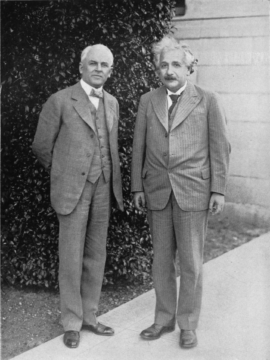 The photograph beside this text shows two men standing side by side, both scientific celebrities, both Nobel prizewinners, both of them well-known and well-loved by the American public in 1932, when



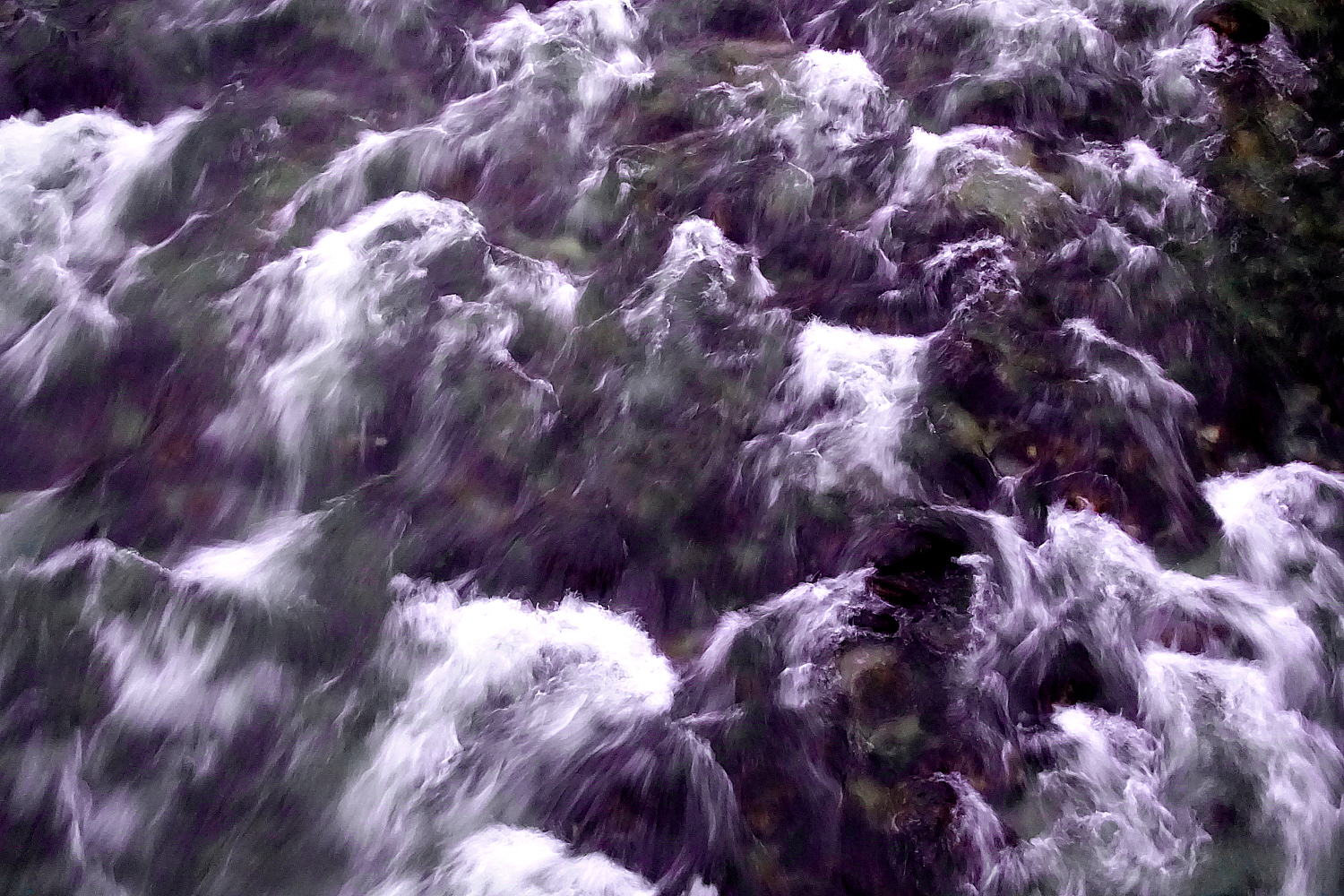
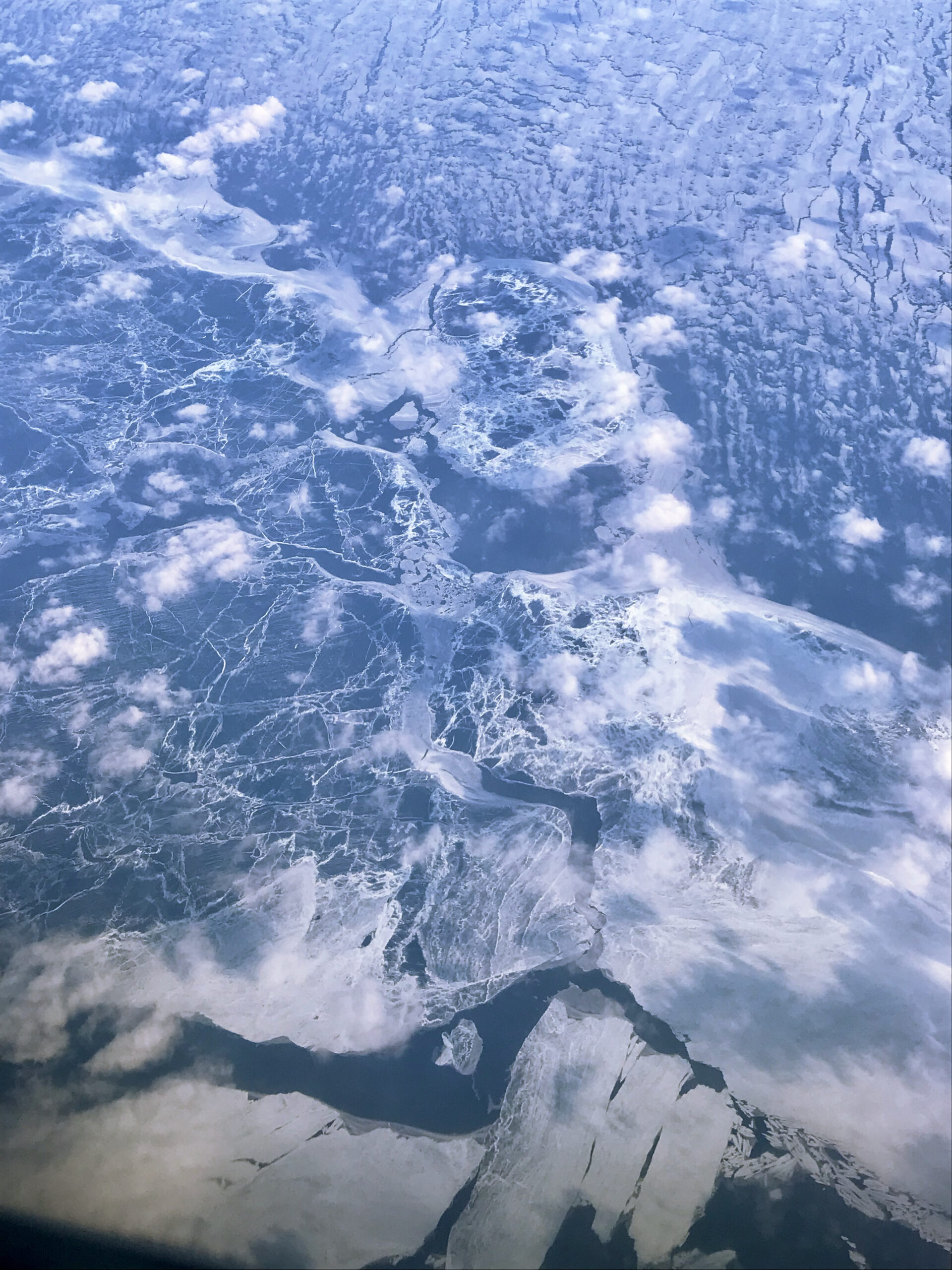 Sughra Raza. Breaking Point.