
by Jerry Cayford

A friend of mine covers his Facebook tracks. He follows groups from across the political spectrum so that no one can pigeonhole him. He has friends and former colleagues who, he figures, will be among the armed groups going door to door purging enemies, if our society breaks into civil anarchy. He hides his tracks so no one will know he is the enemy.
That trick might work for the humans, but artificial intelligences (AI) will laugh at such puny human deceptions (if artificial intelligence can laugh). When AI knows every click you make, every page you visit, when you scroll fast or slow or pause, everything you buy, everything you read, everyone you call, and data and patterns on millions like you, well, it will certainly know whom you are likely to vote for, the probability that you will vote at all, and even the degree of certainty of its predictions.
All of that means that AI will soon be every gerrymanderer’s dream.
AI will know not just the party registrations in a precinct but how every individual in a proposed district will (probably) vote. This will allow a level of precision gerrymandering never seen before. There is only one glitch, one defect: with people living all jumbled up together, any map, no matter how complex and salamander-looking, will include some unwanted voters and miss some wanted ones. To get the most lopsided election result possible from a given group of voters—the maximally efficient, maximally unfair outcome—the gerrymanderer has to escape the inconvenience of people’s housing choices. And since relocating voters is not feasible, the solution is to free districts of the tyranny of voter location. The truly perfect gerrymander that AI is capable of producing would need to be a list, instead of a map: a list of exactly which voters the gerrymanderer wants in each district. But that isn’t possible. Is it? Read more »
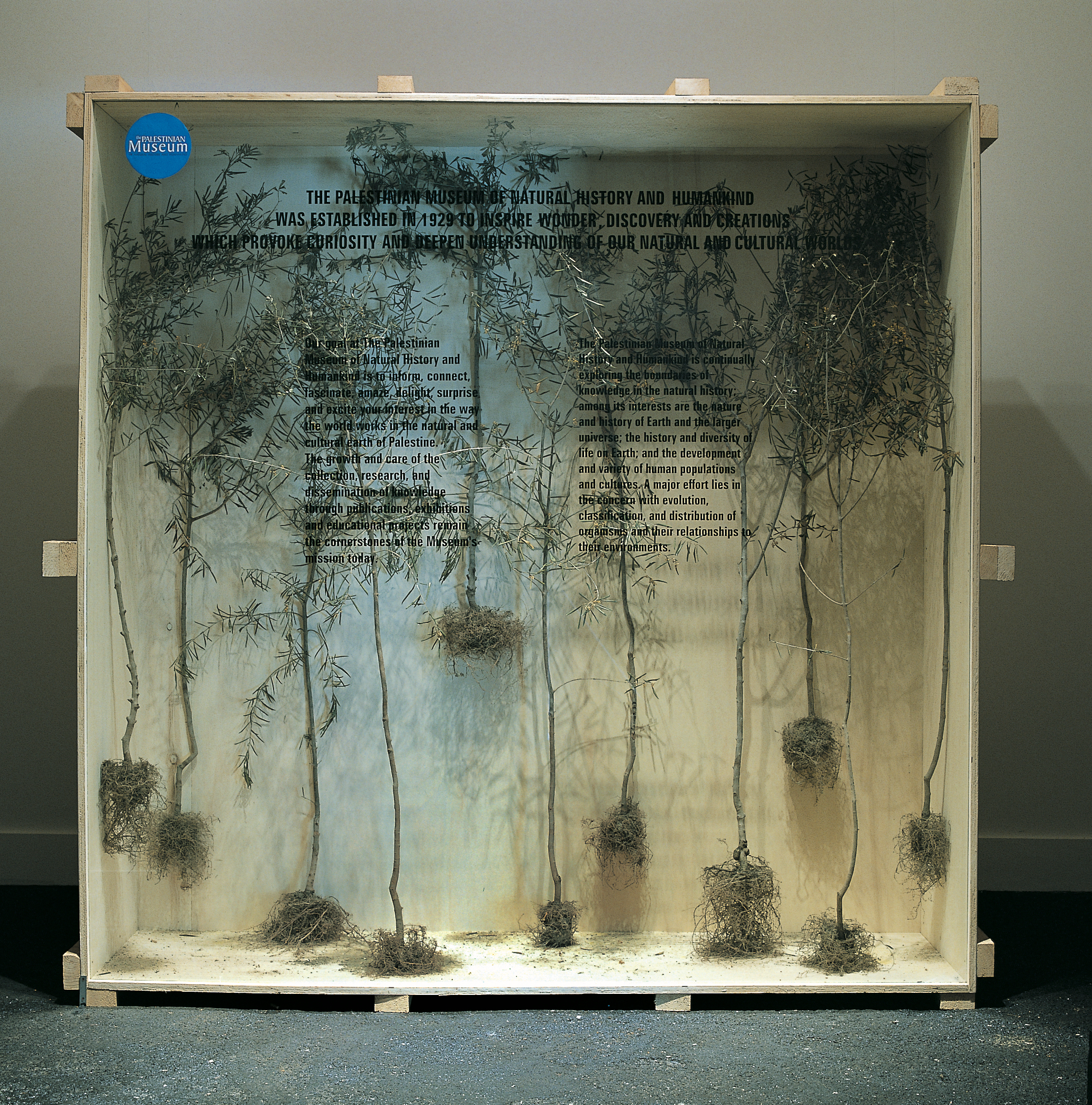 Khalil Rabah. About The Museum, 2004.
 If a city could be an organism, then Kherson in Eastern Ukraine would be a sick body. For eight months, between March and November 2022, Kherson was occupied by Russian forces. Kidnapping, torture, and murder – in terms of violence and cruelty, Kherson’s citizens have seen it all. Today, even though liberated, the port city on the Dnieper River and the Black Sea is still being regularly bombarded: a children’s hospital, a bus stop, a supermarket. Even though freed, how could this city ever heal?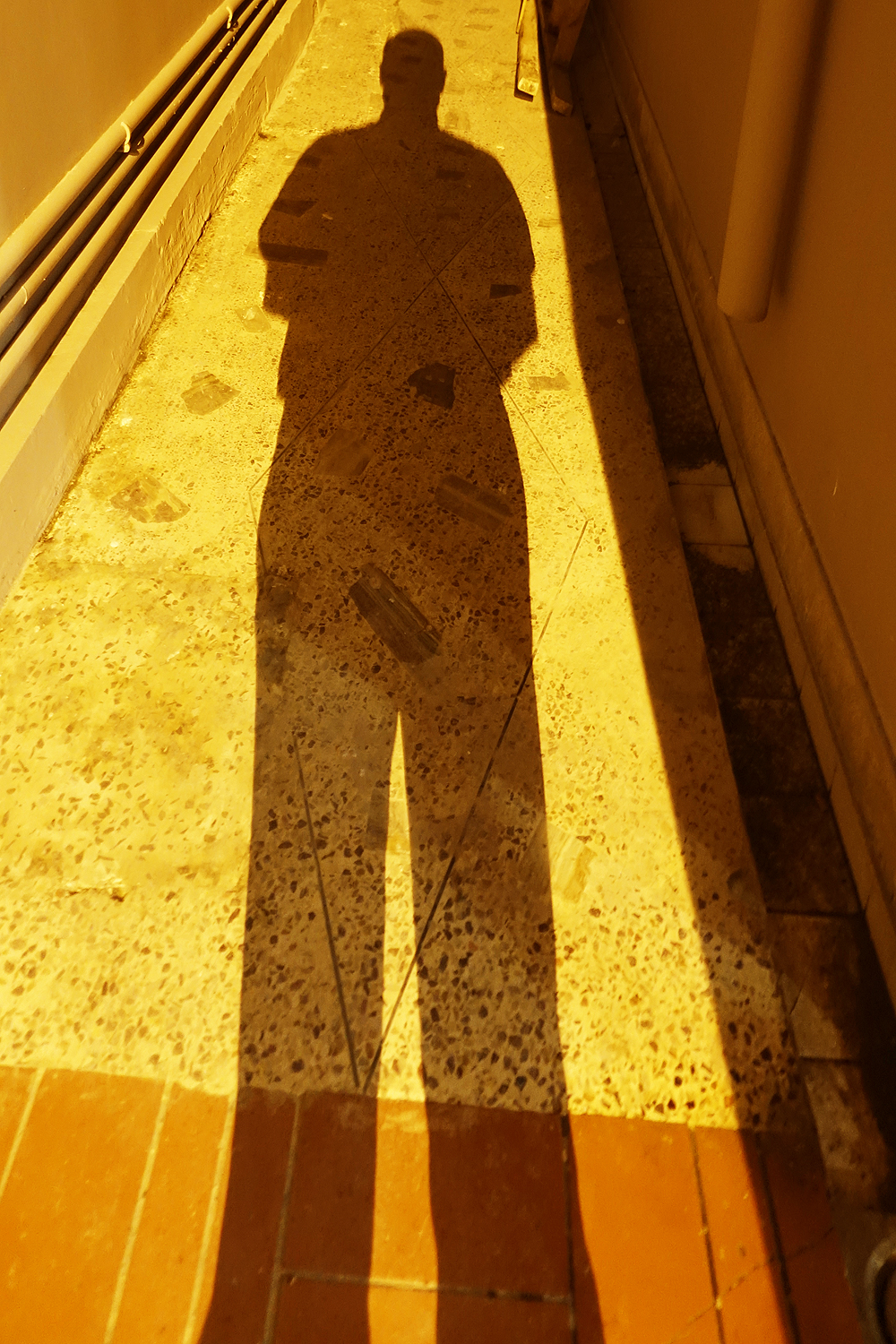
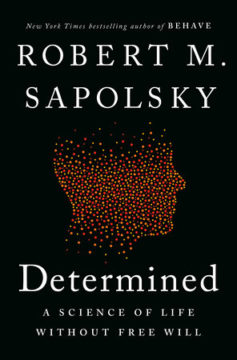 Two popular books released this year have breathed new life into the ancient debate over whether we have free will.
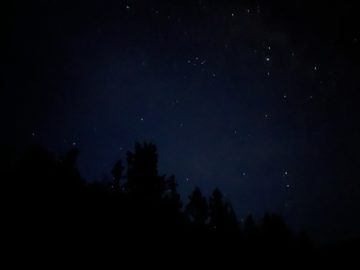 We all naturally take an interest in the night sky. Just last week, my fiancee and I attended an event put on by the Astronomical Society of New Haven. Without a cloud in the sky, near-freezing temperatures, and a new moon, the conditions were ideal for looking through telescopes the size of cannons. To see anything, you had to stand in line, in the cold, for your opportunity to look at something for a minute.
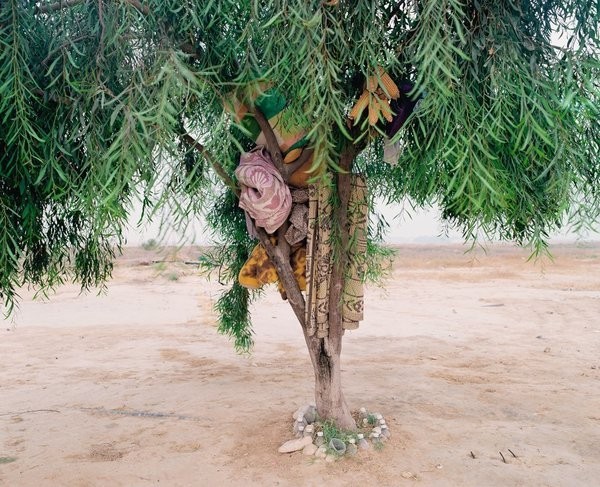 Ron Amir. Bisharah and Anwar’s Tree, 2015. From the exhibition titled Doing Time in Holot.
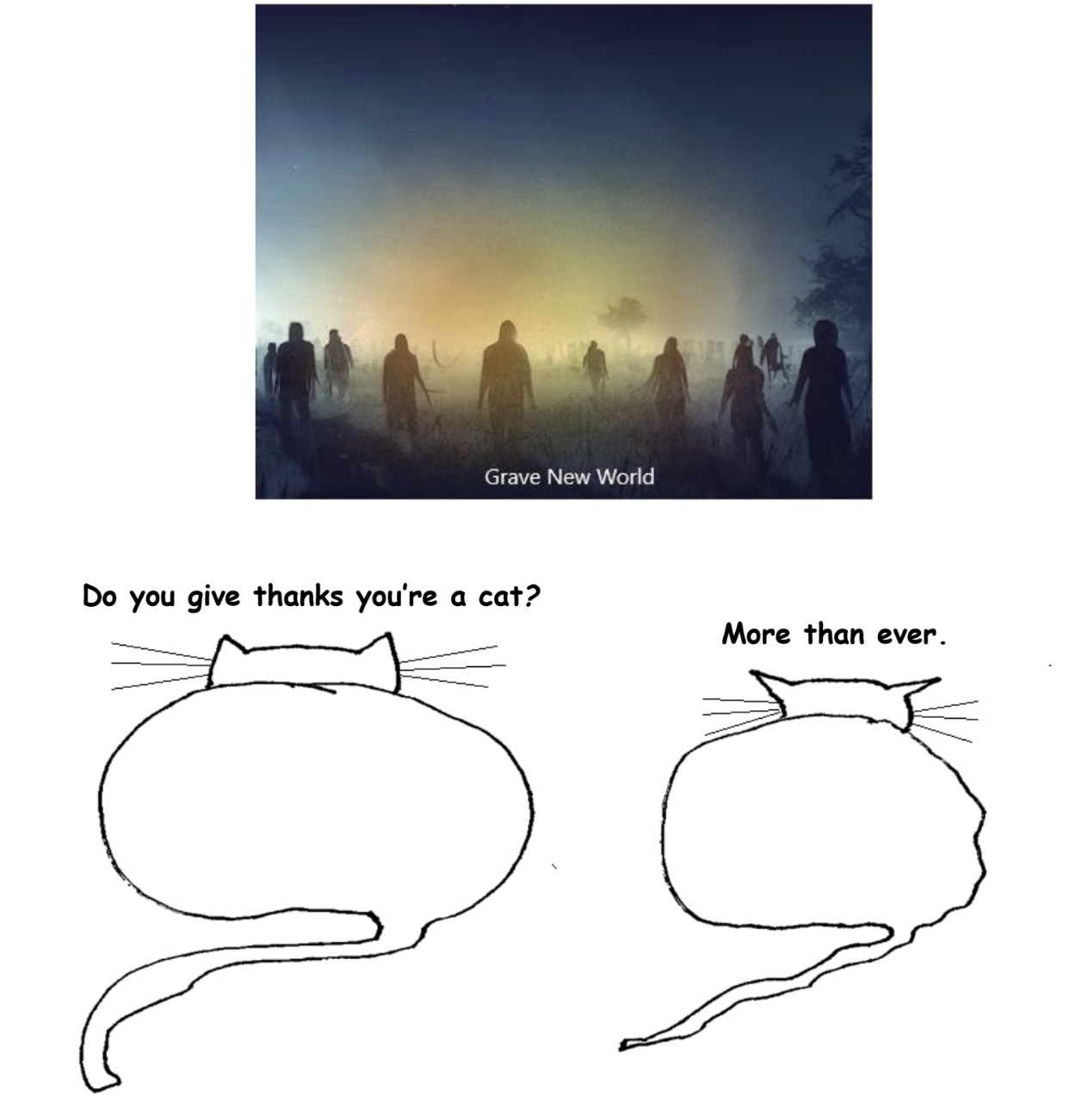
 You’ve always dreamed of foreign travel and you’re aware that there’s a long history of people doing it, and benefiting from it. But you live under a regime that closed the borders a couple of generations ago, at the same time criminalizing the act of researching potential destinations. (Many countries were dangerous, they said, and some tourists were coming home with tie-dyed shirts and peculiar ideas.) To protect the vulnerable, a War on Travel was announced. In the years since, you have grown up with little more than rumors of other cultures, climates, cuisines.
  Artificial intelligence – AI – is hot right now, and its hottest part may be fear of the risks it poses. Discussion of these risks has grown exponentially in recent months, much of it centered around the threat of existential risk, i.e., the risk that AI would, in the foreseeable future, supersede humanity, leading to the extinction or enslavement of humans. This apocalyptic, science fiction-like notion has had a committed constituency for a long time – epitomized in the work of researchers like