by Richard Farr
On a road trip once, navigating a deliberately eccentric route from Houston to El Paso, I was enjoying the emptiness — rocks, ravines, three other vehicles per hour — when I spotted something alien and odd. On a ridge to the northwest two monstrous hard-boiled eggs sat fresh-peeled and gleaming. It might have been a witty installation by Claes Oldenberg. I stood by the car in the brick-oven heat and peered at my paper map.
The ridge was part of the Davis Mountains; the eggs were the U of T’s MacDonald Observatory. I pulled into the parking lot just as a tour group emerged from a purple van. Their bumper sticker said ASTRONOMERS DO IT ALL NIGHT. They looked like extras from a movie about the glory days of the Apollo program. One of the men actually had a buzz cut, a pocket protector, and eyeglasses mended with tape; it might almost have been cosplay, but wasn’t.
One of the resident gazers gave us an al fresco lecture. The astro-tourists didn’t ask him which end of the telescope was which. They asked about precession, and how to collimate the mirror in a large Dobsonian, and how to get the best out of deep-sky subjects with hydrogen-alpha filtering. One of them mentioned the Veil Nebula; others nodded sagely and proffered advice on best practices for capturing the Rosette, the Tarantula, the Horsehead. They discussed how to star-hop from M-this to NGC-that as if comparing routes to Albuquerque. Our guide warmed to them, digging deeper into his expertise, tossing off references to Fraunhofer lines and Cepheid variables.
It was unexpected and strangely exhilarating to find this intense, quirky, intelligent inquiry, naïve inquisitiveness in the noblest sense, in the emptiest reaches of Texas. In universities, in the urban wilderness, you sometimes meet people like this. Just for the jazz of it they’re retranslating Hölderlin’s poetry or trying to prove Goldbach’s conjecture or performing Palestrina on the original instruments. Read more »
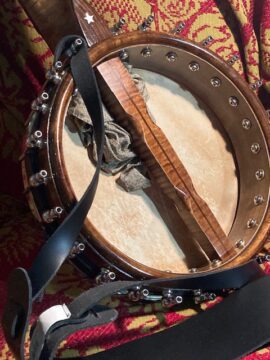

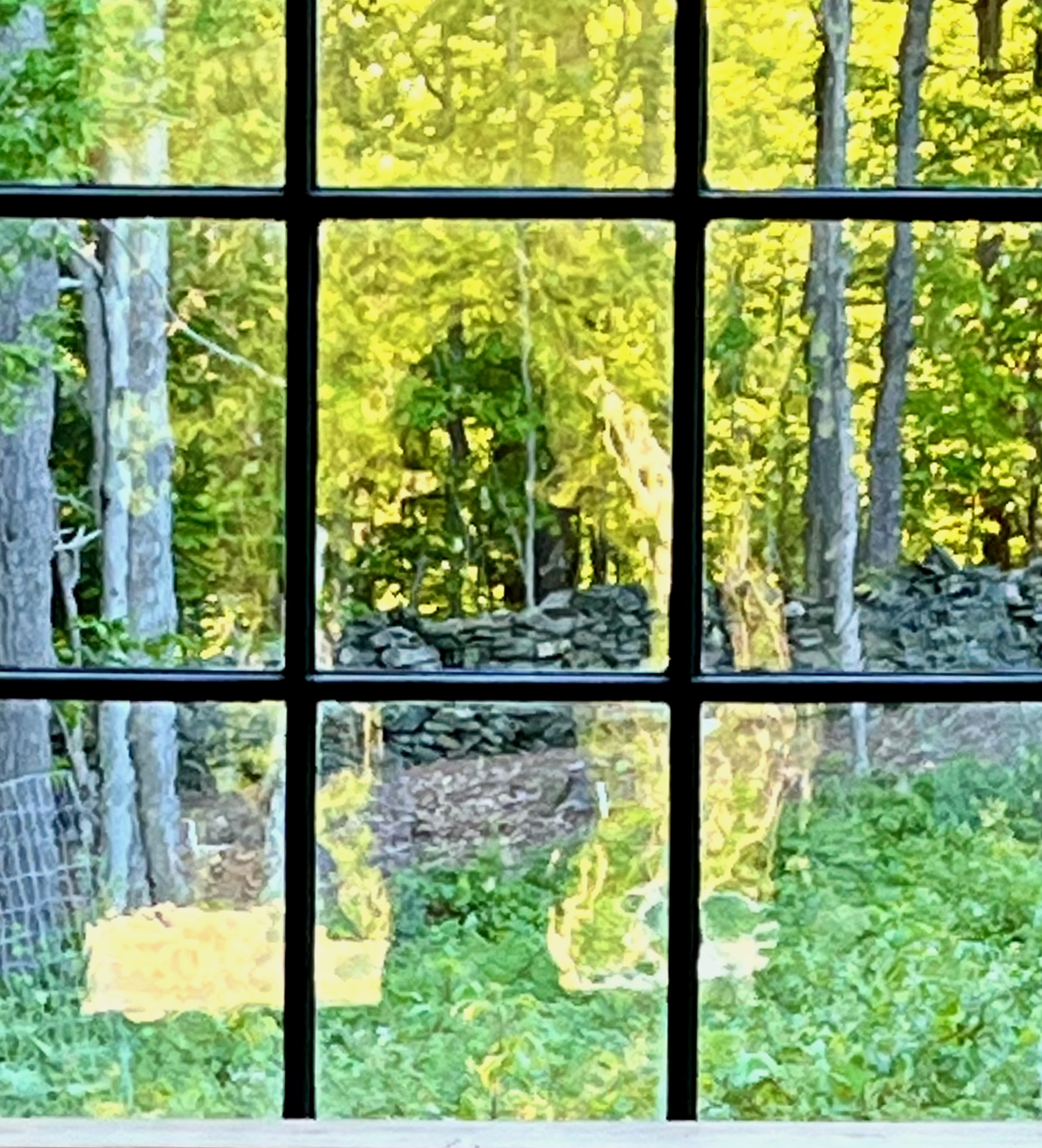 Sughra Raza. Self Portrait in Early Summer, May 2024.
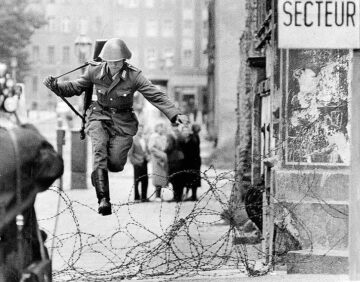
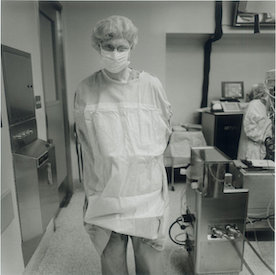
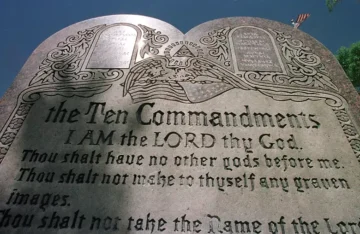 In 1762, Jean-Jacques Rousseau prophetically declared that “we badly need someone to teach us the art of learning with difficulty.” Two hundred and fifty years later, Rousseau’s words seem clairvoyant in their relevancy to schooling in the United States. Education has come to the forefront of the array of issues emerging in the post-Covid era. The abandonment of the alphabet soup of standardized tests, student reliance on Chat GPT, and rampant grade inflation all point to a wider problem. And though some politicians see the Ten Commandments as the solution to classroom troubles, universal progress toward a real solution seems far away. Not that some don’t try.

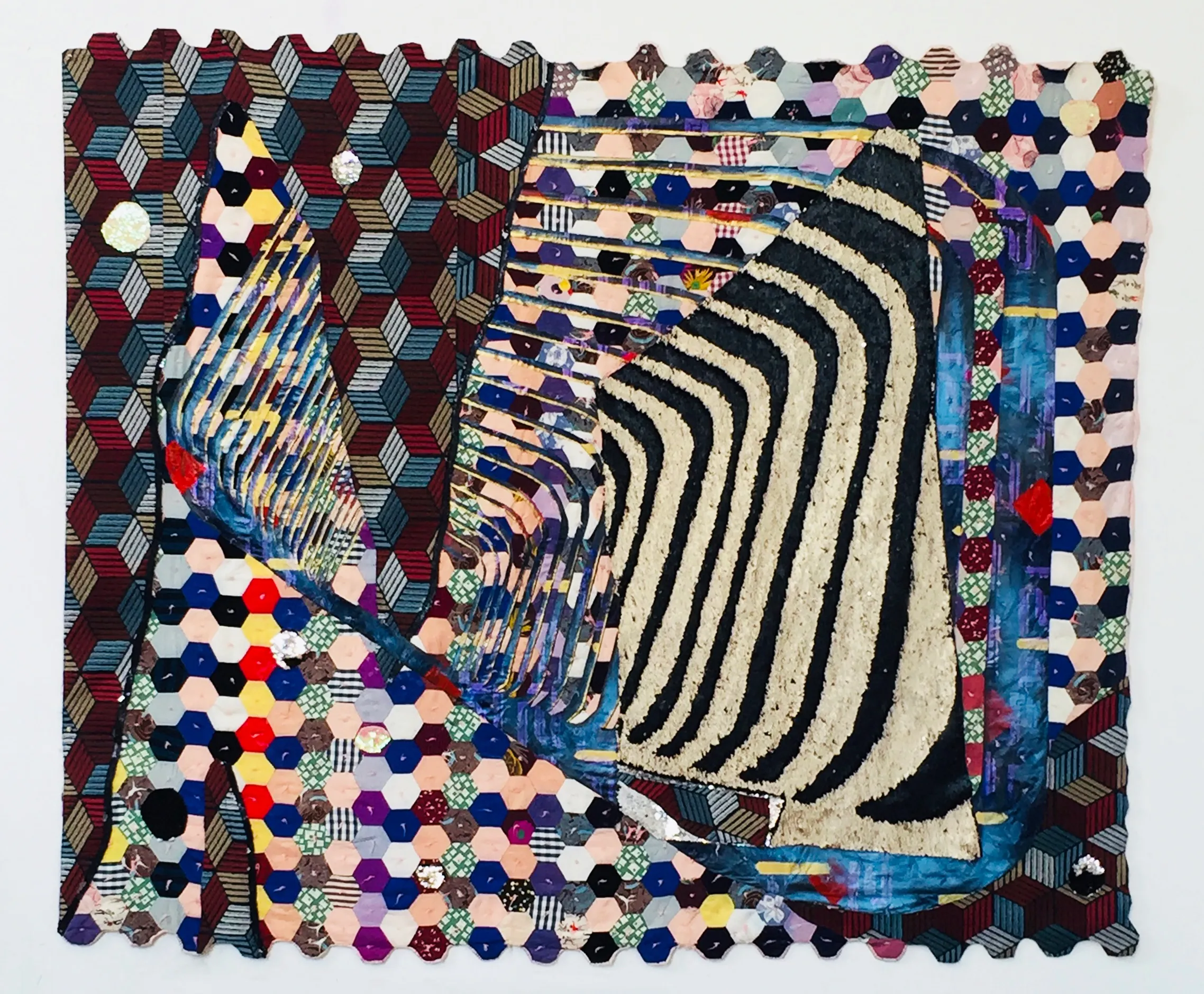 Sanford Biggers. Transition, 2018.
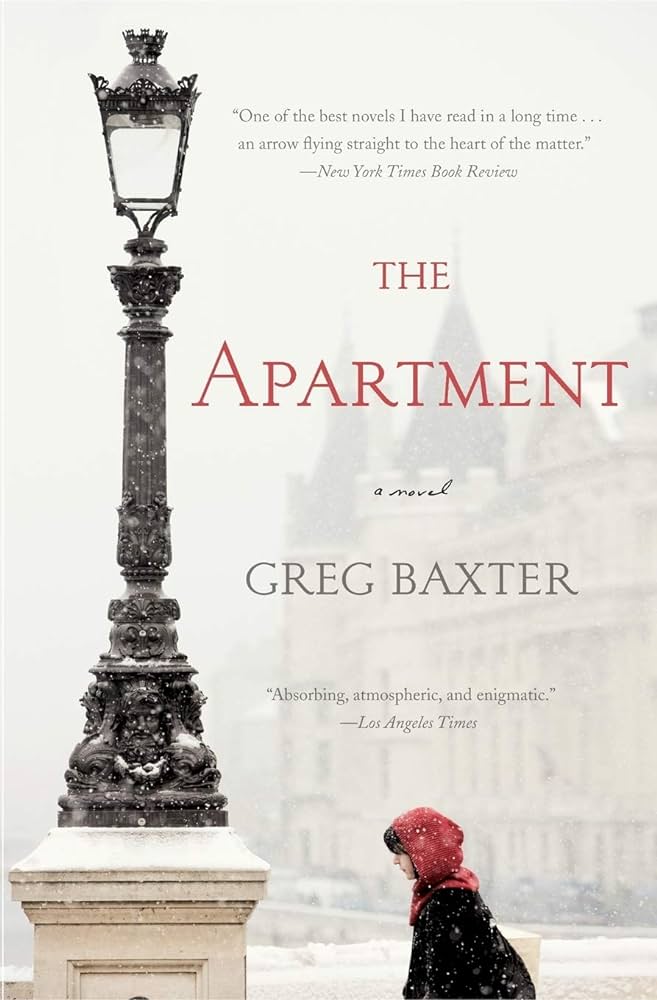 Have you ever read a book that you thought you were going to write? A book that captures something you’ve experienced and wanted to put into words, only to realize that someone else has already done it? The Apartment by Greg Baxter is that book for me.