by Kevin S. Baldwin
One of the little-known delights of the Midwest is pioneer cemeteries. These are burial places dating from the late 18th century to the early years of 20th century, during the period of westward territorial expansion.
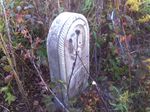
Like many people, I find cemeteries to be places that promote contemplation at many levels, the most obvious being one's own mortality. Unavoidable, but perhaps best not to dwell on. Another level is on the mortality of the people buried there. The typical ages at death, and high child and infant mortality rates are major reality checks on just how unusual the period that we in the first world enjoy today is: But for vaccinations and antibiotics many of us would be under the sod ourselves.
I like to focus on how these people lived rather than how they died. As I read their headstones, I wonder, what events encompassed their lives? What, if anything, did they read besides the Bible? How did they prosecute a daily existence in this area, through subzero winters and blazing hot summers? If they were immigrants, what was their voyage to the New World like? What did they bring with them? What did they leave behind? There are a couple Civil War casualties. Sons, daughters, husbands, wives, brothers, sisters, elderly, adults, teens, children, infants, and so on,…
At yet another level it is easy to get wrapped up in the craftsmanship evident in the carving of the headstones: The fonts, the epitaphs, and the iconography are all fascinating. The range of size and quality of the stones is also quite extraordinary.