by Leanne Ogasawara


Acre is the smell of iodine and spices. Haifa is the smell of pine and wrinkled sheets. Moscow is the smell of vodka on ice. Cairo is the smell of mango and ginger. Beirut is the smell of the sun, sea, smoke, and lemons. Paris is the smell of fresh bread, cheese, and derivations of enchantment. Damascus is the smell of jasmine and dried fruit. Tunis is the smell of night musk and salt. Rabat is the smell of henna, incense, and honey….
Each somehow singular, that cities have their own distinct and discrete smells, weather, feeling, music and mood is something immediately discernible to anyone who travels around the cities of India; of Southeast Asia; of Europe where –despite close proximity, the cultures/spirits/aurae/airs/colors– are so incredibly and beautifully different. Smells especially can so vividly evoke–or even “capture”– the spirit of a city; so that, as Darwish goes on to say, A city that cannot be known by its smell is unreliable.
So what of Indian cities? For me, Srinagar was perfumy: floral from flowers in bloom in gardens scattered around the city. But also it was the smell of sewage coming from the lake. Cardamom and spicy Kashmiri chai too. Delhi back then smelled sweet from the burning dung fires; smelled of exhaust too–even way back then. Shimla was freshly baked bread and heavenly deodar forests.
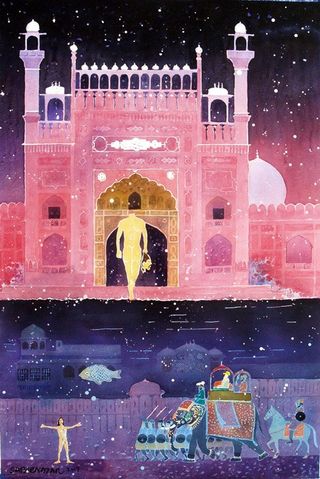
I still regret not making it to Lahore –for it must have been the most fragrant city of all. “Pearl of the Punjab” and “Paris of the East”–what does a nation do upon losing a city so perfumed in history as that one?
I just read an interesting essay by Vinayak Bharne called, “Anointed Cities.” It's such a great title, and the essay illuminates in just a few short pages something that is in many ways perhaps unique to the sub-continent. Typically, when we look at the history of cities, we find that they come into being for two main reasons: either for commercial reasons as place for trade (this was particularly so of the earliest ancient cities) or for political or even geopolitical reasons, as places for kings to better hold power. This is no different in India, but according to Bharne, India also has a history whereby small, wayside places of worship became the impetues for urbanization.