by James McGirk
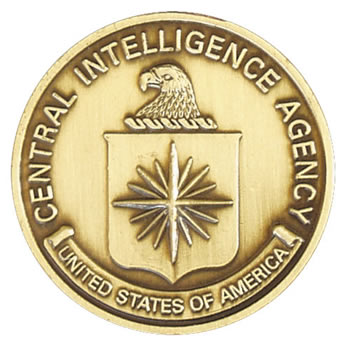
I asked Patrick if there was anything particularly useful he could pass on to me “about the CIA.” “The first thing to remember is that nobody connected to the Agency calls it the CIA. It’s plain CIA.”
—Harry Mathews, My Life in CIA.
Given that bamboozlement is essentially an operational mandate for an intelligence agency, one wonders whether there might be something else going on. John le Carré called this addictive haze of paranoia the “Great Spy’s Dream.” Writing for the New Yorker in 2008, le Carré reflected on his first clandestine mission, a meeting with a Czechoslovakian double agent that was casually aborted when le Carré’s Browning automatic slipped from his waistband and dropped to the floor of an Austrian bar. Le Carré wonders whether his case officer might have invented the entire operation, “his composure astonished me. Not a word of rebuke.” Le Carré diagnoses a kind of delusional paranoia from the incident, “a condition that in the spook world, rather like a superbug in a hospital, is endemic, hard to detect, and harder still to eradicate.” He sees it contaminating the Iraq Dossier, pushing intelligence officers to produce the slam-dunk evidence for the Iraq War, and all because we, the public, want to believe in our spies, “no matter how many times they trip over their cloaks and leave their daggers on the train.” Yet something is going on out there.
Every American agency that employs someone other than a security guard to carry a gun has an unofficial fan club, with a character that is a funhouse reflection of its parent bureaucracy’s. The Defense Advanced Research Projects Agency (DARPA) the agency that built the Internet and invented stealth technology and god knows what else, attracts futurists with a sinister side, while the Bureau of Alcohol, Tobacco and Firearms attracts gun geeks and inveterate smokers, while the U.S. Border Patrol’s various fan clubs are slightly xenophobic and frankly downright hysterical. The web is riddled with chat-rooms, archives and clipping services discussing the minutia of these agencies. They come in all flavors though there is a definite paranoid crunch to most of them. A left-leaning paranoiac interested in intelligence might be drawn to Cryptome.org, a storehouse of sinister government documents that predates Wikileaks, while his or her rightwing counterpart might visit a site like AmericanBorderPatrol.com. Belonging to and participating in these sites must be a sort of wish fulfillment. Particularly since the agencies with the most pull on the imagination belong to America’s intelligence community, especially Central Intelligence or CIA.