by Shadab Zeest Hashmi
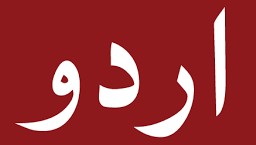
Urdu, a hybrid, hangs between its many “parent” languages, between the divergent cultures and histories of its speakers— the people of the Indian subcontinent; it hangs between the imperial past of Indian Muslims who ruled India for a millennium, and their unique partitions post-Raj (British rule: 1857-1947), their new identities in our times as India, Pakistan, Bangladesh. As the state language of Pakistan, Urdu hangs between the educated and the unlettered, between regional culture and ruling culture, between serving the immediate function as a communication tool for people of different provinces (with their own linguistic traditions and literatures) and the civilizational function of tethering the heritage of a millennium-long imperial culture to Pakistan’s evolving identity. It hangs ready to pollinate new time with old time.
“Urdu,” a variant of the Turkic “Ordu,” meaning “camp” or “army,” evolved due to the mixing of languages by soldiers employed in the extensive military of the Muslim empires of India (711-1857). Native speakers of North Indian languages as well as Persian, Arabic, Turkic Chagatai and others (English among them) were part of the army and the court, as various Muslim dynasties themselves came from different linguistic backgrounds and constantly imported not only soldiers, but scholars, builders and artisans from neighboring regions. A language with many dialects in the early phases of its formation, Urdu developed over centuries and came to find somewhat of a standardized form around the seventeenth century.