by Emrys Westacott
Earlier this month I visited Florida for the first time in my life, staying for a few days with relatives who own a house in Vero Beach on the Atlantic coast. The good company, mild January weather, enjoyable outings and excellent grilled fish dinners made for a pleasant trip. My brief glimpse of this bit of the country was also most thought-provoking.
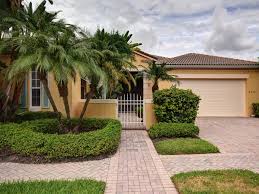
The house we stayed in is situated in a gated community, an extensive complex of large detached houses, each one different, but all built in a similar style surrounded by similar, highly kempt, low-maintenance landscaping–palm trees, shrubs, spiky green grass, brown bark mulch. Nearby are tennis courts for use by community residents. The gates to the complex are set back from a busy main road. Residents open them by punching a pass code into a machine at the entrance. Across the road is another set of gates leading to a private beach, also for the exclusive use of the community's residents.
One afternoon we took a walk along this beach, which was long, narrow, straight, and largely deserted. Big handsome waves came churning in, but no-one was to be seen swimming, or paddling. Nor were there any children playing on the sand. Not a bucket or spade in sight.
On another occasion I strolled all around the complex, exploring every cul-de-sac that branched off from the principal street. It was certainly peaceful. The speed limit throughout is 15 mph, and the few cars that passed me were sticking to that. There were hardly any other people on foot: in the course of an hour I encountered only one or two. And strangely, given the number of trees, I neither saw nor heard any birds. Not far away is the Pelican Island National Wildlife Refuge which we visited one morning to observe pelicans, herons, egrets, and cormorants. But here among the houses there seemed to be no birdlife at all. Perhaps it was the time of day, or the time of year. Perhaps the birds didn't have the pass code needed to enter the complex. Or perhaps it was connected to the pesticide warning signs that dotted the lawns throughout.