
by Akim Reinhardt
Stuck is a weekly serial appearing at 3QD every Monday through early April. The Prologue is here. The table of contents with links to previous chapters is here.

Charles Lutwidge Dodgson was an odd fellow who eventually became someone else.
Born in 1832, he was the fourth of twelve children, and descended from a long line of English soldiers and priests all named Charles Dodgson. His parents were first cousins. He stuttered. A childhood fever left him deaf in one ear. As an adult he would suffer from migraines and epilepsy.
At age 12 he was sent away to school. He hated it. Still, he aced his classes and went on to Christ Church College in Oxford. He did not always apply himself, but nonetheless excelled at mathematics and eventually earned a teaching position. He remained at the school for the rest of his life.
Dodgson was conservative, stuffy, and shy. He was awed by aristocrats and sometimes snobbish to his social inferiors. He was mildly self-deprecating and earnestly religious. He had a reputation for being a very good charades player. He invented a number of gadgets, including a stamp collecting folder, a note taking tablet, a new type of money order, and a steering device for tricycles. He also created an early version of Scrabble. He liked little girls.
Dodgson enjoyed photographing and drawing nude children. He never married or had any children of his own. Whether his affection for pre-pubescent girls was sexual, or merely tied to Victorian notions of children representing innocence, is still debated. In the prime of his adulthood, one girl in particular caught his fancy: eleven year old Alice Liddell.
Dodgson spent much time with the Liddell family. A favorite activity was taking Alice and her two siblings out on a rowboat, where he would tell them stories. Alice so enjoyed the stories that she begged Charles to write them down. He presented her with a handwritten, illustrated collection in 1864. He called it Alice’s Adventures Underground. Read more »
 The case for men’s rights follows straightforwardly from the feminist critique of the structural injustice of gender rules and roles. Yes, these rules are wrong because they oppress women. But they are also wrong because they oppress men, whether by causing physical, emotional and moral suffering or callously neglecting them. Unfortunately the feminist movement has tended to neglect this, assuming that if women are the losers from a patriarchal social order, then men must be the winners.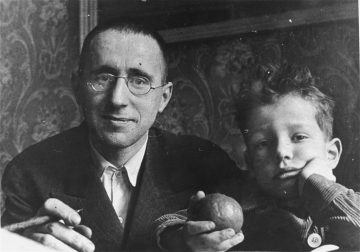


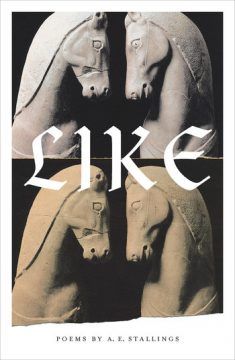
 Some months ago, on a sunny Sunday afternoon, I went to my bank’s ATM in the main market close to where I live in the Defence Housing Authority, Lahore’s latest fancy suburb, which is organized and managed by the military.

 The wine community is often accused of being snobby and elitist. The language used to describe wine is one source of this innuendo. Although most people have become accustomed to the fruit descriptors used in wine reviews, when wine writers wax poetic by describing wines as “graphite mixed with pâte de fruit”, even
 I first heard Motörhead in 1988. I was a DJ at
 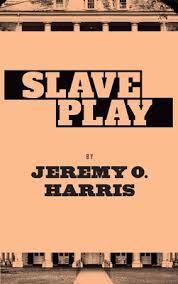 Jeremy Harris is a dark and stormy cocktail of Dave Chappelle, Augusto Boal, Boots Riley, and James Baldwin. The dark comedic energy that drives Slave Play, Harris’s provocative Broadway show about racism, sex, kinky fetishism, white supremacy, interracial relationships, slavery, the Antebellum South, post-colonialism, and psycho-sexual drama therapy, is the sort that makes you cry while laughing, tremble with anxiety, giggle from embarrassment, and question the sources of your own laughter. Slave Play riffs darkly on how black and white people in America live intimately together yet are essentially apart. Carrying the historical burdens of slavery and white supremacy into the 21st century, Harris shines a dark therapeutic light onto areas of our racial relations that are vibrating with pain and festering with pleasure.
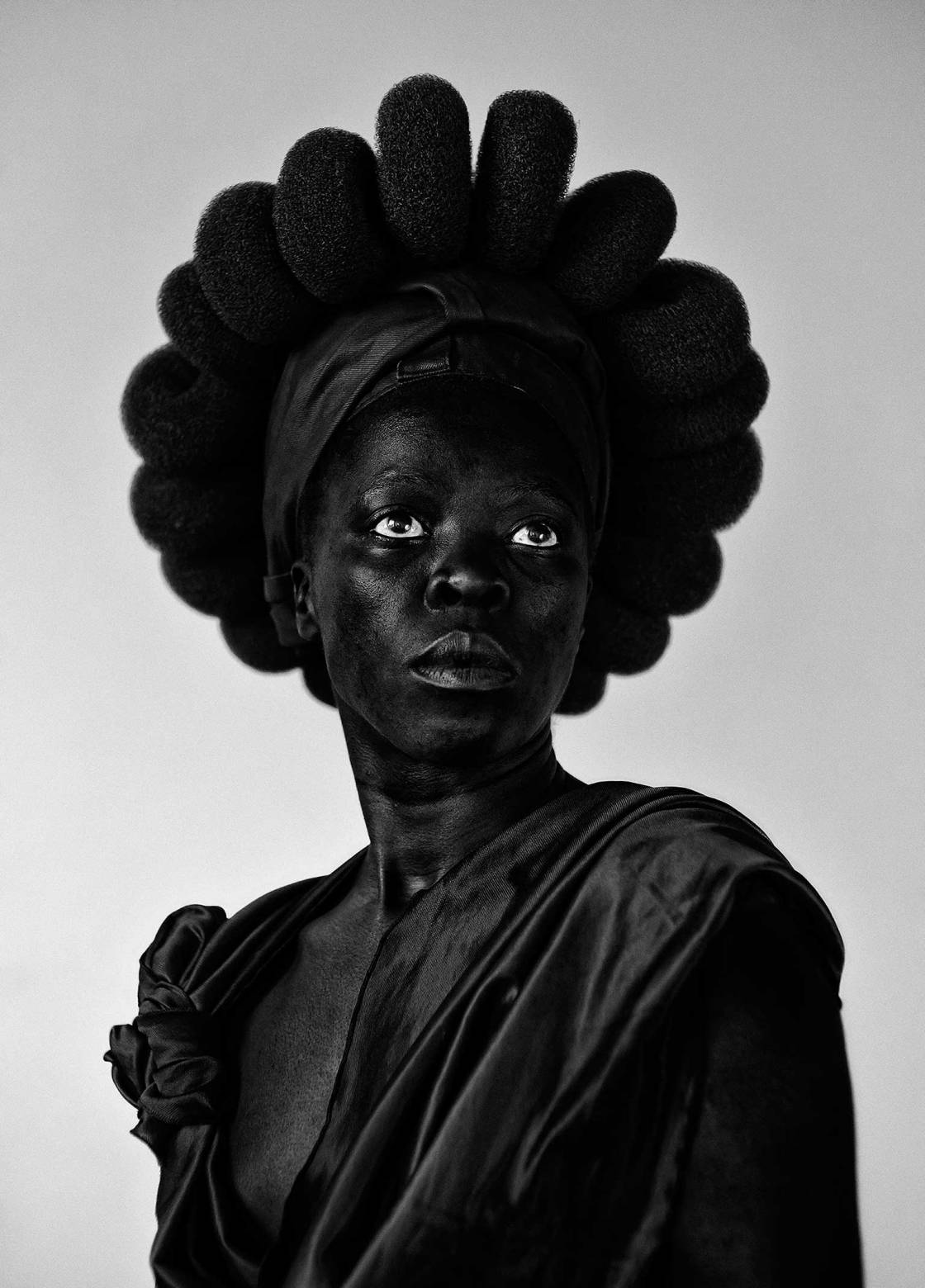 Zanele Muholi. Ntozakhe II, Parktown, Johannesburg. 2016.
 Yesterday was James Joyce’s birthday. His one-hundred-and-thirty-seventh. Or would have been, if he hadn’t died, in Zurich, in January 1941, but were instead swelling the ranks of the current generation of supercentenarians, their increasing longevity bedeviling the demographics departments of local life insurers. Joyce is buried in Fluntern Cemetery on Mount Zurich, his grave marked by a wry-looking seated effigy, like a jocular, unaccommodated Lincoln Memorial; he is further commemorated in the eccentric orthography of the names of the city’s two rivers, the Limmat and the Sihl, in a plaque mounted on the point at which they diverge downstream from the Swiss National Museum, where the letter “i” in both names has been replaced with a “j”.