Dr. Patrizia Paterlini-Bréchot is a tenured Professor of Cell and Molecular Biology and Oncology at Paris Descartes University and head of a research team at the French National Institute of Health and Medical Research (INSERM). She studied medicine at the University of Modena and Reggio Emilia, where she specialized in hematology and oncology. In 1988 she turned her focus on research in cell and molecular biology and published over 80 research articles and reviews in national and international scientific journals. She received numerous awards and honors including Best thesis in Medicine (1978), the Best research in Hematology (1979), Assistance Publique/Hôpitaux de Paris (1995, 2002), Technological development (2007), and European Inventor Award Finalist (2019). She is listed as an inventor on over 5 patents.
Azra Raza, author of The First Cell: And the Human Costs of Pursuing Cancer to the Last, oncologist and professor of medicine at Columbia University, and 3QD editor, decided to speak to more than 20 leading cancer investigators and ask each of them the same five questions listed below. She videotaped the interviews and over the next months we will be posting them here one at a time each Monday. Please keep in mind that Azra and the rest of us at 3QD neither endorse nor oppose any of the answers given by the researchers as part of this project. Their views are their own. One can browse all previous interviews here.
1. We were treating acute myeloid leukemia (AML) with 7+3 (7 days of the drug cytosine arabinoside and 3 days of daunomycin) in 1977. We are still doing the same in 2019. What is the best way forward to change it by 2028?
2. There are 3.5 million papers on cancer, 135,000 in 2017 alone. There is a staggering disconnect between great scientific insights and translation to improved therapy. What are we doing wrong?
3. The fact that children respond to the same treatment better than adults seems to suggest that the cancer biology is different and also that the host is different. Since most cancers increase with age, even having good therapy may not matter as the host is decrepit. Solution?
4. You have great knowledge and experience in the field. If you were given limitless resources to plan a cure for cancer, what will you do?
5. Offering patients with advanced stage non-curable cancer, palliative but toxic treatments is a service or disservice in the current therapeutic landscape?
 1. As the coronavirus continues to disrupt human life in many corners of the globe, a phrase from George Frideric Handel’s Messiah has wormed its way through the background noise of my attention span. It occurs in a Part III
 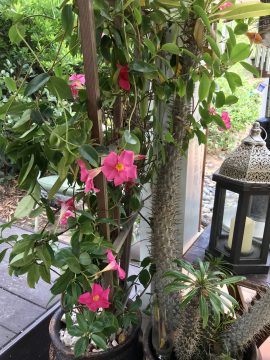 We get half a sunny day every other day since Corona has coaxed us to quit public spaces. In the past fortnight or so, sunlight has been in short supply just as masks, disinfectant spray and toilet paper. When the sun is out, it’s no ordinary gift; it brings a rush of joy that wipes out not only the free-floating, dystopic COVID -19 anxiety, but also the other recent traumas we’ve faced as a family. Indoors, socially-distant by three feet, hunched over our phones for news of loved ones, we forget it is spring, but mornings the sunlight hits the windows feel as if God has turned on the power-wash setting: one is shocked into vigor, tricked into optimism. On such a day, I step down the patio threshold as if pulled by a magnet; just out of the shower and still combing my wet hair, I’m suddenly aware of another gift— soap.

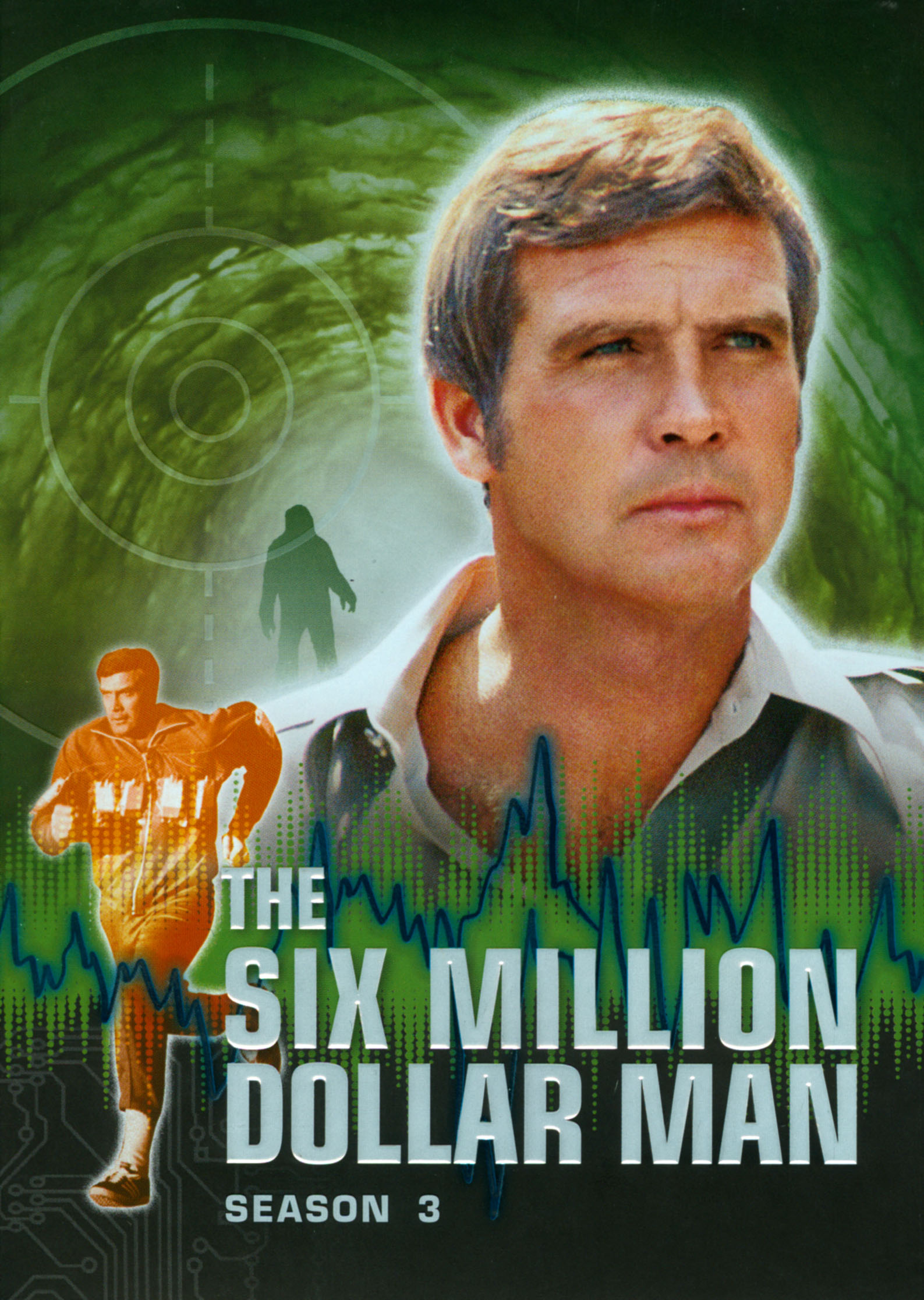 I was a minor mess in high school. Had no idea what to do with my curly hair. Unduly influenced by a childhood spent watching late ‘70s television, I stubbornly brushed it to the side in a vain attempt to straighten and shape it into a helmet à la The Six Million Dollar Man or countless B-actors on The Love Boat and Fantasy Island. I couldn’t muster any fashion beyond jeans, t-shirts, and Pumas. In the winter I wore a green army coat. In the summer it was shorts and knee high tube socks.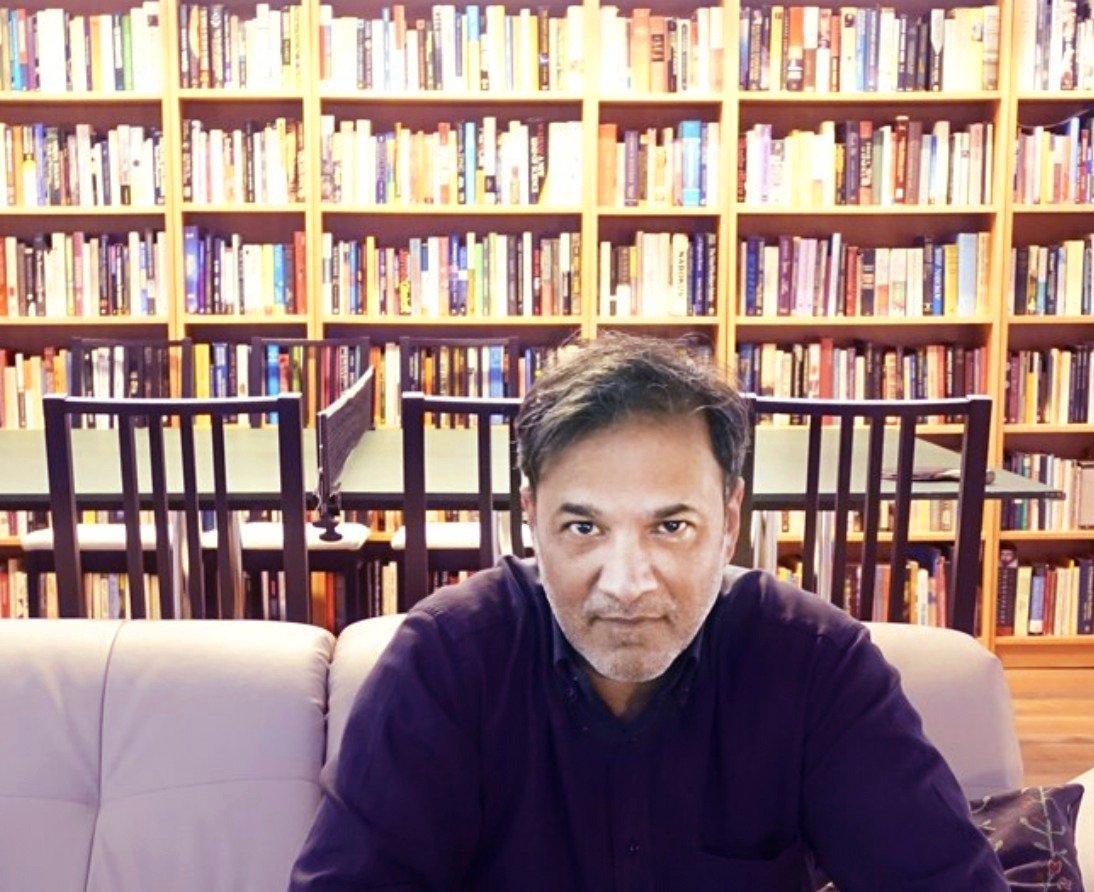
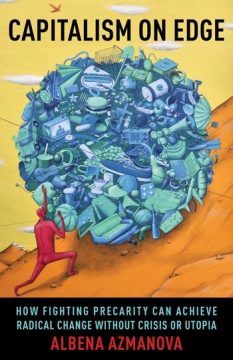 I must admit that when I first flipped through Capitalism on Edge: How Fighting Precarity Can Achieve Radical Change Without Crisis or Utopia by Albena Azmanova, it did not look too inviting. The blurbs on the jacket did nothing to reassure me, suggesting that this was yet another post-Marxist critique of greedy capitalists and their enablers. As it turns out, it is, but in a way that is more interesting than I had assumed. As soon as I started reading the Introduction, I was gripped by the lucidity of ideas and clarity of the prose. For an academic text written from the perspective of Critical Theory, this is a wonderfully direct, incisive and insightful book. One does not need to agree with all the details of the analysis to find reading it a rewarding experience.
 Sughra Raza. Mid-winter Fall. February 2020.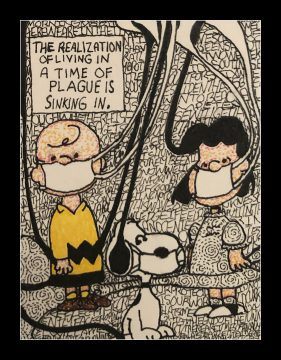
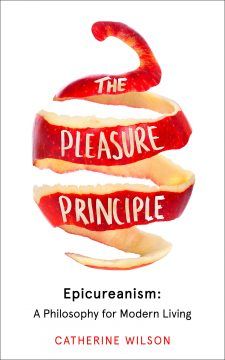 If you, like me, have read premodern philosophers not just for antiquarian interest but also as possible sources of wisdom, you will probably have felt a certain awkwardness. Looking for guidance or assistance in ordering our own beliefs, attitudes and actions, we inevitably run into the problem that the great thinkers of the past knew nothing about what our world would look like.