
by Thomas O’Dwyer
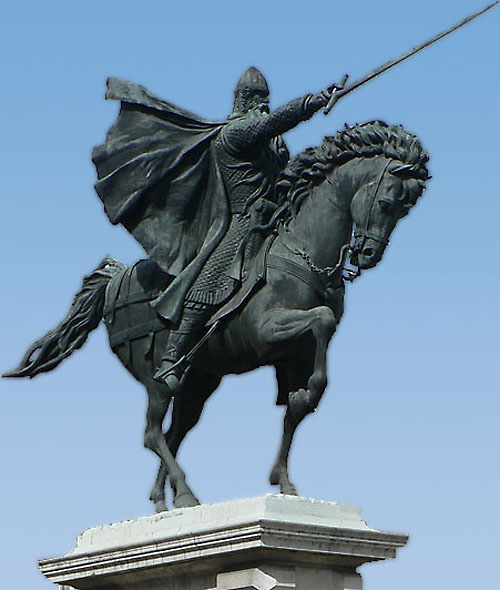
¡Buen Dios! Is it already 60 years since they filmed The Cid? A couple of weeks ago, I caught it again on Amazon Prime. All I remembered of first seeing it decades ago was the white-clad Cid thundering along Valencia beach, riding through the gates of history and into eternity, propped up dead on his beloved warhorse Babieca. Like a visit to a childhood home, the image proved to be grander in memory than in the rediscovered reality. Most of us ageing romantics prefer dreamy time-fixed images to duller realities. However, Anthony Mann’s cliche-soaked Tinseltown love story squeezed into medieval costume had first set me reflecting on the relationship between the visual and the verbal in our engagement with literature.
The noble Cid leading his warriors to battle even in death stuck at once in my mind as typical of elusive long-dead virtues I had been struggling to understand in the Greek and Latin texts pounded into our unwilling secondary-school heads. He had the virtutas of Aeneas, the arete of Achilles. I had seen the film of the Cid long before I came across The Poem of the Cid, translated from its 12th century Spanish and, though the two had little in common, the images I carried from the film lent some familiarity to the ancient tale. Likewise, I had less trouble with Virgil’s Aeneid because I had absorbed powerful images of the epic from, believe it or not, an English comic book. The weekly Eagle used to run stories from the classics in garish comic strips across its back page. It featured a vividly illustrated White Eagles Over Serbia, by Lawrence Durrell, for instance. I never got around to reading that book, but later read everything else Durrell wrote. Read more »

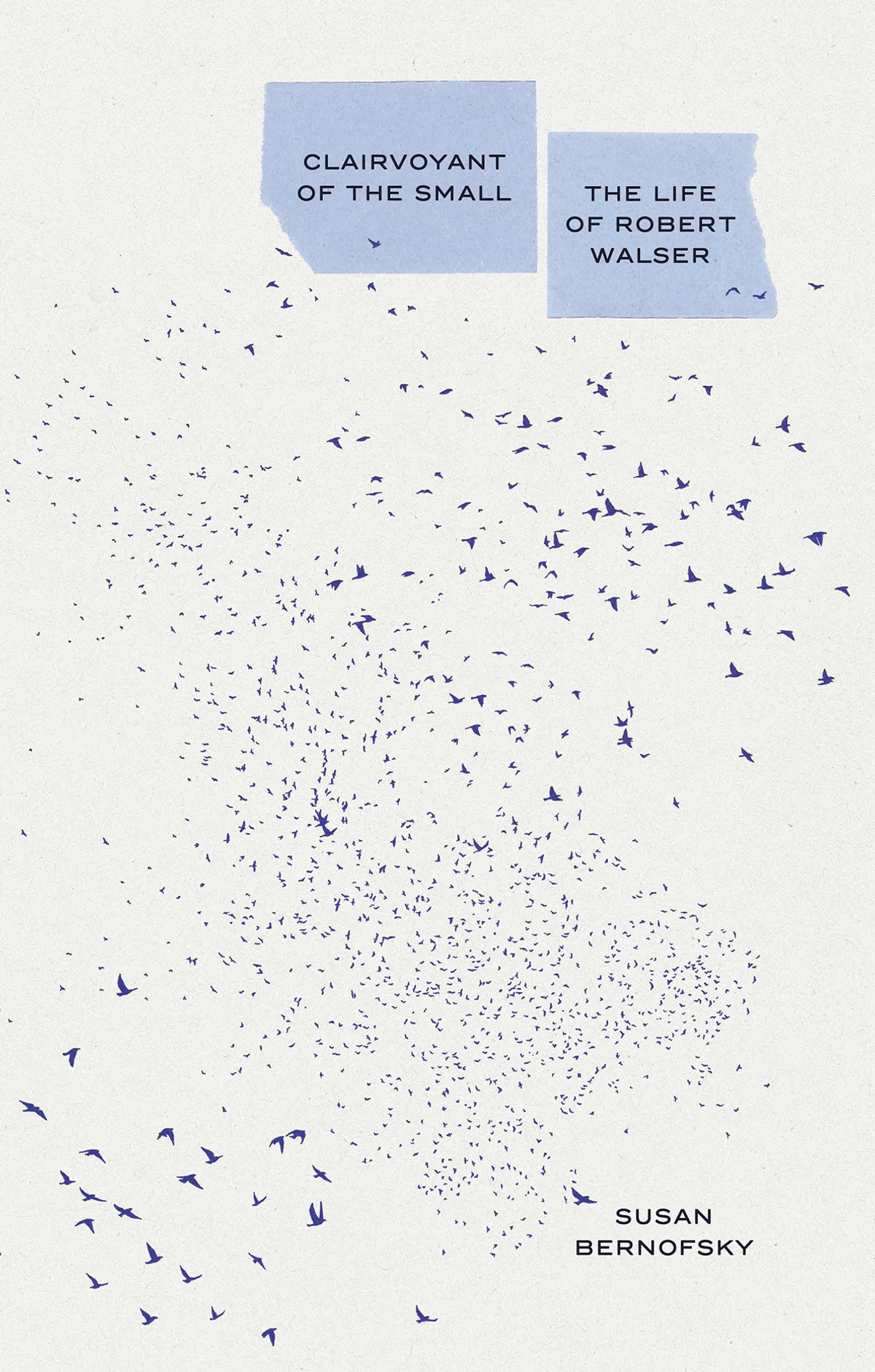 Clairvoyant of the Small, Susan Bernofsky’s long-awaited biography of the Swiss modernist writer Robert Walser, is erudite, painstakingly thorough, and sensitively written. Readers of Walser finally have a volume that connects the development of the writer’s work and its publishing history to the various episodes of his peripatetic adult life in the cities of Biel, Bern, Zurich, Berlin, and finally the sanatoriums in Waldau and later Herisau, where Walser—revered by Franz Kafka and Max Brod, Walter Benjamin, W. G. Sebald, and many others—presumably ceased writing altogether.
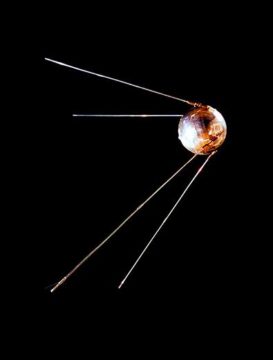
 Men have always wanted to fly to the moon and stars. We wanted to find out what was up there on the moon and planets? Was it heaven? Were there angels? Or were these worlds inhabited by strange creatures who built canals? We looked up, we used telescopes. We watched the stars and charted their movements. But we wanted to do more than look and imagine; we wanted to go up there and see for ourselves? The birds could fly, why couldn’t we?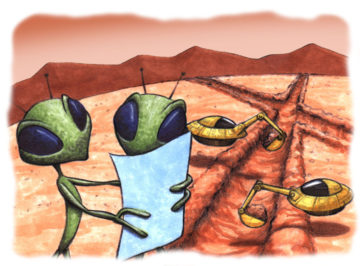
 My Presidency College friend Premen was always a voracious reader, particularly of political, social and military history. He often told me of new books in those areas and sometimes persuaded me to read them. But by the time I saw him again in Cambridge, I could see his slow turn from his fascination with Trotsky to Mao. This was in line with a general movement among the young in the European left around that time. Jean-Luc Godard’s 1967 film La Chinoise captured the restless energy of politically-activist students in contemporary France, foreshadowing the student rebellions in a year or so.
 Imagine a world where the prison population was a rough mirror of wider society. In such a world there is a similar spread of rich and poor, highly educated and less educated, as well as a roughly equal proportion of men and women and those from deprived areas and well-off areas. The proportions of different ethnic groups reflect those in the surrounding society, as does the age profile, and having a mental health problem bears no relation to the likelihood of being in prison, neither does being in care in any systematic way increase the chances of ending up as a young offender. In addition, there seems to be no pattern from year to year. Some years there are low levels of crime and in other years the crime rate jumps for no discernible reason. The random nature of the prison population is recognised as providing good evidence for the belief that criminality is simply a result of individuals using their free will to make bad decisions, since we are all equally capable of this. After all, it could be argued, everyone is equal in possessing free will, and crime is a conscious and fully autonomous act in which social and psychological conditions play little part. Anyone, the argument goes, can be selfish or greedy and so succumb to criminality. In such a world, the general view is that prison exists to teach these individuals the error of their ways by providing them with extra motivation to retain their self-control next time temptation beckons.
 I went to France to study abroad as a 20-year-old in my third year of university. At the time, I had been studying French for eight years, but when I arrived in France, I found I was unable to express myself beyond the most rudimentary statements, and I couldn’t understand the rapid-fire questions sprayed at me by curious French students. After attending a dorm party that first weekend, I realized the gap between myself and the French students was simply too large to bridge; the most I could hope for from them was small talk and polite chatter—deep, meaningful conversation, and thus friendship, would be impossible.
 Upton Sinclair famously remarked that “it is difficult to get a man to understand something when his salary depends on his not understanding it.” It is easy to imagine the sort of scenario that illustrates his point. A drug company rep works to increase how often a certain drug is prescribed, putting aside any worries that it is addictive. A video game designer seeks to increase the number of hours young players spend hooked on a game, not thinking about the impact this might have on their education.
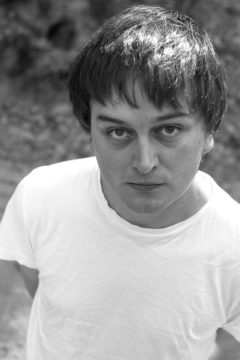 “People in the know know him.” That’s what his English translator, Peter Constantine, told me. Grzegorz Kwiatkowski is becoming an important poetic voice from today’s Poland, with six volumes of poetry, and translated editions on the way. His translator added, “He has a strange poetic voice, very original and stark.”