by Fabio Tollon 
In a previous article I argued that, when it comes to our moral appraisal of emerging technologies, the best normative framework to use is that of virtue ethics. The reasons for this were that virtue ethics succeeds in ways that consequentialist or deontological theories fail. Specifically, these other theories posit fixed principles that seem incapable of accommodating the unpredictable effects that emerging technologies will have not only on how we view ourselves, but also on the ways in which they will interact with our current social and cultural practices
However, while virtue ethics might be superior in the sense that it is able to be context sensitive in way that these other theories are not, it is not without problems of its own. The most significant of these is what is known as the ‘situationist challenge’, which targets the heart of virtue ethics, and argues that situational influences trump dispositional ones. In this article I will defend virtue ethics from this objection and in the process show that it remains our best means for assessing the moral effects of emerging technologies.
So, what exactly is the situationist challenge contesting? In order for any fleshed-out theory of virtue to make sense, it must be the case that something like ‘virtues’ exist and are attainable by human beings, and that they are reliably expressed by agents. For example, traits such as generosity, arrogance, and bravery are dispositions to react in particular ways to certain trait-eliciting circumstances. If agents do not react reliably in these circumstances, it makes little sense to traffic in the language of the virtues. Calling someone ‘generous’ makes no sense if they only acted the way that they did out of habit or because someone happened to be watching them. Read more »
 A couple of weeks ago, the main healthcare provider in my city sent me a newsletter. One of the items was a brief blurb about how laughter is good for you, with a link to “Learn More About the Benefits of Laughter.” No! If you think laughter is good for our health, link to a video of a cat riding a Roomba or bear cubs on a hammock. I might click through to see those; I might even laugh. I’m not going to look at an article about the benefits of laughter, because it will become another open tab, a nagging chore, an obligation that stands between me and the conditions for laughter.
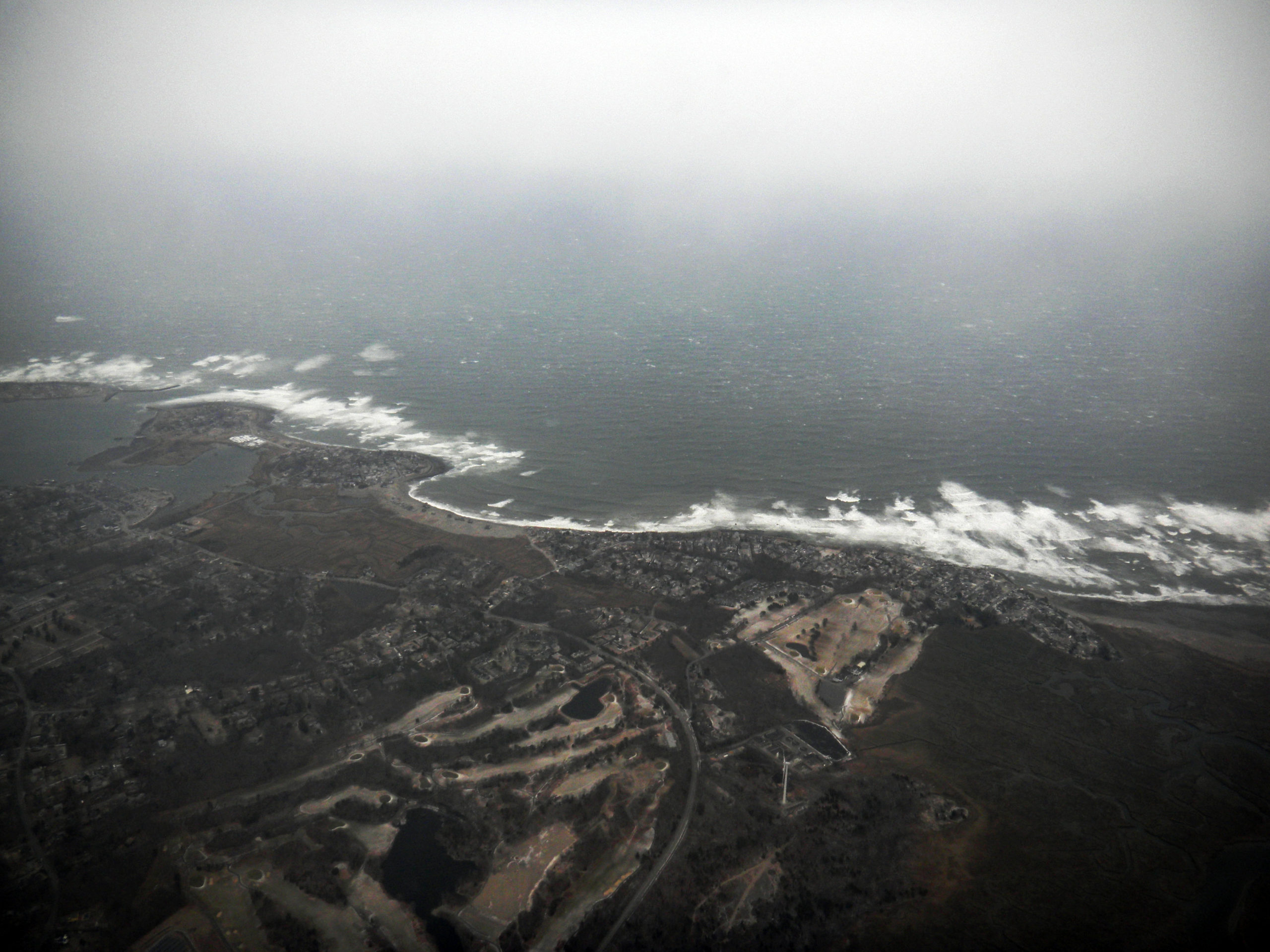 Sughra Raza. Mood … , Our Pale Blue Dot.
 In both ISI and DSE there was one problem I faced in my research that was something I did not fully anticipate before. Some of the major international journals had a submission fee for research papers which was equivalent to something that would exhaust most of my Indian monthly salary. In the US authors mostly charged the fee to their research grants, which was not a way out for me. I once wrote about this to the Executive Committee of the American Economic Association (AEA), and suggested that for their journals they should have a lower rate for authors from low-income countries. I got a reply, saying that after careful consideration in their Committee meeting they had decided against my suggestion. Their rationale was a typical one for believers in perfect markets: since an article in an AEA journal was likely to raise significantly the expected lifetime earnings of an author, the latter should be able to finance it. (I visualized the dour face of an Indian public bank loan officer trying to comprehend this).
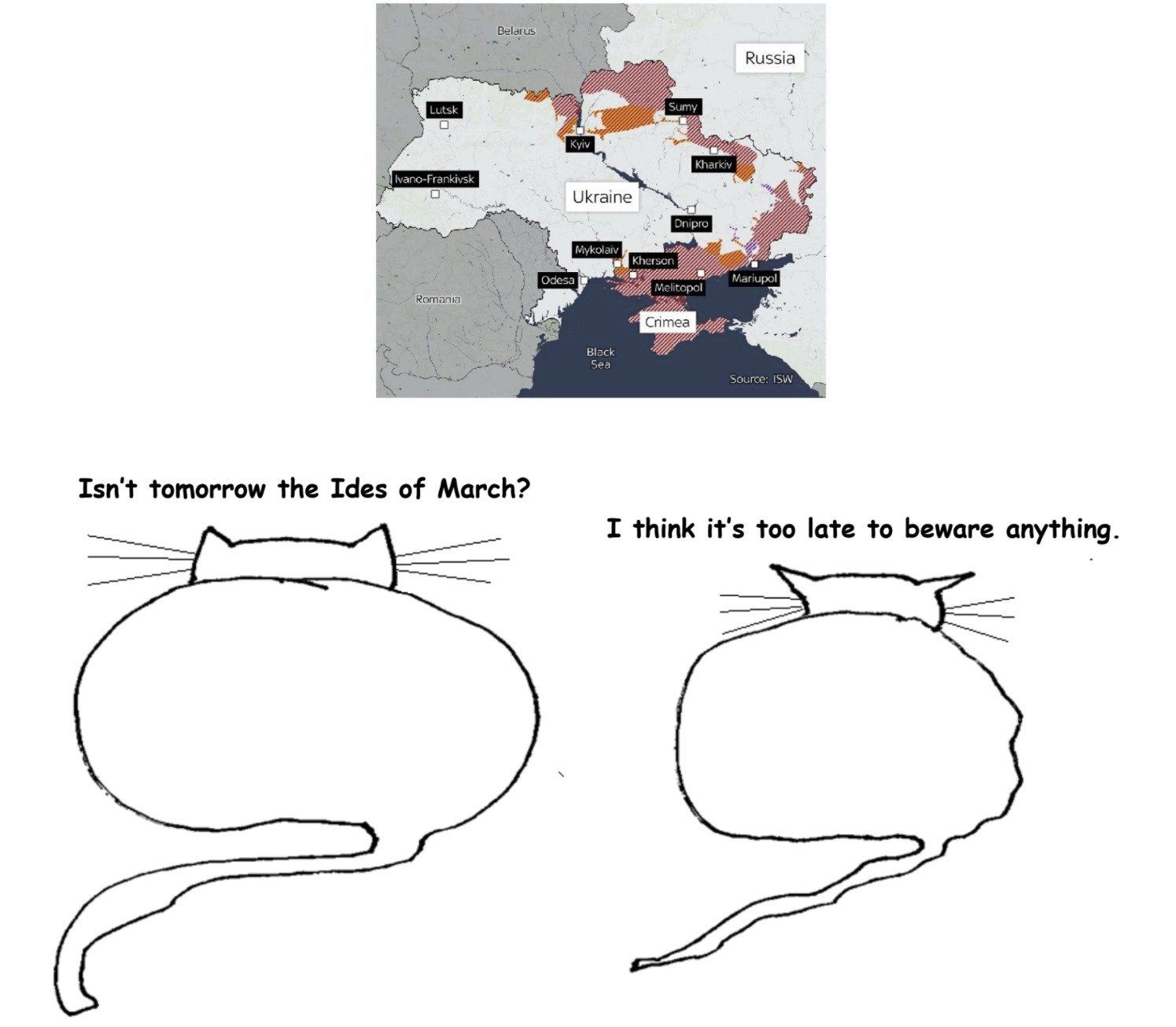
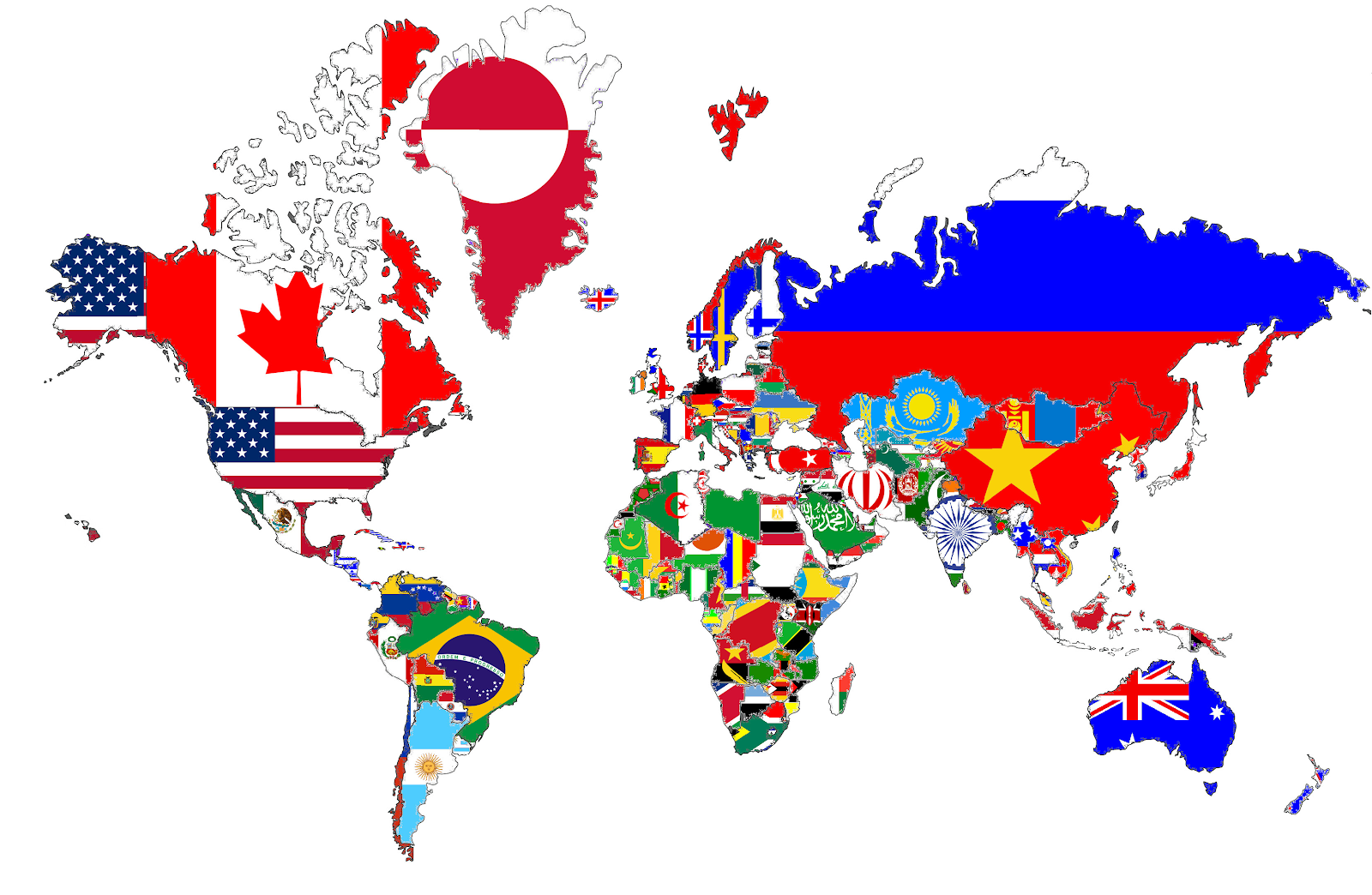
 Vladimir Putin’s decision to invade Ukraine is clearly a historically momentous event, already appearing to cause a seismic shift in the geopolitical landscape. What the long-term consequences will be are hard to say. The most obvious losers are the millions of Ukrainians–killed, injured, bereft, and displaced–who are the immediate victims of Putin’s onslaught. The most likely winner will probably be China, on whom Russia is suddenly much more economically dependent due to the sanctions imposed by the West, and who can therefore now expect Putin to dance to whatever tune it whistles.
 The Ouvroir de Littérature Potentielle (Workshop of Potential Literature), Oulipo for short, is the name of a group of primarily French writers, mathematicians, and academics that explores the use of mathematical and quasi-mathematical techniques in literature. Don’t let this description scare you. The results are often amusing, strange, and thought-provoking.
 Despite living here for nearly three years now, I have no social life to speak of. At risk of sounding self-loathing, a not insignificant part of the problem is probably just me: I’m not the most social person in the world. Plus, there’s the pandemic, which hit six months after we moved here. But I don’t think it’s just me, or even just the pandemic. An awful lot of people who moved here as adults, decades ago, and are much nicer and more sociable than I am, have said the same thing: making friends in Toronto is hard.
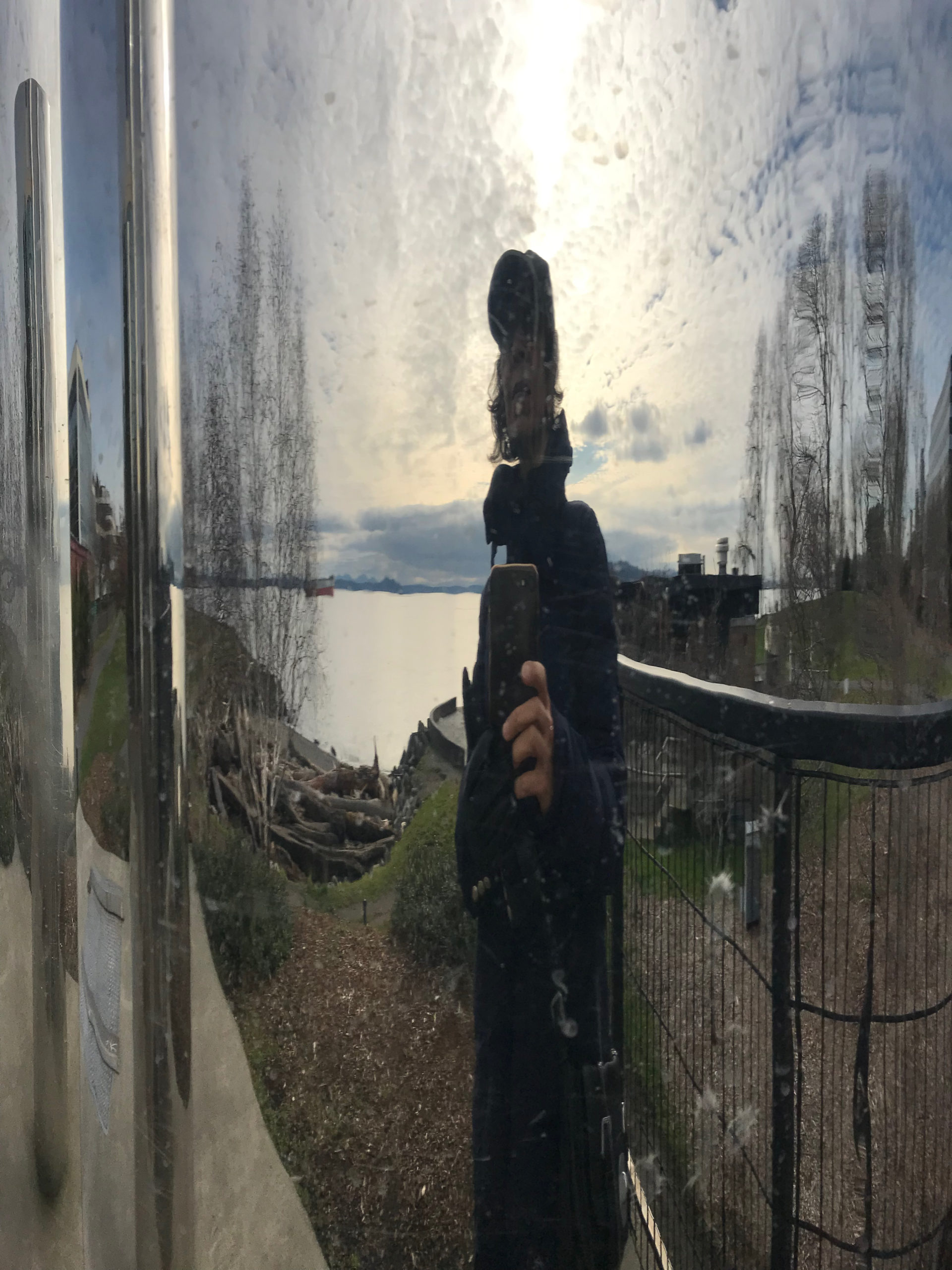 Sughra Raza. Self-portrait With Trees. Seattle, February, 2022.
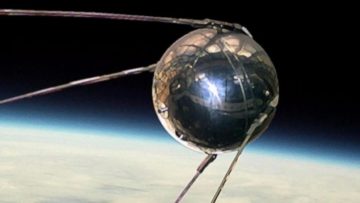 On 4 October 1957, in my mind’s eye, I was playing alone in the back yard when the radio in the breezeway broadcast a special news bulletin that changed my life. We had moved from Chicago to Minneapolis in 1951 and my parents had bought a recently built house on a dead-end street in a relatively cheap residential area out near the airport. The house was built in the modern suburban style that people called a ranch-style bungalow and its most interesting post-war feature was the breezeway, a screened-in patio attached to the house. The screens that kept flies and mosquitos at bay in warm weather were swapped for glass panels when the weather turned cold and we changed our window screens for storm widows.