by Kelly Amis
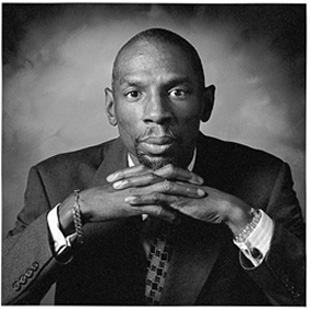
Today, Canada embodies a real-life version of the superhero he longed for, at least for several thousand families in New York City. Canada has embraced an entire community—100 blocks in Harlem—with a multifaceted effort to break the cycles of illiteracy, poverty and crime that have ravaged lives there for decades, including and especially by ensuring that every child receives a rigorous education. The results, so far, have been tremendous.
Success stories like this make me cry, but another story Canada relates in “Superman” made me laugh out loud (in a very quiet theater).
Once he became an adult, Canada explains, he decided to go study what was wrong with the public education system so he “could fix it.” After earning a master’s degree from Harvard, he figured this would take “two, maybe three years.” That was 35 years ago.
I didn’t laugh because this overreached; I laughed because I had thought the exact same thing when I first started working in education reform, in my case, about 20 years ago.
During my senior year in college, posters announcing a new program suddenly appeared everywhere on campus. Created by a twenty-two year-old named Wendy Kopp, Teach for America would send recent college grads into “under-resourced” American public schools to teach for two years, following the Peace Corps model. This struck me as the perfect way to give something back for the privileged educational opportunities I had enjoyed.