by Michael Lopresto
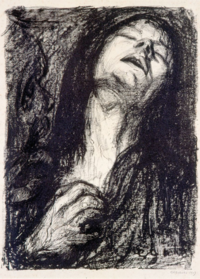
Can you understand why a little creature, who can't even understand what's done to her, should beat her little aching heart with her tiny fist in the dark and the cold, and weep her meek unresentful tears to dear, kind God to protect her? Do you understand that, friend and brother, you pious and humble novice? Do you understand why this infamy must be and is permitted? Without it, I am told, man could not have existed on earth, for he could not have known good and evil. Why should he know that diabolical good and evil when it costs so much? Why, the whole world of knowledge is not worth that child's prayer to “dear, kind God”!
–Dostoevsky's The Brothers Karamazov
Theodicy is the project of giving a moral justification for the evil that God has created or has allowed to occur. Will God be acquitted in the tribunal of morality? This project was founded in its modern from by the great German philosopher G. W. Leibniz, and continues today with philosophers such as Alvin Plantinga and Peter van Inwagen. The typical justifications given are that free will is valuable and therefore justifies the suffering we inflict upon one another, and that various evils are logically necessary means to get to greater goods. It is often thought that to save belief in God from being positively irrational, an intellectually satisfying answer must be given to the problem of evil. When posed with the question of why it is that God would allow someone to murder an innocent person, the theist might say that free will is an intrinsic good, and that giving humans free will means that they may freely choose to do the wrong thing; or that transgressions such as murder make possible higher goods, such as forgiveness and compassion.