by Ahmed Humayun
(This is the first post in a series on Pakistan's struggle against militancy).
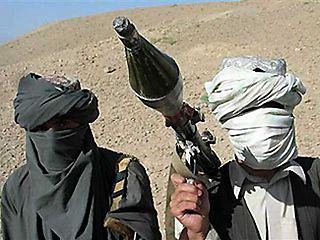
We need not accept all their grandiose declarations at face value. When it comes to global terrorism, in particular, there is a chasm between their rhetoric and their capacity. The only terrorist plot on American soil they can claim is of the failed Times Square Bomber in 2010. The evidence of Taliban involvement in Middle Eastern battlefields is ambiguous at best. And their operations are constrained by an overall pool of fighters that is small: estimates vary because data is hard to collect and the definition of an active fighter is murky but at any given time there may only be between ten and twenty thousand rebel fighters.
But the insurgents have substantially expanded their campaign within Pakistan itself. They have strategic clarity where Islamabad does not and their aspirations have been whetted by the confusion of the state. In recent years the rebels have complemented their fight against Pakistani armed forces in the tribal areas with a systematic campaign of terrorism in towns and cities across the country. To this end the insurgents have leveraged and expanded a vast ‘infrastructure of extremism', which originates in decades of state sponsorship of non-state militant groups.* The network includes combat trainers, militant recruiters, funders, suicide jacket makers, indoctrinators and foot soldiers who have access to training camps, safe houses, telephone getaway exchanges, madrassahs (some, not all) and highly sophisticated media communications facilities across the length and breadth of Pakistan. The insurgents are not cave dwellers: they are adept organization builders who have institutionalized the production of terrorism as one weapon in their broader war against the state.