
by Christopher Bacas
 In the Municipal building on Livingston Street, two floors are reserved for Housing cases. In each court, dozens of people work and wait, a Bosch tableau with an international cast. HPD lawyers work the perimeter. They bring Respondents to the bench, confer with them in the hallway and negotiate with Petitioners on their behalf. HPD attorneys also lunch with landlord’s counsel. There is little ethical or proximate difference between Officers of the Court, save who signs their checks and the pay scales. To a person, they distribute a crushing weight, balancing malfeasance and negligence, plunder and systemic rot. The lasting effect of a day in Housing court isn’t the stipulation Management makes for repairs, nor the tenant’s payment (sometimes, less an abatement), it is feeling that force haul you down and watching others already borne off by it.
We arrived by scuffling shoes and creaking doors, then slid into crowded pews, all the grim mugs on a subway car faced in the same direction. The docket was packed; twenty or more cases in a six-hour work day. Some would resolve in a few minutes, others stretch to an hour or more. The judge cuts off ramblers and ranters. While you wait, you rehearse your statement.
The electrical system in our building was nearly 90 years old. Its central node, a rectangular graphite board the size of a medicine cabinet. Protruding from it, six paired brass claws held six shotgun shell 60-amp fuses, no covering nor shielding. To replace fuses, small plastic pliers hung on a hook nearby. Current flowed to smaller boxes with smaller fuses in each unit’s kitchen. Air conditioners, particularly older models, can continuously pull 20-30 amps. Entertainment and communications: flickering modems, cable boxes, charging stations and flat-screens add to the load. Multiply by twenty-five units… Read more »




 The controversy over the
 The main job of ‘culture’ in a modern society seems to be shielding people from the demands of morality. In its intellectual role it justifies inequality between citizens. In its national history role it gives citizens a delusional sense of their country’s significance and entitlement, followed by a dangerous sense of grievance when this isn’t sufficiently recognised by the rest of the world. In its identitarian role it deflects demands for justification into mere proclamations of fact: ‘Why do we do this or that awful thing?… Because shut up. It is who we are.’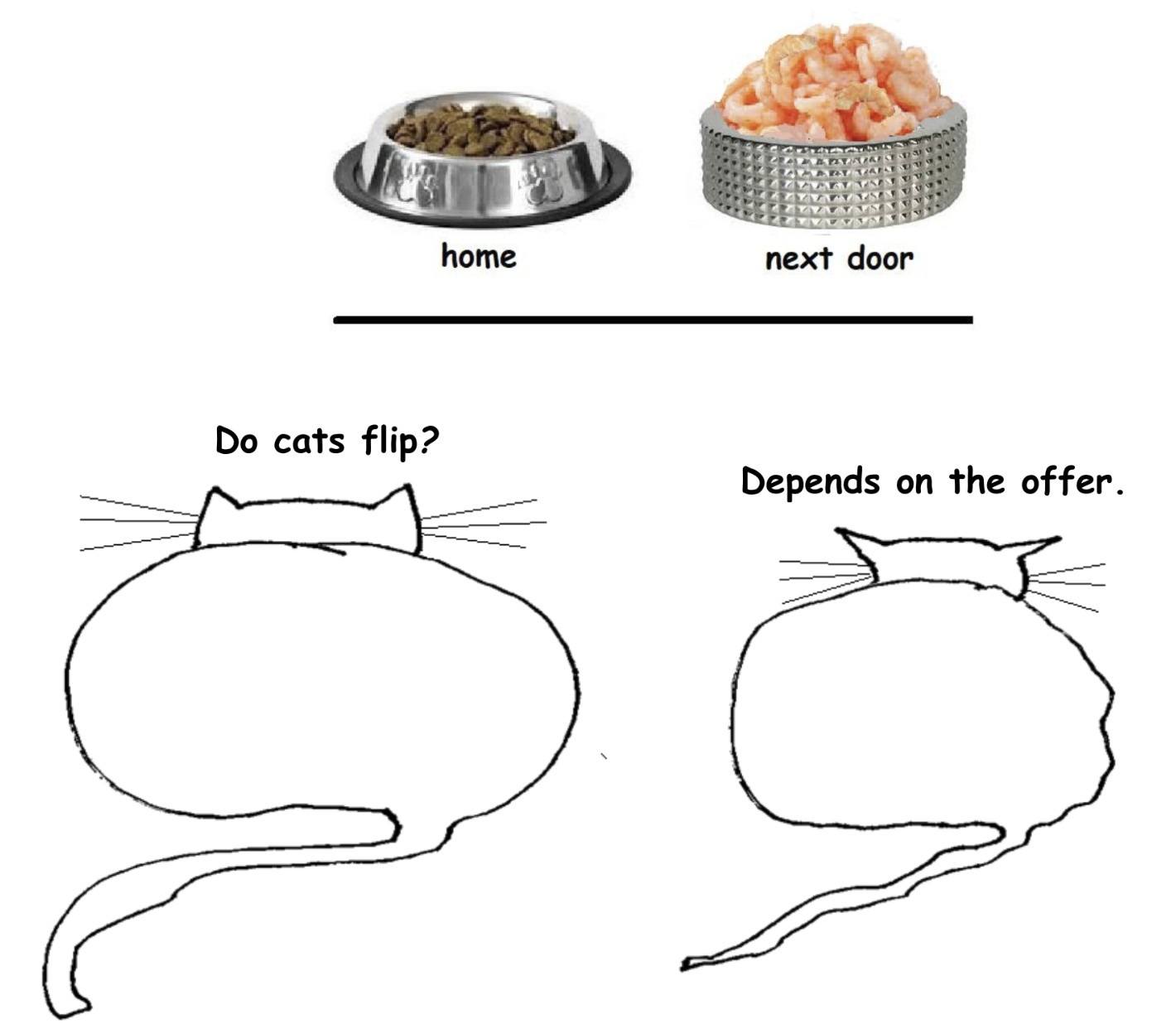
 On July 5 The Nation published a 14 line poem by Anders Carlson-Wee entitled “
 That music and emotion are somehow linked is one of the more widely accepted assumptions shared by philosophical aesthetics as well as the general public. It is also one of the most persistent problems in aesthetics to show how music and emotion are related. Where precisely are these emotions that are allegedly an intrinsic part of the musical experience? Three general answers to this question are possible. Either the emotion is in the musician—the composer or performer—in which case the music is expressing that emotion. Or the emotion is in the music itself, in which case the music somehow embodies the emotion. Or the emotion is in the listener, in which case the music arouses the emotion.
 sickness was constantly diagnosed for the once powerful idea. And still, after the impressive Sanders campaign of 2016, the electoral success of Jeremy Corbyn in the 2017 general election, as well as the – for many – surprising victory of Alexandria Ocasio-Cortez in the democratic primary in New York, writers continue to assure us that the idea is, if not dead, having serious problems. In any case, the idea of socialism seemed until recently a relic of the industrial past with little to say about contemporary society.
 We (the readers of 3QD; I know there are many people who disagree) can take it as given that Alex Jones is a thoroughly evil person. Someone who spreads false statements that the parents of the children killed in the Sandy Hook shooting staged the whole thing deserves lots of bad things happening to him, e.g. lose all the money he has made from the web in a defamation suit that the parents have filed, have people boycott his dietary supplement hoax.



 Try it: try talking about the subject of reading without drifting off into how the Internet has changed the way we absorb information. I, along with the majority of people I know whose reading habits were formed long before the advent of digital magazines and newspapers, Google Books, blogs, RSS feeds, social media, and Kindle, usually feel I’m only really reading when it’s printed matter, under a reading lamp, with the screen and phone turned off. But the reality is that I do a vast amount of reading online.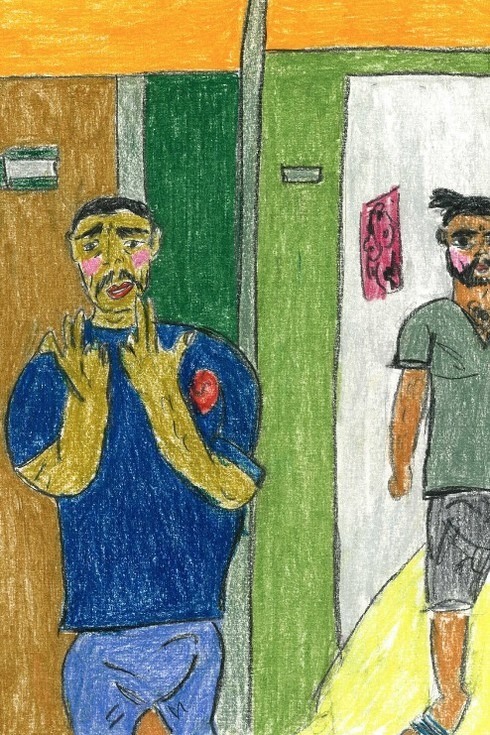
 Polynesia could swallow up the entire north Atlantic Ocean. It’s that big.
  spanning George Boole to Claude Shannon. By some measures the works of these men combine to give us our modern, programmable computer.