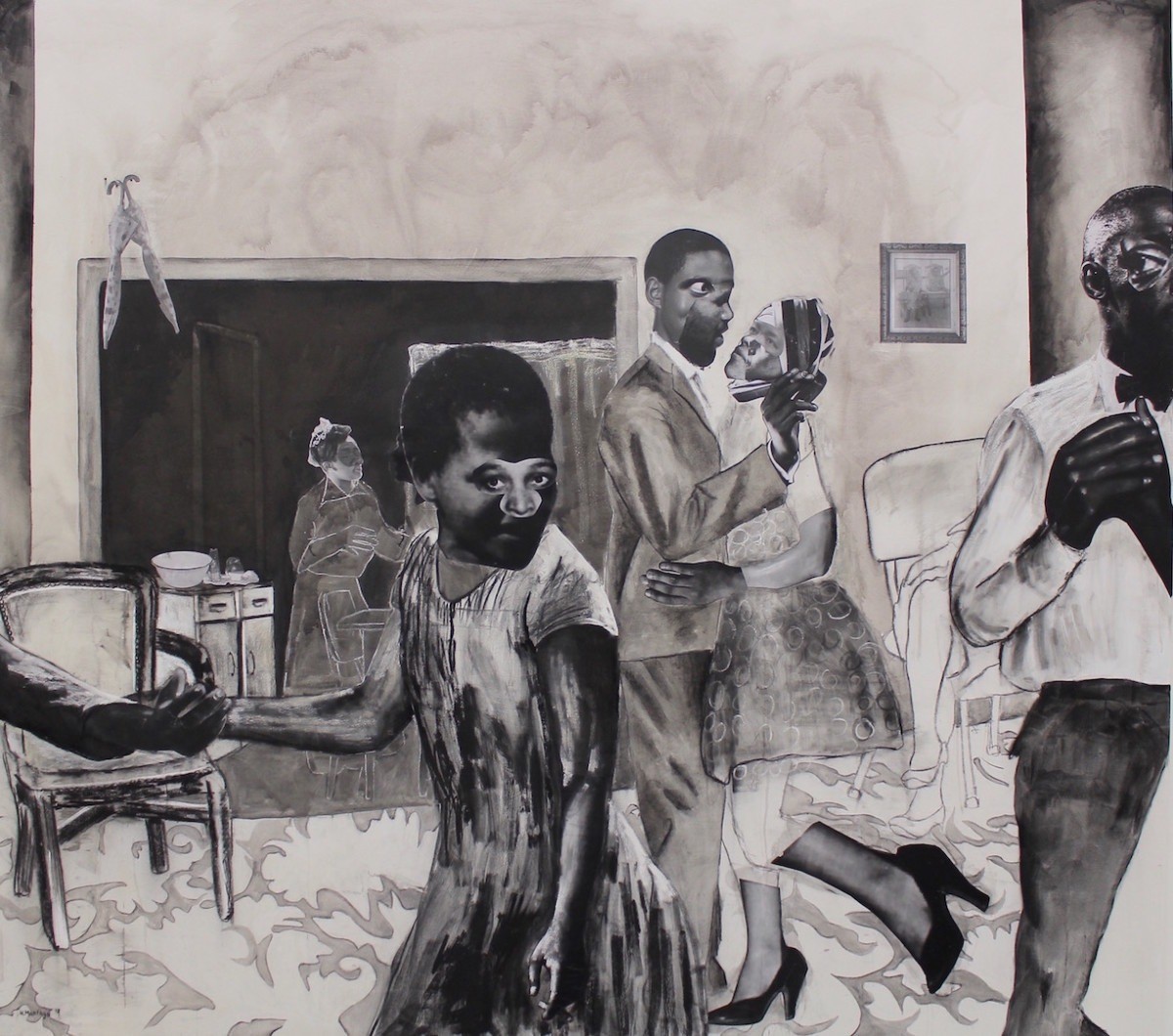
by Marie Gaglione
 I don’t know where exactly the blame lies for the United States’ relationship with work. Early disciples of capitalism, probably, or the first few factory owners of the industrial revolution. I could (and readily would) fill this essay pointing fingers at monopolists and wall-streeters and Reagan-era plutomaniacs, but it wouldn’t stop inquiring minds from demanding twenty-year plans from children. Every kid gets asked, and everyone asks it, but we don’t talk about what we’re really communicating. What do you want to be when you grow up? The language of it carries its own implication. Adults with even the very best intentions are telling the youth of this country that what you do is who you are. Your work will define you; it’s what you will be.
When I was very little, I wanted to be an astronaut, a firefighter, or a hairdresser. They were the most glamorous jobs I could fathom with what I imagined to be comparable levels of danger involved (here I spare the reader a lengthy digression on the psychology of fearing blowdryers). It wasn’t about the work of the position; I don’t remember ever contemplating the daily lives of these people. It was an idea of the kind of person I wanted to be. Bold and powerful and exciting. But because what we do and who we are get braided together from such a young age, I floundered around with my answers as I grew up. And it’s weird because you get to college and they reinforce what you’ve heard forever: choose wisely, this will define you. Your major will determine what you do and who you become for the rest of your life. It’s no wonder so many undergrads are in a state of perpetual panic. Read more »

 A recent article by Jane Mayer in The New Yorker, “The Case of Al Franken,”
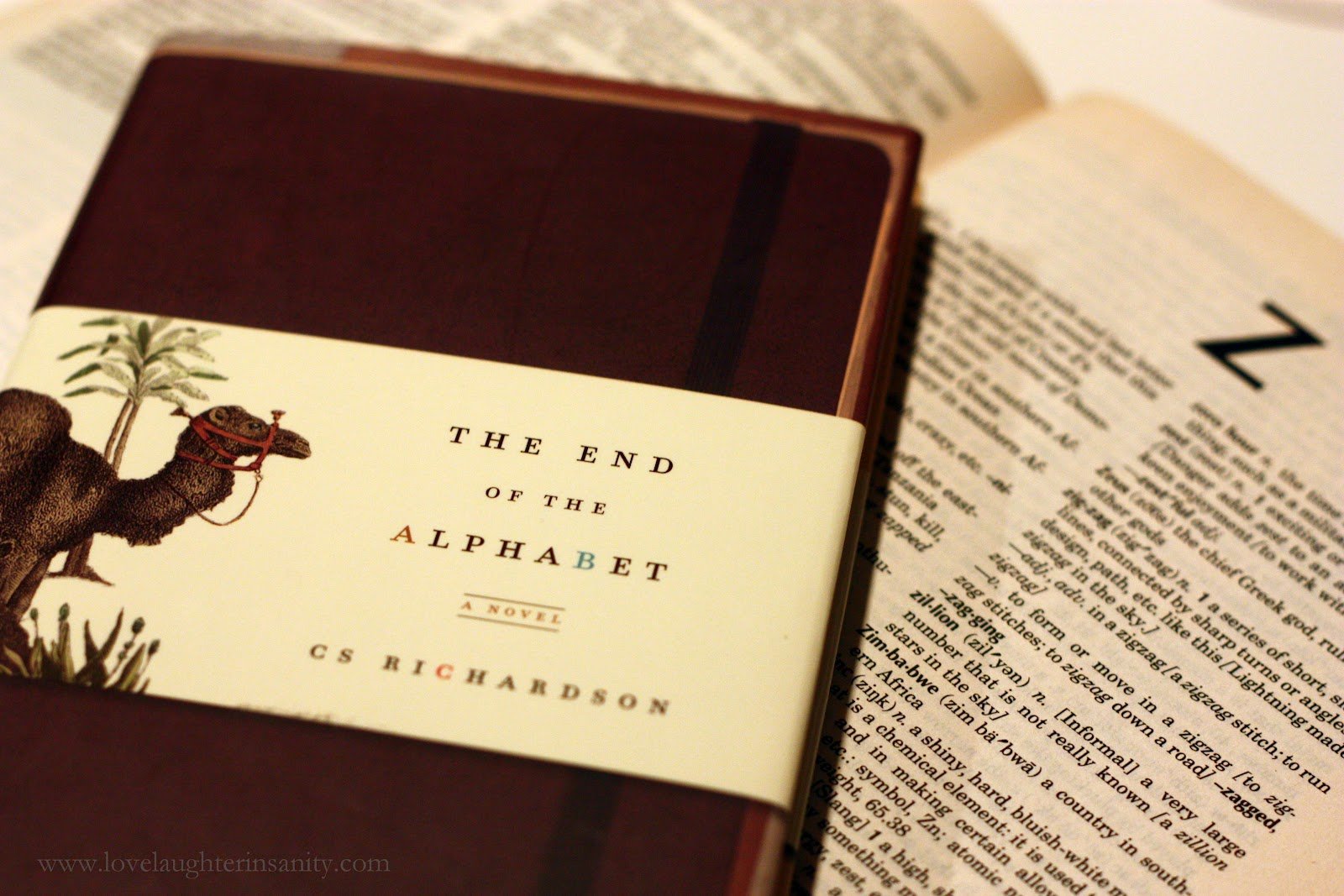 Ambrose finds out he has only weeks to live. How to spend that time is the premise of The End of the Alphabet (2007). It’s a condensed weepie in which Ambrose decides to visit a series of places with his wife that will take them through the alphabet. Somehow Richardson manages to stick to a minimalist elegance which probably saves the book from being schmaltzy book club fodder. And heck, you’d almost look forward to dying the way it’s put. Bucket list: die like this.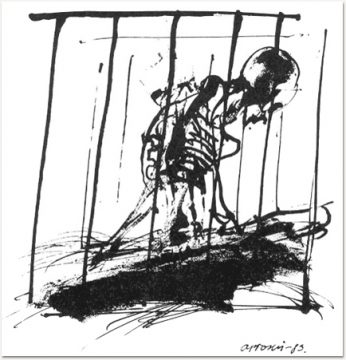
 As a child, author and poet Annie Dillard would traipse through her neighborhood, searching for ideal places to stash pennies where others might find them. In her novel
 Why do we value successful art works, symphonies, and good bottles of wine? One answer is that they give us an experience that lesser works or merely useful objects cannot provide—an aesthetic experience. But how does an aesthetic experience differ from an ordinary experience? This is one of the central questions in philosophical aesthetics but one that has resisted a clear answer. Although we are all familiar with paradigm cases of aesthetic experience—being overwhelmed by beauty, music that thrills, waves of delight provoked by dialogue in a play, a wine that inspires awe—attempts to precisely define “aesthetic experience” by showing what all such experiences have in common have been less than successful.
 The apartment in West Harlem, five buildings down on the left. The apartment just past the pawn shop, across from the Rite-Aid, parallel to the barber’s where all the pretty boys hangout waiting to get a Friday night shave. The apartment past the deli were you get cheese and pickle sandwiches and the all-night liquor store and the ATM machine no one is dumb enough to use.
 I don’t know a lot about guns.