by Sarah Firisen
 Many years ago, my father and I were at a backyard BBQ in New Jersey hosted by someone we barely knew, I think they were somehow connected to my step-mother. At some point, the topic of flag burning came up and, before we knew it, we were engaged in an extremely heated debate on what patriotism actually means (I believe that the rights the flag stands for include the right to burn it). The debate ended up with a large group of people holding beers and hot dogs decrying the liberal anti-Americanism of the two of us. Not the best way to spend a summer afternoon. These days, it’s possible, in fact too easy, to repeat the unpleasantness of that afternoon all the time on social media. I try my best to steer away from the soul sucking void that is having debates on Facebook with friends of friends. We all have those people in our lives with whom we have a moral or political disconnect and that those people will sometimes make comments that will inflame our more simpatico friends may be inevitable, but doesn’t have to be engaged with and perpetuated. Such debates don’t change hearts and minds. Full disclosure, I admit, sometimes I don’t follow my own advice here as well as I should, but I try.
Perhaps even more pointless is having fights with utter strangers who just happen to subscribe to the same Facebook groups you do. The other day I felt unusually compelled to comment on a New York Times Modern Love posting on Facebook. The story was about a woman who listened to a tarot card reader and took her “predictions” very seriously. Now as far as I’m concerned, if you make the choice to write about your private life in a public sphere, you’re fair game for other people to comment on your choices – indeed, I open myself up for this in writing for this blog, and I get that. I’m not sure why I bothered to comment, why do people write letters to newspapers? But I certainly believe I had a right to state my opinion. A fellow reader disagreed and started a personal attack on me and my judgement of the story writer. I should have left it at that, I didn’t, I answered back. Read more »

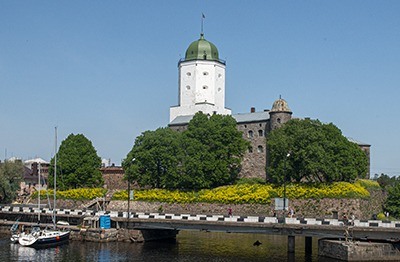 As early as 1293 a Swedish marshal built a castle in Vyborg, now Russian. The castle traded hands repeatedly between the Swedes and the then Republic of Novgorod. With the collapse of the Soviet Union and loss of fortresses in Narva, Tallinn and Riga,
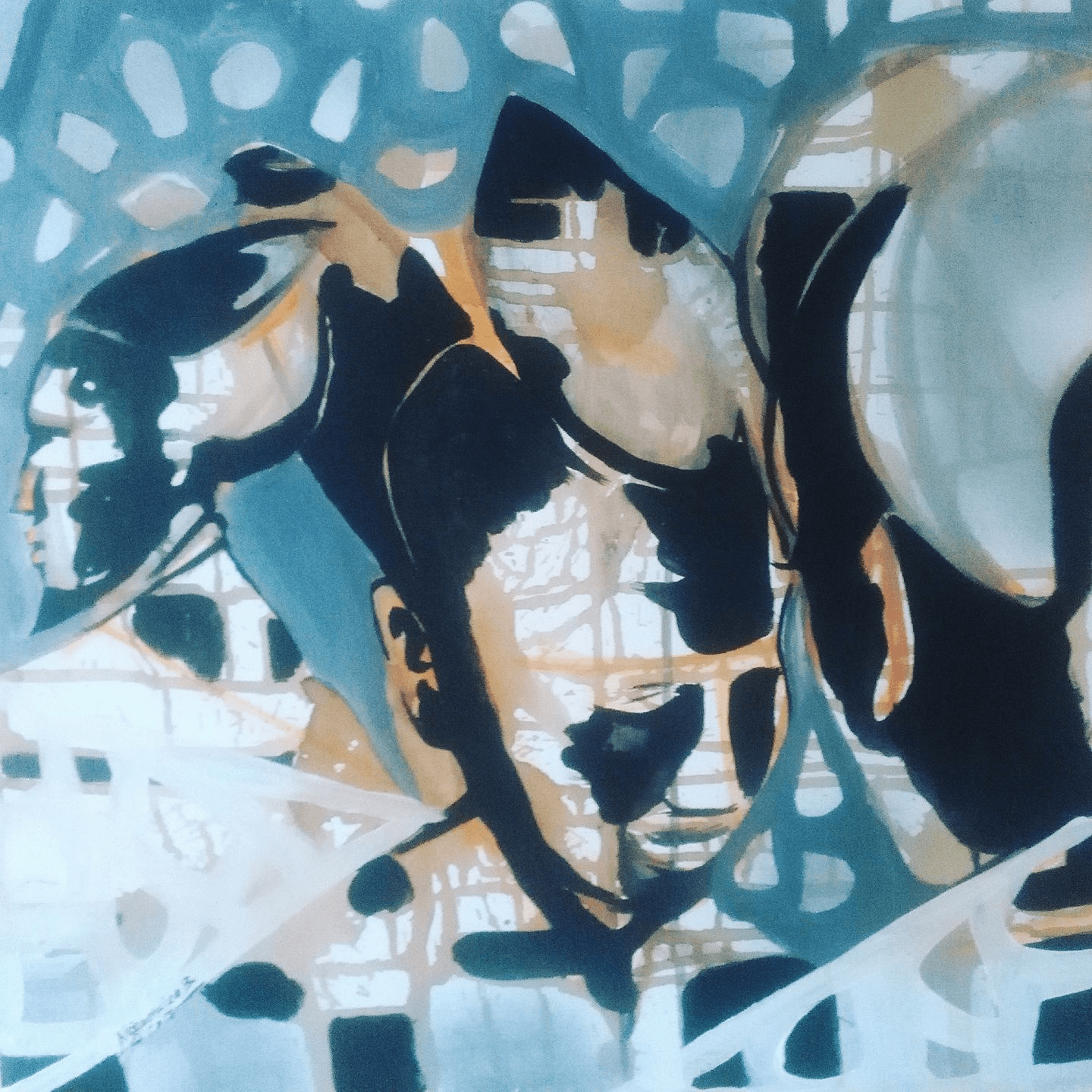






 Racing down a German autobahn at impossible speeds is like running past a smorgasbord when you don’t have time to eat. Exit signs fly by, pointing to delicious, iconic destinations that whet the appetite but that one has no time for: Hameln, Wittenberg, Quedlinburg, Eisenach, Erfurt, Altenburg, Jena, Weimar, Dessau—markers of histories whose tentacles reach into the present in ways that belie their sleepy status on the map. You suppress the urge to slow down and take the off-ramp instead of moving right along to a big-city destination You opt to remain on the asphalt treadmill with arrival anxiety, telling yourself that one day you will take the time to explore all this, just not right now.
 Two weeks ago the 9th US Circuit Court heard


 The Big Bang Theory has been one of the most successful sitcoms in TV history. Last month it ended. In many ways, it ended a long way from where it had begun; many commentators have noticed how the show