
by Shawn Crawford
C.S. Lewis, the Evangelical icon who would be thoroughly nauseated by Evangelicals, once wrote we should not kid ourselves into believing the Reformation had anything to do with religious freedom. Once he escaped the stake, John Calvin had no problem watching Michael Servetus burn. Although he did ask for a beheading instead. Full of tender, predestined mercies was Calvin. The Reformation makes much more sense when viewed as a political and theological battle over who gets to light the matches.
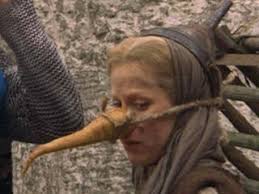
But for true clarity, we must of course turn to Monty Python and the Holy Grail. When the crowd wants to burn a woman as a witch (“She turned me into a newt. I got better.”), the question never arises as to the legitimacy of burning witches or even their existence but whether the mob’s superstition or Sir Bedivere’s “science” (If she weighs the same as a duck, she’s made of wood, and therefore a witch) should determine the case. The lighting of matches gets turned into a question of process; let’s make sure we’re burning people for the right reasons.
Both situations, one historical and one fanciful, existed because a worldview, that certain sins (heresy, witchcraft) must be eliminated through the death of the transgressors, had triumphed and stood beyond question. Only later would a debate arise as to whether we should be killing people over matters of faith and religion. That debate continues in certain cultures. Read more »

 Short Talk on Why Some People Find Trains Exciting / Anne Carson

 In giving an account of the aesthetic value of wine, the most important factor to keep in mind is that wine is an everyday affair. It is consumed by people in the course of their daily lives, and wine’s peculiar value and allure is that it infuses everyday life with an aura of mystery and consummate beauty. Wine is a “useless” passion that has a mysterious ability to gather people and create community. It serves no other purpose than to command us to slow down, take time, focus on the moment, and recognize that some things in life have intrinsic value. But it does so in situ where we live and play. Wine transforms the commonplace, providing a glimpse of the sacred in the profane. Wine’s appeal must be understood within that frame.
 The basic details of the story are known to almost everyone: a Malaysian Airlines flight simply disappeared one night in March 2014 and, more than five years later, the plane has still not been found.
 On Sunday, May 17, 2015, there was a Lutheran church service in Delmont, South Dakota. Just one. A week earlier—on Mother’s Day—there had been two, one at Hope Lutheran, another at Zion Lutheran. At around 10:45 that morning, during Sunday school at Zion Lutheran, a tornado had ripped through the town, taking out 40 homes and sucking the roof off of Zion Lutheran. A woman later told us there was a pipe organ “trapped” inside, as if it was a living victim of the storm.
 Sughra Raza. “Steep-le-chase!”; June, 2019, Rwanda.
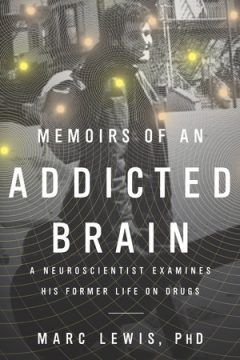 The relation between mind and matter is a perennial philosophical conundrum for a reason. If the workings of the mind depend too much on the physical material that seems to house it, then it can be hard to see how there’s conceptual room for human agency. On the other hand, if they don’t depend on it at all, then it’s hard to understand why such things as brain injury or the ingestion of this or that chemical substance should have any effects at all, let alone the reliably predictable effects that often result. Something’s gotta give!
 It is a big cross. A really big cross. Forty feet in height, made of granite and concrete, The Bladensburg Peace Cross stands tall and straight for all to see.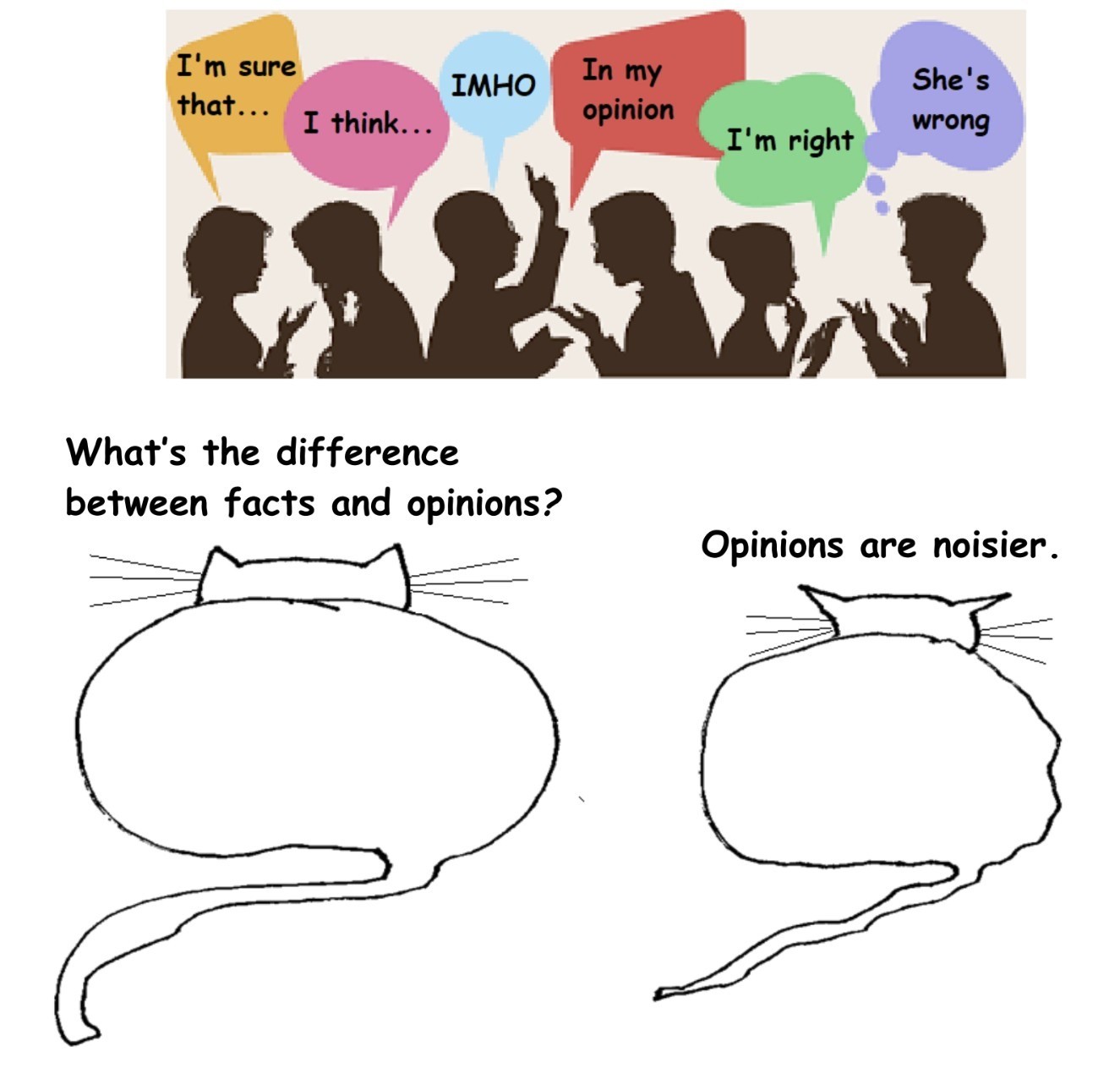
 Many years ago, my father and I were at a backyard BBQ in New Jersey hosted by someone we barely knew, I think they were somehow connected to my step-mother. At some point, the topic of flag burning came up and, before we knew it, we were engaged in an extremely heated debate on what patriotism actually means (I believe that the rights the flag stands for include the right to burn it). The debate ended up with a large group of people holding beers and hot dogs decrying the liberal anti-Americanism of the two of us. Not the best way to spend a summer afternoon. These days, it’s possible, in fact too easy, to repeat the unpleasantness of that afternoon all the time on social media. I try my best to steer away from the soul sucking void that is having debates on Facebook with friends of friends. We all have those people in our lives with whom we have a moral or political disconnect and that those people will sometimes make comments that will inflame our more simpatico friends may be inevitable, but doesn’t have to be engaged with and perpetuated. Such debates don’t change hearts and minds. Full disclosure, I admit, sometimes I don’t follow my own advice here as well as I should, but I try.
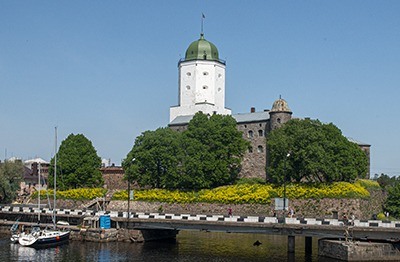 As early as 1293 a Swedish marshal built a castle in Vyborg, now Russian. The castle traded hands repeatedly between the Swedes and the then Republic of Novgorod. With the collapse of the Soviet Union and loss of fortresses in Narva, Tallinn and Riga,