by Jonathan Kujawa
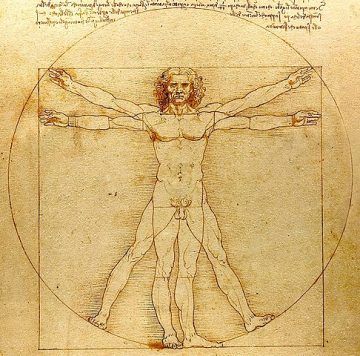
In the past few months I’ve been thinking a fair bit about math and humanity. We often think of math as outside of us but, in fact, it is a deeply human enterprise.
A group of us in the University of Oklahoma (OU) math department have been trying to establish a “bridge program” for students coming out of undergraduate but not quite ready for graduate school. In meetings with various university administrators, I’ve had to fumble my way towards an articulation of the sort of students we hope to have in the program. There are several such programs around the country with most designed to reach one or more groups that are underrepresented in mathematics. But, certainly, to have an effective program and to get administrators to open their wallets, you really need to be able to say who you’re trying to reach [1].
Oklahoma happens to be the home of Langston University, the westernmost historically black college or university (HCBU), along with a number of universities which serve sizable populations of Native Americans. The idea of a bridge program at OU came out of a thought-provoking meeting this past spring with members of the Langston math department. In that meeting we discussed ways we could partner together. A bridge program that gives Langston students the opportunity to be part of a graduate program while staying in Oklahoma would be a great start. More generally, like those other math bridge programs around the country, we would like to knock down barriers for members of under-represented groups who would like to dive more deeply into mathematics.
But as I’ve thought about it, I think it should be more than that. If I were to encapsulate our bridge program in a phrase, I would say our program should be for students who have both potential and interest in graduate school in mathematics, but not yet the requisite background. Read more »



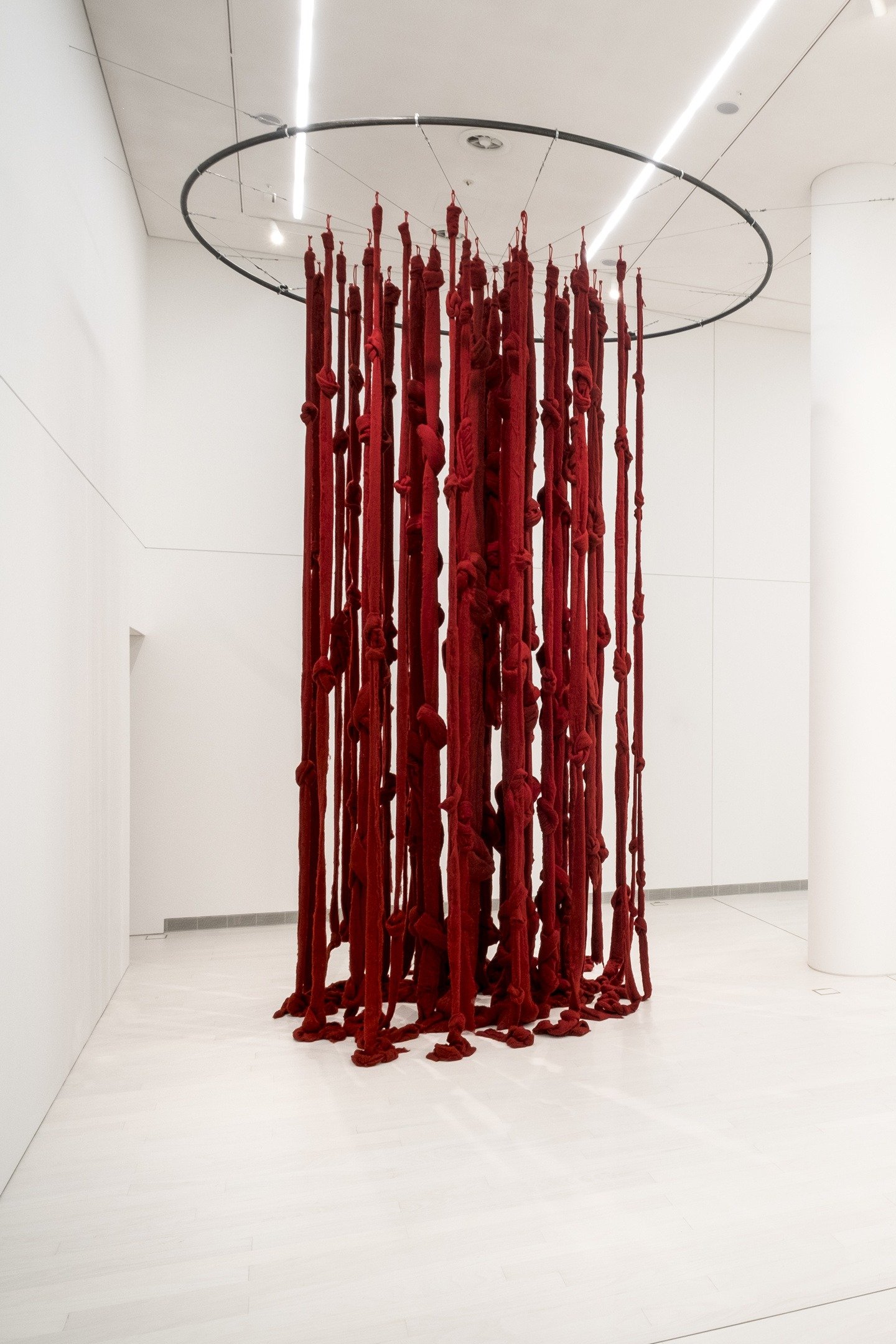
 The Biophilia Effect: A Scientific and Spiritual Exploration of the Healing Bond Between Humans and Nature, by Austrian biologist Clemens G. Arvay, is a mind-expanding read. It is part of the relatively recent resurgence of interest in incorporating exposure to nature into physical and psychological healing regimens. Until recently, the notion of “taking the cure” by relaxing at a Swiss resort in a natural setting was seen as archaic, thought to have been prescribed only because medicine had not advanced to a point where a “real” treatment could be used. Not that everyone had abandoned the idea: Erich Fromm used the term “biophilia” in his 1973 work The Anatomy of Human Destructiveness to describe “the passionate love of life and of all that is alive.” American biologist Edward O. Wilson published Biophilia in 1984, positing genetic bases for humans’ tendency to gravitate to nature. Now scientists en masse are studying nature’s extraordinary healing effects. In Japan, shinrin-yoku–“taking in the forest atmosphere,” or as it is more often translated in the West, “forest bathing”– is officially recognized as a method of preventing disease as well as a supplement to treatment. In 2012, Japanese universities created an independent medical research department called Forest Medicine. Scientists around the world have begun to participate in this research.
 Two months ago I
 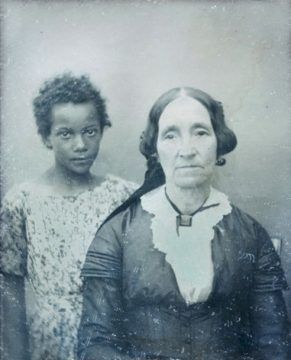 Many feminists, and indeed scholars more generally, frequently, and rightly, decry the writing of women out of history. Books such as Cathy Newman’s Bloody Brilliant Women, attempt to redress the historical omission and accord recognition to women who have made major contributions to the progress of humanity. However, while these developments are to be welcomed, it has to be acknowledged that women’s history has its darker side also: women have been complicit in the perpetration of historical wrongs. Sarah Helm’s If This Is A Woman documents the dehumanisation of female prisoners by female guards at the notorious all woman concentration camp at Ravensbrück during World War II; Laura Sjoberg and Caron E. Gentry’s Mothers, Monsters, Whores: Women’s Violence in Global Politics points out the potential of women to support and participate in acts of genocide. And, as Stephanie E. Jones-Rogers’s They Were Her Property: White Women as Slave Owners in the American South informs us, women were deeply involved in another historical wrong: slavery in the United States. Women were, as Jones-Rogers’ says, ‘co-conspirators’ in the institution of slavery in the US, and their involvement constitutes an aspect of the wider history of white supremacist organisations in the US.
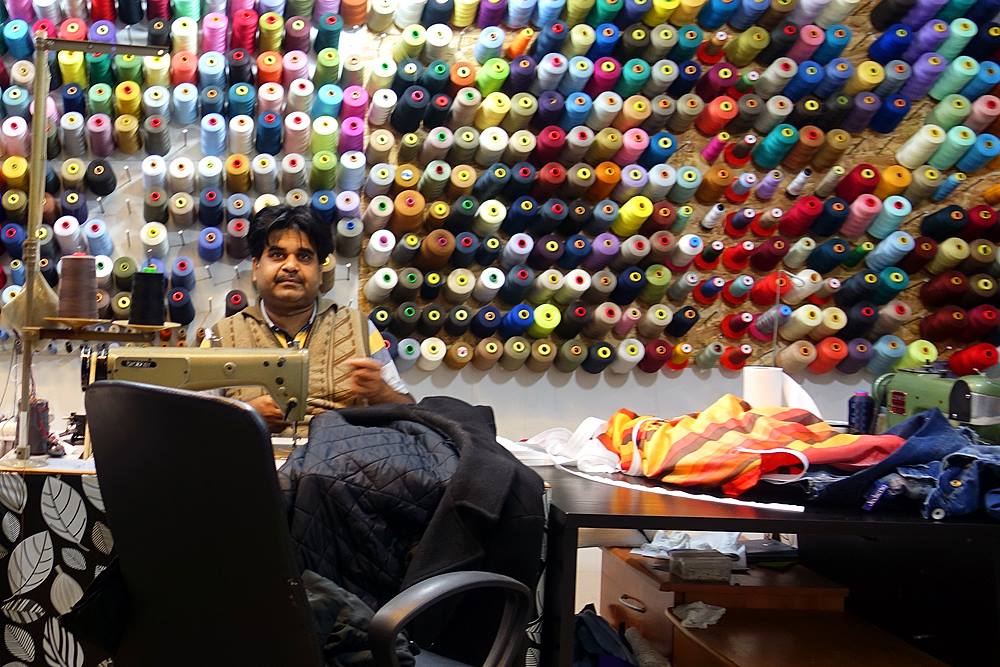
 Now that the Emmys are over and we Americans have patted ourselves and a few Brits on the back for outstanding work, it’s time to consider one of the grandest achievements of the past year, a Netflix series from South Korea called Mr. Sunshine, which has, inexplicably, been ignored by media critics in the West.
 Oversized photography equipment. Tangled wires.
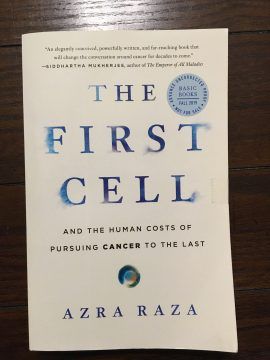 A few days ago I finished watching a new
  Sometimes, history moves faster than thought. Something like that is happening in the United States in these early days of fall. Though the season is taking longer than normal to turn, the political season has changed more quickly than anyone expected. The opinions of last week – such as the long article I had written for 3QD on the prospects of Donald Trump and the Democrats in 2020 – have suddenly become irrelevant, and I find myself writing this wholly surprising piece on the possible impeachment of Donald Trump. As these lines are being written, 223 Democrats and one Independent in the US House of Representatives – a clear majority –
 I remember the first time I thought I might be able to get on board with Stoicism. I read a