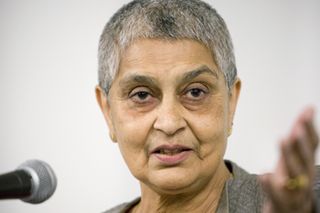
Dr Bruce Chabner has had immense experience in the discipline of cancer drug discovery and development. During his career at the National Cancer Institute, he worked as a Senior Investigator in the Laboratory of Chemical Pharmacology, Chief of the Clinical Pharmacology Branch, Director of the Clinical Oncology Program, and Director of the Division of Cancer Treatment. His research significantly added to the development of high dose chemotherapy regimens and standard therapies for lymphoma. Additionally, his research led to the development of Taxol. He currently serves as a Professor of Medicine at Harvard Medical School and Director of Clinical Research at the MGH Cancer Center at Massachusetts General Hospital.
Azra Raza, author of The First Cell: And the Human Costs of Pursuing Cancer to the Last, oncologist and professor of medicine at Columbia University, and 3QD editor, decided to speak to more than 20 leading cancer investigators and ask each of them the same five questions listed below. She videotaped the interviews and over the next months we will be posting them here one at a time each Monday. Please keep in mind that Azra and the rest of us at 3QD neither endorse nor oppose any of the answers given by the researchers as part of this project. Their views are their own. One can browse all previous interviews here.
1. We were treating acute myeloid leukemia (AML) with 7+3 (7 days of the drug cytosine arabinoside and 3 days of daunomycin) in 1977. We are still doing the same in 2019. What is the best way forward to change it by 2028?
2. There are 3.5 million papers on cancer, 135,000 in 2017 alone. There is a staggering disconnect between great scientific insights and translation to improved therapy. What are we doing wrong?
3. The fact that children respond to the same treatment better than adults seems to suggest that the cancer biology is different and also that the host is different. Since most cancers increase with age, even having good therapy may not matter as the host is decrepit. Solution?
4. You have great knowledge and experience in the field. If you were given limitless resources to plan a cure for cancer, what will you do?
5. Offering patients with advanced stage non-curable cancer, palliative but toxic treatments is a service or disservice in the current therapeutic landscape?
 The roof of Notre-Dame de Paris, lost in the fire of April 15, 2019, was nicknamed The Forest because it used to be one. It contained the wood of around 1300 oaks, which would have covered more than 52 acres. They were felled from 1160 to 1170, when they were likely several hundred years old. It has been estimated that there is no similar stand of oak trees anywhere on the planet today.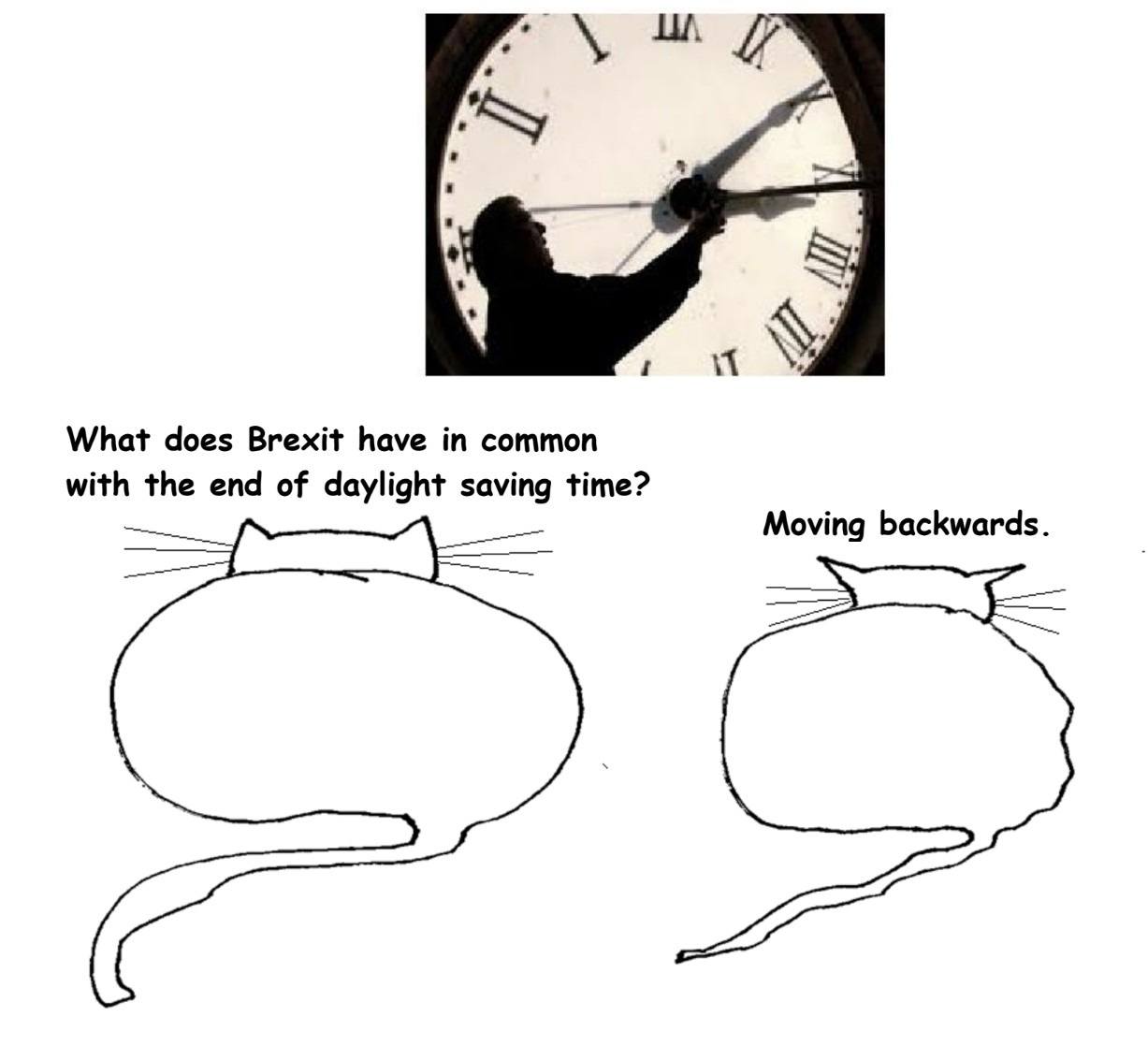

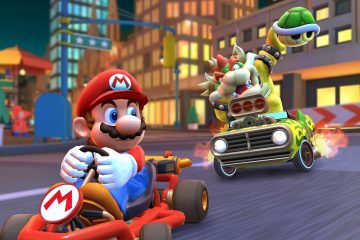 This essay is about technology, probably. I waffle on the theme only because I think blaming existential panic on cell phones is stale, but I’m pretty sure it’s accurate! Let me make my case. I’ve opened Mario Kart Mobile Tour on my phone three times since starting to write this and I’m not yet on my third paragraph. And I’ve already raced all the races and gotten enough stars to pass each cup. And I still keep opening the app. This week it’s Mario Kart, but before that it was Love Island The Game and before that it was Tamagotchi (and Solitaire and Candy Crush and and and). I don’t have a Twitter and I rarely open Instagram so presumably the games are just the most enticing apps I have, but it’s still gross how long I spend with my shoulders tightened, neck tensed, and thumbs exercising. I feel like a loser. And I justify all the time, pretending like I’m having such deep thoughts in the background as I throw red turtle shells. I try to map life onto the racing track; I look for metaphors as I complete a lap and am satisfied with exercising the poetic side of my brain for the day.
 Fantasy politics starts from the expectation that wishes should come true, that the best outcome imaginable is not just possible but overwhelmingly likely. Brexit is classic fantasy politics, premised on the delightful optimism that if the UK were only freed of its shackles it would easily be able to negotiate the best deals imaginable.
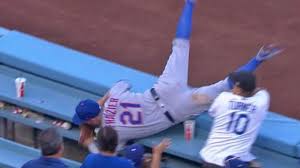 Baseball has always been a thinking person’s game. Like cricket, it seems able to offer an infinite variety of complicated situations demanding subtle analysis, and these are deliciously frozen for everyone to consider and reconsider during the tense, drawn out intervals between moments of active play. Moreover, although afficianados know the rules well, novel problems can always arise. One such puzzler, amusing and thought-provoking, arose in a 2018 game between
 I could not believe my luck when I woke up this morning. It had rained last night, but this morning the sky was blue the breeze gentle,and the wild grass along the smelly sluggish, open sewer that meanders through the swanky Defense Housing Authority—home to lush golf courses and palatial villas—past the gates of the elite Lahore University of Management Sciences, was audaciously green. The mango tree in the front yard of my mother’s house—quiet after a fertile summer of exuberant fruiting—balances the crow’s nest full of chattering chicks in its gently swaying branches. All God’s creations bask in the mellow sunshine. No more the snow and ice and cold of Eastern US. For these weeks, it’s going to be this bliss in Lahore. I was glad to be me, and to be alive. I say to myself “Thank God I am on this side of the earth, rather than under it.” What a beautiful world. So much to see and so much to do. I could live like this for a hundred years like William Hazlitt, who claimed to have spent his life “reading books, looking at pictures, going to plays, hearing, thinking, writing on what pleased me best.” I’ll add eating to that list, at the top of it, fried eggs and buttered toast.