
by Mary Hrovat
 The indicators that people use to track and understand their moods include exercise, diet, sleep, and many others. I’ve been thinking recently that my library activity surely must be correlated with my mood. I’m a frequent user of two libraries, and my checkouts and returns have a fairly small and regular ebb and flow. Overlying these minor fluctuations are larger and more diffuse patterns that I think offer clues to my inner state.
Reading the clues can be complicated. If there’s a connection between mood and library activity or reading, it’s not clear-cut. But that’s true of various other markers that people track. For example, sometimes I get a lot of exercise because I’m filled with energy and relish the physical pleasure of walking and observing. At other times, a high step count reflects the fact that I’m restless and anxious; part of me is hoping that if I walk far enough, I can out-walk my problems or maybe even myself. Sometimes I push myself to get out a lot even if I feel exhausted and sick at heart, because I hope the exercise will lighten my mood or help me sleep. And sometimes, of course, I walk a lot because there are many errands to run, and I don’t drive.
The depression questionnaire they use at my doctor’s office asks about seemingly contradictory things; one question asks whether you’ve either lost your appetite or been overeating, for example, and another asks if you’re sleeping more or less. I don’t know if that means that depression can either enhance or suppress appetite, or whether people respond to depression by shunning food or seeking comfort from it, or (most likely) a little of both. It can be very hard to tell symptoms from attempts to treat symptoms. Read more »

 A Jewish grandfather and a Muslim man walk into a New York delicatessen….and 55 years later the Muslim man writes a trailblazing autobiography.

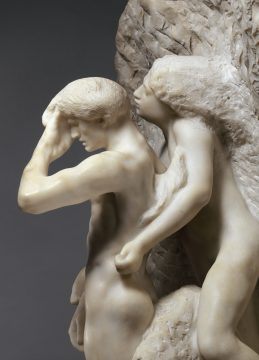
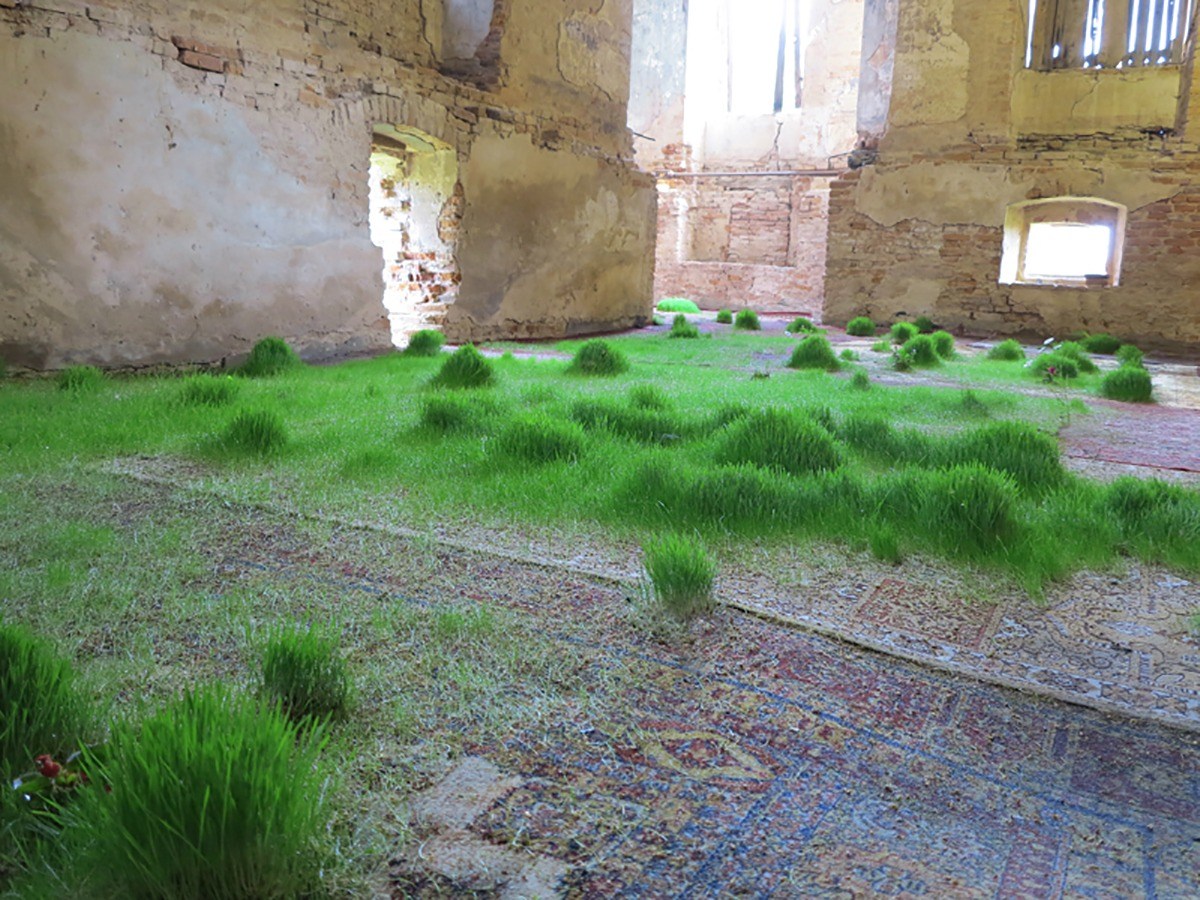
 I suspect there are many who feel that this Dickensian paradox applies to their own life and times. I certainly do. If you’re fortunate enough to have a sufficient income, a comfortable home, loving family and friends, decent physical and mental health, and plenty of interests to pursue, then life is good. But then a lying, narcissistic, cynical, conman like Boris Johnson is ensconced in power in the UK for five years, and things are not good. One dwells in the Slough of Despond.
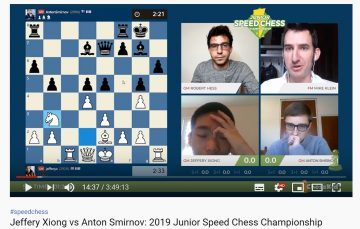 Earlier this year one of the encounters technology has made available for mind games took place – the 2019 Junior Speed Chess Championship. The technology is impressive, with the board, and video commentary by two masters, along with video of the players.
 Mom, why are we always at the doctor? Every week we come here. Are you dying?
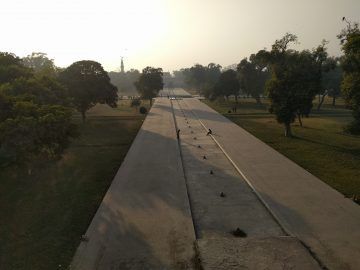 When we were young and living in Sialkot, we went frequently, almost once a week, to Lahore, the grand and hip city just a two-hour drive away. The trips were ostensibly for some real work—father, a district court lawyer, was appearing in a case being heard in the High Court or, his tuxedo in the trunk, was heading to a meeting of the Freemasons. Or it was for mother, who had critical shopping at Haji Karim Buksh, for crystal fruit bowls or the latest coffee cups, things not to be found in Sialkot, or was going to Hanif’s for a hair trim. Mother in the early 1960s sported a Jackie Kennedy cut that needed serious maintenance and only Hanif’s could manage that. For the children it might be to see doctors or dentists at Sir Ganga Ram Hospital—deflected septum (one of the boys was an avid boxer), enlarged tonsils, persistent skin rash, and such. And of course the routine checkups for father’s hypertension. Sialkot at the time did not have specialist doctors or reliable surgical facilities. (Interestingly enough it still does not, despite being a manufacturer and exporter of surgical goods.)

 It’s the holiday season and time to think about presents for the budding wine lover in your life. Of course, any season is the right time to think about that. You should always support your local wine lover. One place to begin is this compelling book by long-time food critic Jon Palmer Claridge entitled
 When a song gets really stuck in my head, I break it down. I learn how to play it and even ponder ways to fiddle with it and improve it. In the throes of involuntary obsession, it gives me something to do. It’s a coping mechanism, a way to retain my sanity. And for this project, it also means writing, at least a little bit, about the song and artist. To create some context.
 People sometimes express confusion about what public philosophy is. We see the point as straightforward: it’s a matter of location. Public philosophy consists of all those efforts that aren’t centered on university life. Public philosophers write op-eds for newspapers, work on disability issues and penal reform, serve on expert committees for government agencies, teach in prisons and schools, and help community groups balance considerations of justice with economic development. But while the possibilities for public philosophy are infinite, the distinction is clear: are your attentions directed toward other philosophers? That’s academic philosophy. Are your efforts aimed at the wider world? That’s public philosophy.