by Scott F. Aikin and Robert B. Talisse

Enthusiasm for public philosophy, and public-facing scholarship more generally, is pervasive. As active contributors to the “public philosophy” genre, we hold that it’s valuable for academics to reach out to broader audiences. It’s good to think deeply about the issues central to living a meaningful life, and this activity shouldn’t be confined to the halls of academia.
Yet the practice of public philosophy occasions problems of its own. To start, there is the tendency towards cheapening and deforming philosophical reflection, which comes with selling philosophical programs as “life hacks” and self-help regimens. This tendency is often accompanied by an effort to monetize philosophy, which in turn of course makes it less “public.” We’ve already written on this problem (here and here). Setting this aside, there is an additional problem. Enthusiasm for public-facing work among professors has recently begun percolating up into university administration. This, in part, has been fueled by the insistence among the professoriate that public scholarship ought to be “institutionalized,” counted alongside strictly academic work for purposes of promotion, merit assessment, and other forms of advancement. In short, college administrators have begun warming to the idea that faculty ought to develop a profile of public outreach. In some institutions, that faculty will contribute public-facing work is a more-or-less explicit expectation, often tied, albeit vaguely, to benchmarks for promotion and other institutional rewards.
We’re suspicious of the proposal that public-facing scholarly activities should be institutionalized. Read more »

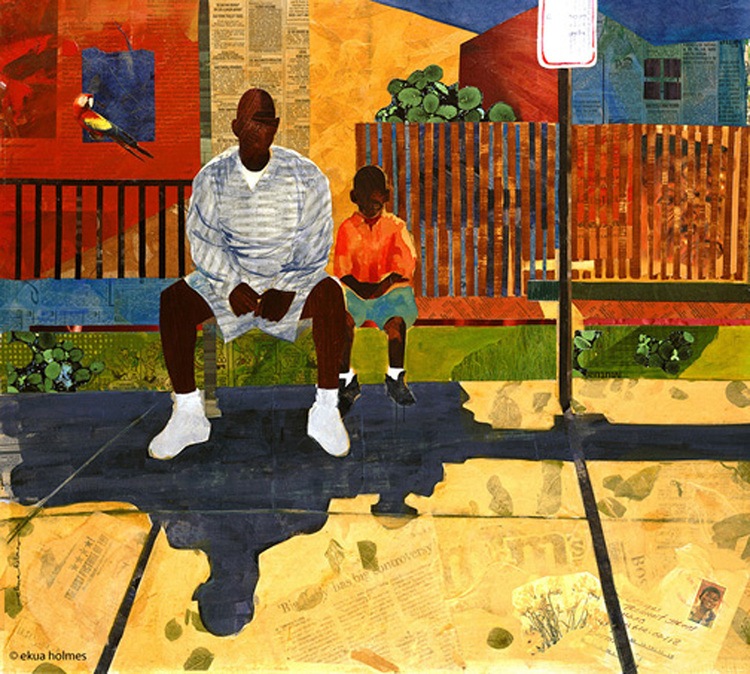 Ekua Holmes. There’s No Place Like Home.


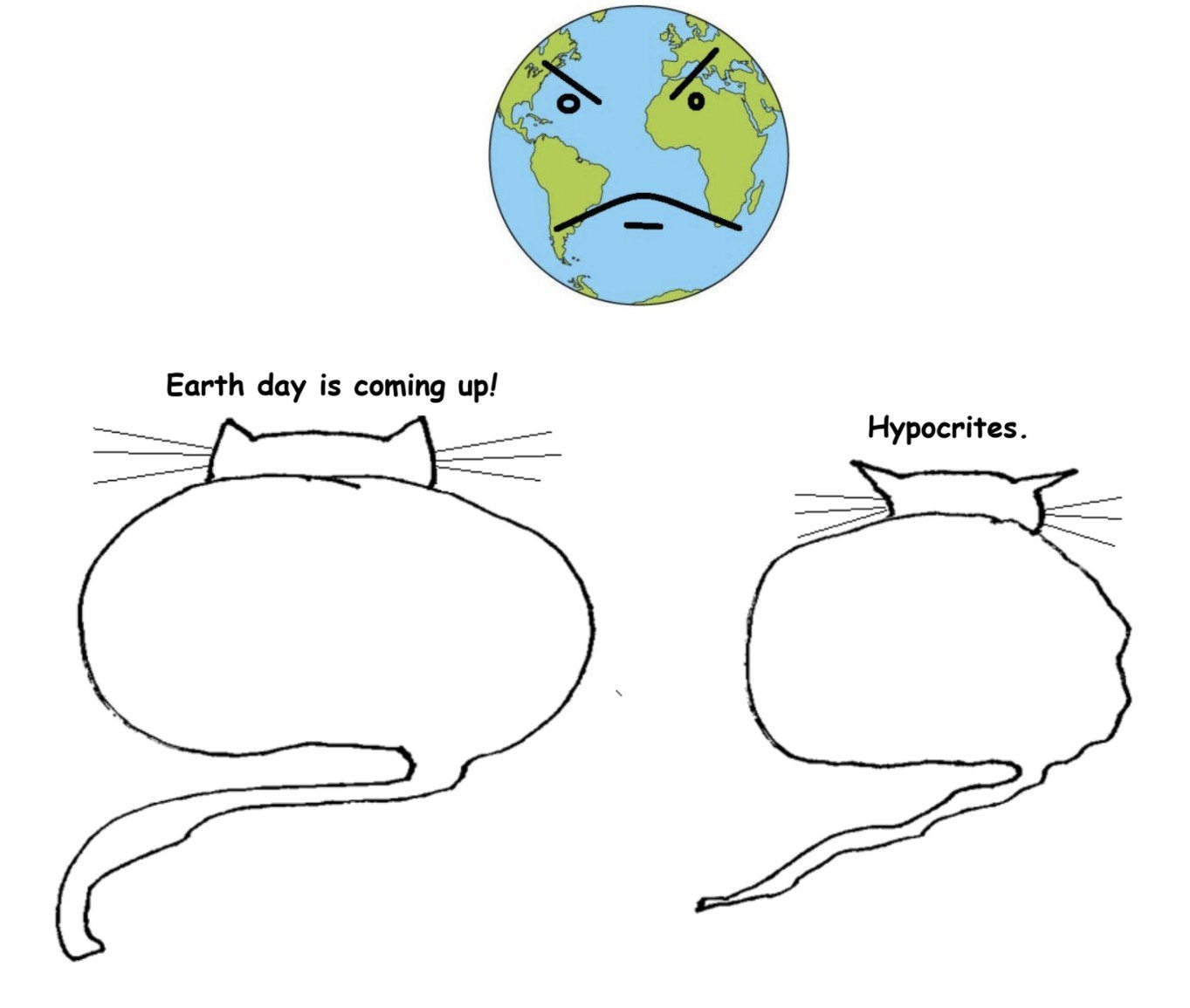

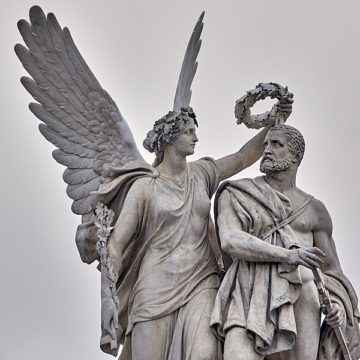
 Of all the secondary discomforts imposed by the pandemic, the most treacherous may be inertia. Life, interrupted, can be characterized as an absence of movement, like a stream that stops running, stagnating as the surface begins to cloud with algae and other still-standing detritus. Inertia that stems from the current situation can quelch any creative impulse. Even cinema, that paradigm of life in motion—the moving picture—isn’t much help if we expect our own lives to keep moving as well as movies do. They don’t, at least not right now.

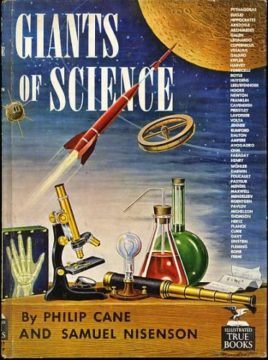 In many ways, the story of my life is the story of books that I have read and loved. Books haven’t just shaped and dictated what I know and think about the world but they have been an emotional anchor, as rock solid as a real ship’s anchor in stormy seas. As the son of two professors with a voracious appetite for reading, it was entirely unsurprising that I acquired a love of reading and knowledge very early on. The Indian city of Pune that I grew up in was sometimes referred to as the “Oxford of the East” for its emphasis on education, museums and libraries, so a love of learning came easy when you grew up there. For 35 years until their mandatory retirement, my parents both taught at Fergusson College in Pune.



 At the 100th anniversary of John Rawls’ birth back in February, some of the most generous op-eds, whilst celebrating the brilliance of his thought, lamented the torpor of his impact. ‘Rawls studies’ are by no means the totality of political philosophy, but they are one of its most significant strands, and his approach has been dominant for the past 50 years. I’m an admirer of political philosophy, having happily spent much time and energy studying it, specifically looking at theories of deliberative democracy, an area with important connections to Rawls’ thought. That political philosophy does not have much to say that is of direct practical concern does not bother me, the sense that it is not just uninfluential, but is disconnected from the reality of the present moment does though.
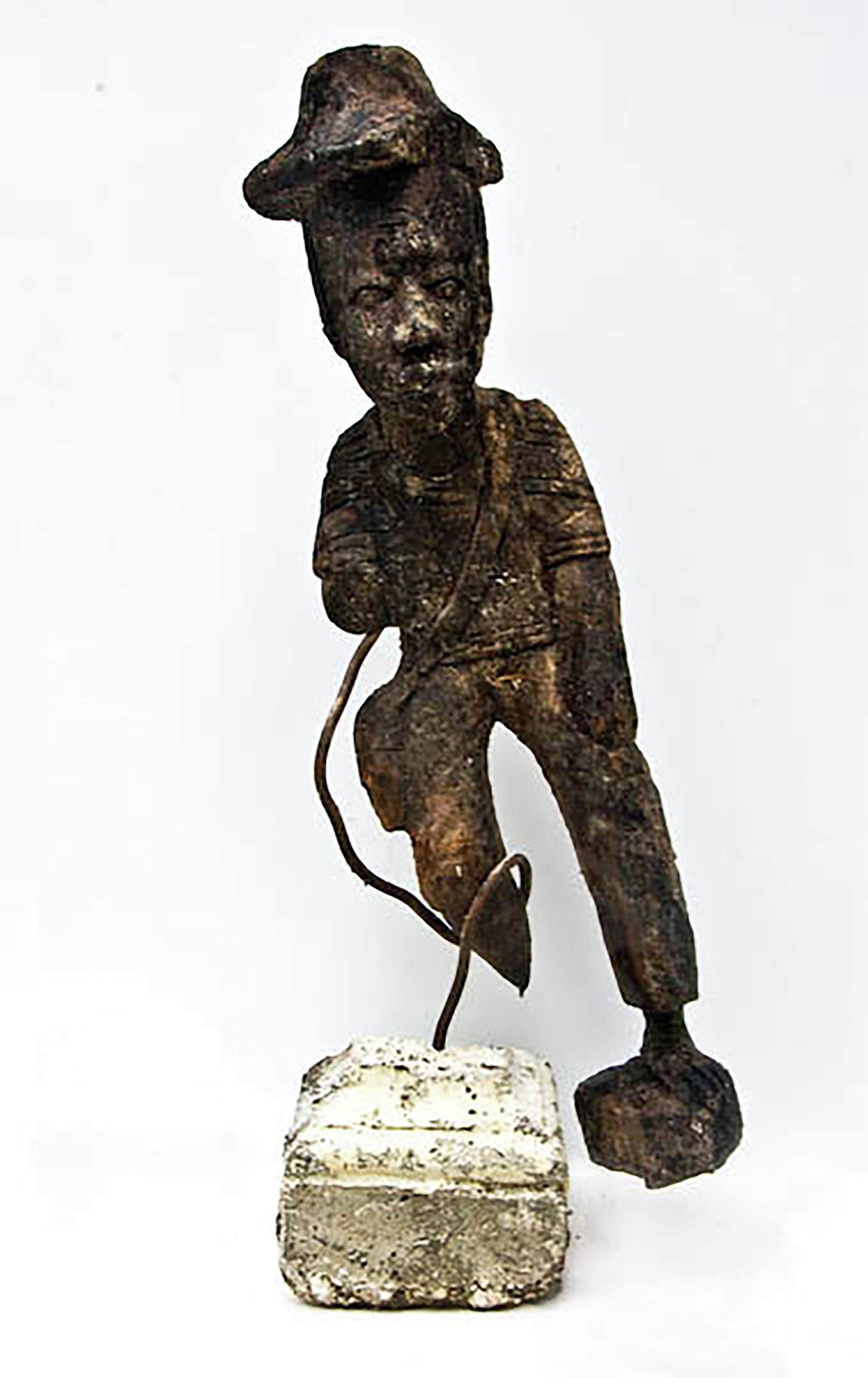 Anderson Ambroise. Rubble Sculpture.