
by Thomas O’Dwyer
With most of the planet under curfew, now might be a good time to ask, where’s my freedom of choice suddenly gone? Who (or what) determined, in some detail, how billions of us should act and behave for the foreseeable future? A troublesome ancient duo has returned – free will and its shady evil twin determinism. By coincidence, they came eerily embedded in a new Apple TV science-fiction series, Devs, of which more soon. I didn’t choose to be “cocooned” (and I’m sure I can’t opt to re-emerge as a pretty butterfly). However, I do choose to write this article and could equally decide not to. Or could I? The editor sent me a reminder that he was expecting it, so I can’t not write it. Why not?
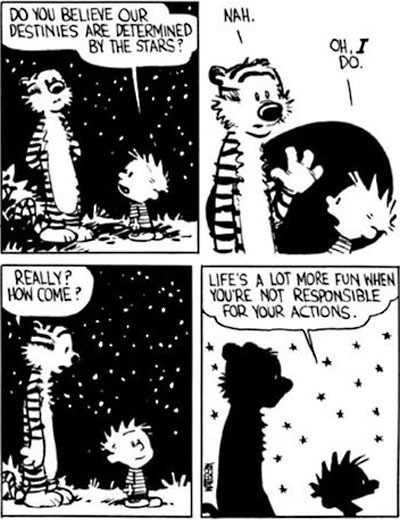 What can I make of these decisions emerging out of the blue, which I appear to act upon “freely?” What are the consequences of how I choose to react to them? Although these are vague philosophical musings, let’s look instead at the science of it all. I’m a layman, neither scientist nor philosopher, but as we are rediscovering, scientists are a less fuzzy lot than philosophers. I’m more likely to ask the woman with the medical degree about the true meaning of my dry cough than to ask philosopher Slavoj Žižek to waffle incoherently about it for 20 minutes. Science observes events and facts and examines the connections between them. Certain phenomena seem to occur together in a sequence.
An hour ago I felt my reading glasses slip, tried to grab them, knocked over a cup which splashed coffee on the sleeping cat. Startled, it jumped to a shelf, dislodged an untidy pile of books which crashed to the floor and the cat fled from the study. It took a few seconds, and stasis returned – but the universe is forever changed. Each event in the sequence “caused” the other. This is a scientific fact easily grasped by the layperson, but such things give philosophers nightmares and more opportunities to tie themselves in convoluted knots. And theologians … no, let’s ignore them entirely. Read more »
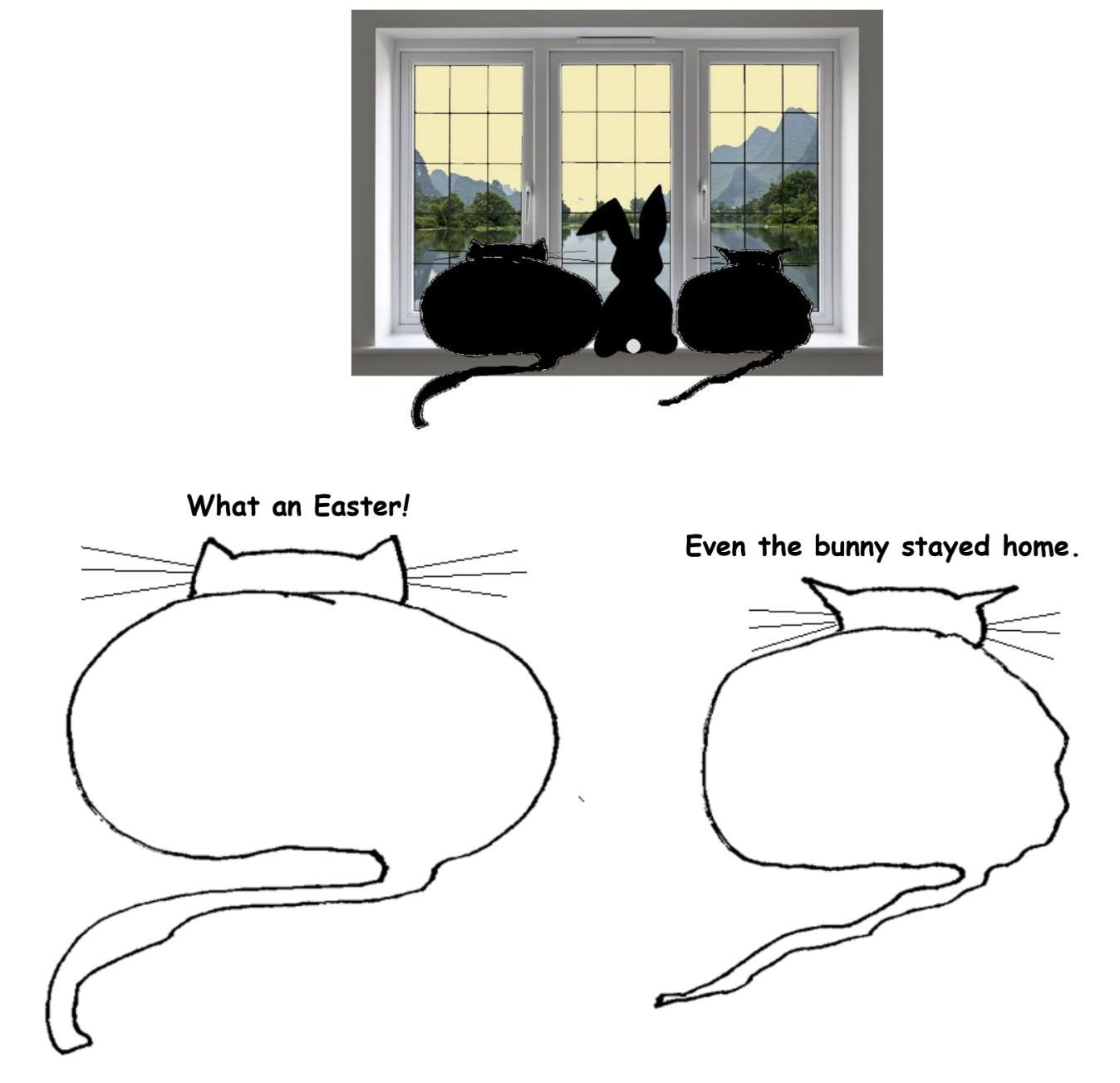
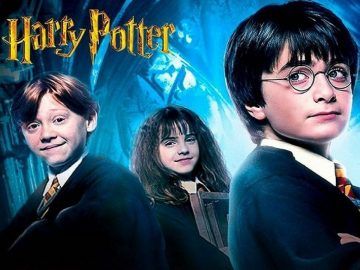 For the same reason as large parts of the world, I spend even more time indoors these days than I already would. One thing I have been doing is rereading the Harry Potter books – or paying Stephen Fry to read them to me.
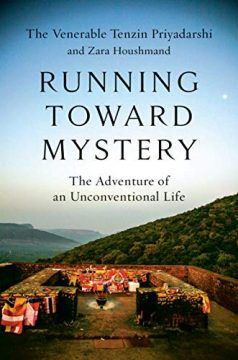 In the memoir, Running Toward Mystery: The Adventure of an Unconventional Life, the Venerable Tenzin Priyadarshi chooses to become a monk at the peak of his youthful potential. He rejects the spiritual path as a mere life enhancer and encourages readers to embark on a more totalizing journey of self-actualization. By embracing mystery, as opposed to cultural explanations, we can arrive at deeper questions. This wish bookends this carefully written memoir, which is co-authored by Zara Houshmand. Despite an already crowded landscape of books depicting religious quests and spiritual advice- both classics and new works – this book is bound to be widely read if for no other reason than Priyadarshi’s current role as a thought leader while serving as the first Buddhist chaplain at Massachusetts Institute of Technology (MIT).
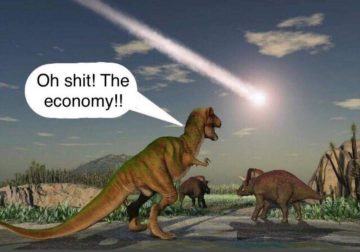 Among other things Covid-19 is a moral crisis. It requires suspending the usual rules about who deserves what, firstly because it is impossible for many of us to pay what we owe in these conditions, and secondly because of the priority of the humanitarian duty to save as many lives as possible. Nevertheless we must not forget about justice. In particular we must make sure that the costs of this crisis are not born disproportionately by the poor, those least able to afford the burden but also least able to escape it.
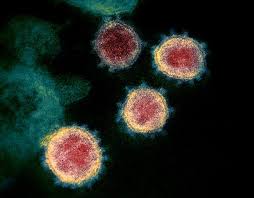 The current Covid 19 pandemic is undoubtedly a disaster for millions of people: for those who die, who grieve for the dead, who suffer through a traumatic illness, or who, suddenly lacking work and income, face the prospect of dire poverty as the inevitable recession kicks in. And there are other bad consequences that one might not describe as ‘disastrous” but which are certainly significant: the stress experienced by all those providing care for the sick; the interruption in the education of students; the strain put on families holed up together perhaps for months on end; the loneliness suffered by those who are truly isolated; and the blighted career prospects of new graduates in both the public and the private sectors.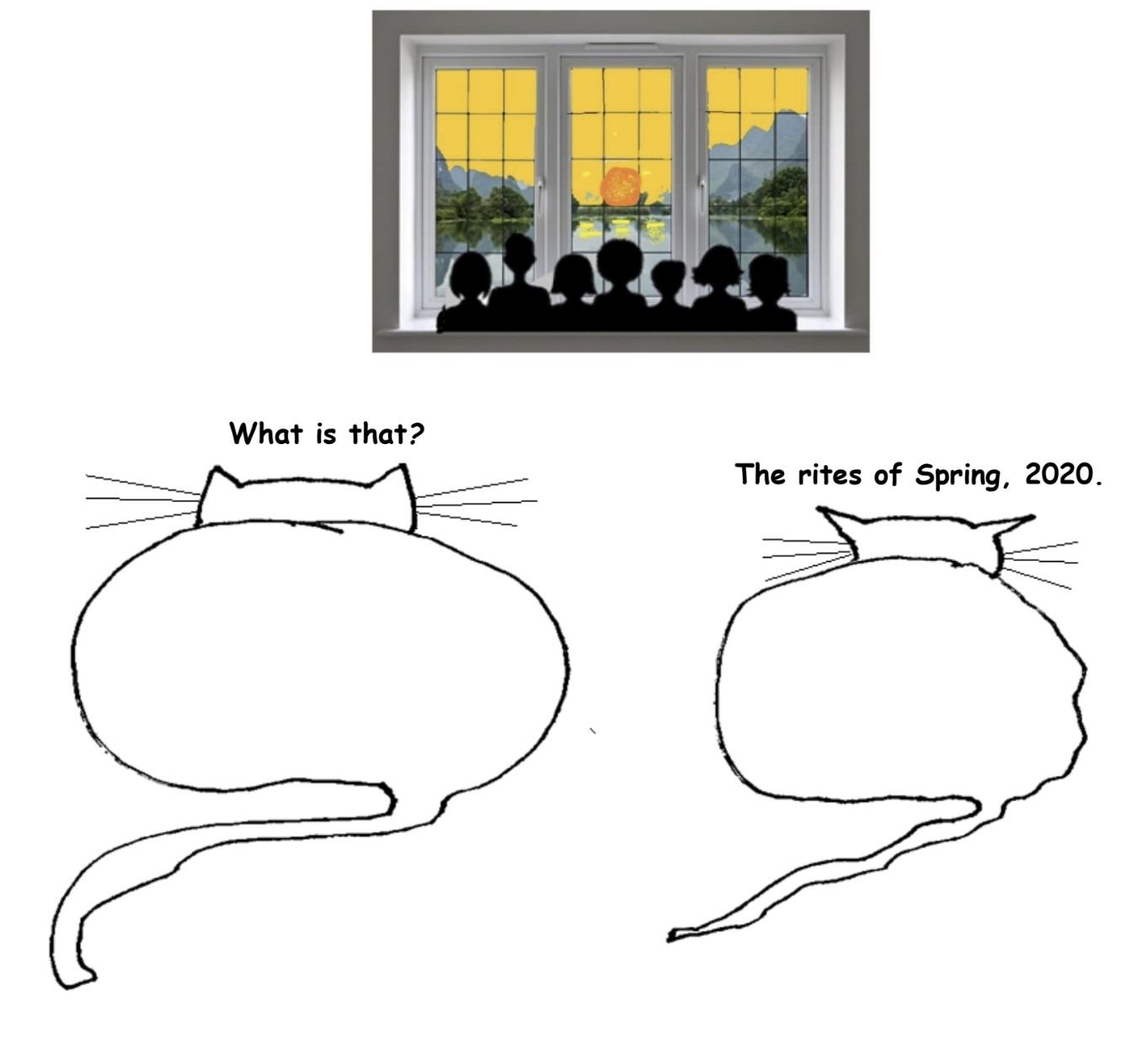
 The coronavirus amounts to an ongoing, real-world experiment in societal response to an international calamity. The pandemic will be studied for decades, but COVID has already taught us much about the relationship between science and decision-making.
 “Will we survive this?” my husband asks me as we lounge around the living room, glued to our laptops. “We are in the vulnerable group.” I look up at a bald man with thinning gray tufts over his ears, peering anxiously at me over black-rimmed glasses. Yes, we are certainly in the vulnerable group. What happened to that bright-eyed young man with fifteen pounds of black hair on his head, the one sporting sideburns that put Elvis to shame? Over his shoulder I see our son also looking expectantly at me, Camus’s The Plague in hand, open halfway.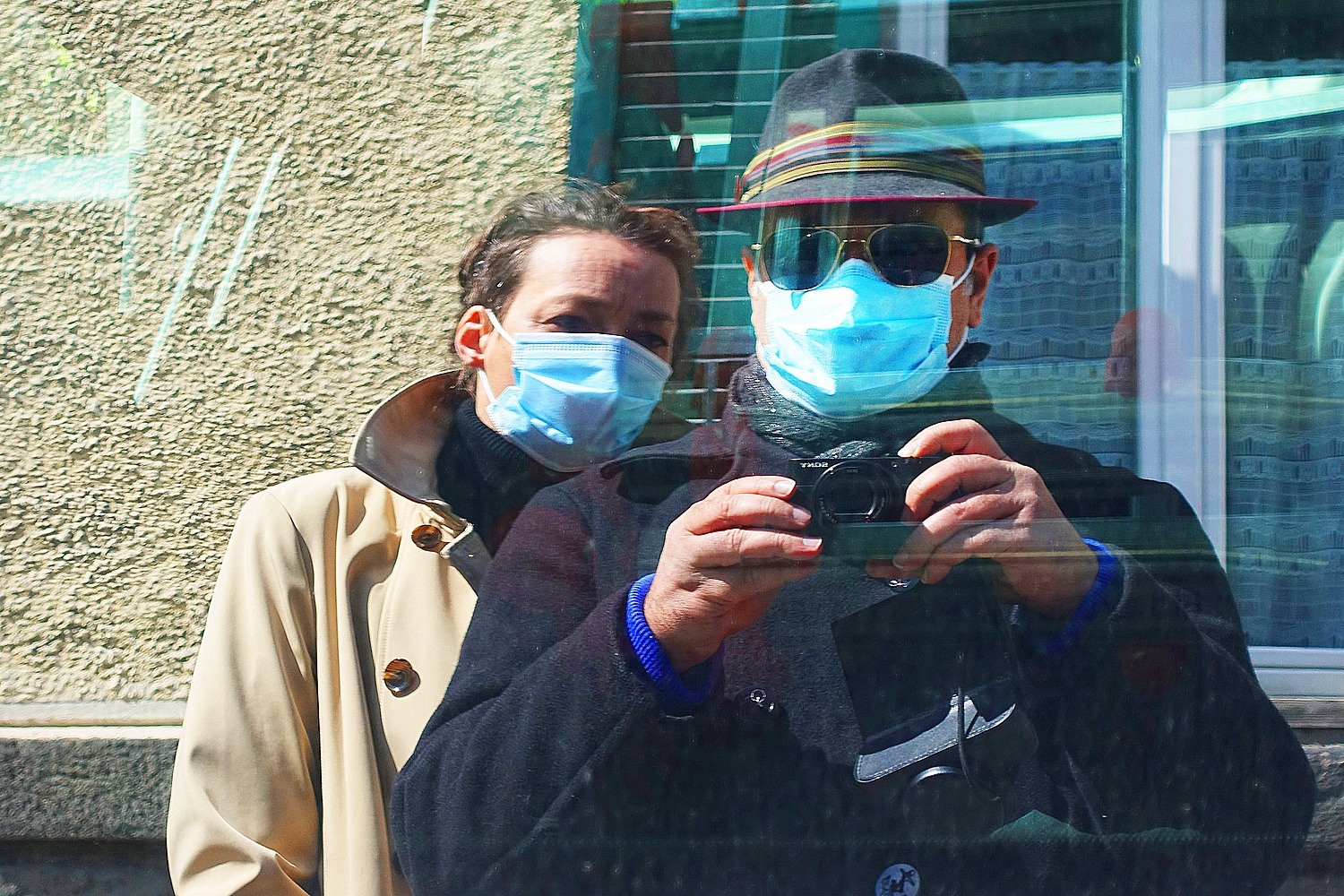
 I’m sitting in front of my window on the world sipping a disappointing Cabernet Sauvignon from Napa Valley and thinking about travel plans for next summer and fall. I’m proceeding as if everything were normal knowing full well they won’t be, especially not with our “leadership”. Every time I try to write something insightful about wine, these lyrics from the bard of Duluth run through my mind: