
by Ethan Seavey
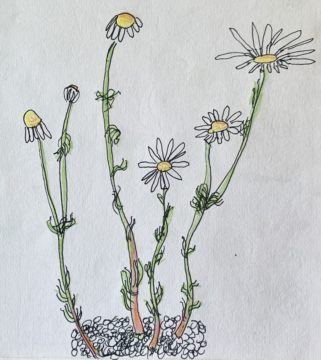
When I was a young boy of Midwestern Suburbia, I plucked a bouquet of dandelions. The flowers were so vibrant, approaching the color of the crayon I’d always use for the sun. I gave them a cup to live in and water to drink; and they were the sun wilting indoors. They sat on the table as I did my homework, until someone older came along to tell me that my flowers were evil and malicious weeds, that I should throw them away before Mom spots them.
That was when I learned: a weed is a dandelion and dandelions should be plucked. When you find one, you go into the garage and find that green metal pole with fingers like a claw machine’s on one end. Then you locate the chest of the weed, push the metal into the ground, raise your foot and stomp on the metal bar. You break up the earth a little; you adjust the pole; and the metal claw is ready and eager to choke it out. At last, you smack the button on the top of the pipe, and those magic iron fingers grab the roots of your prey.
Weeds are dumped on the sidewalk now and gathered into plastic bags later so they don’t re-root or go to seed. Weeds should be pulled before they are little puffballs; and blowing puffballs in the yard is spreading the evil.
Dandelions aren’t the only weeds but they’re the only ones that you’ll see. They are not beautiful; they cannot be, because they are invaders.
In Oak Park, the first suburb west of Chicago, everything is by human design. Every tree is planted and maintained by the village.. Every lawn is a dense green, watered every morning and cut every Saturday. If your yard is unkempt, you are fined. If you plant native, yellow grass, you’re disturbing the system and lowering property values. Read more »
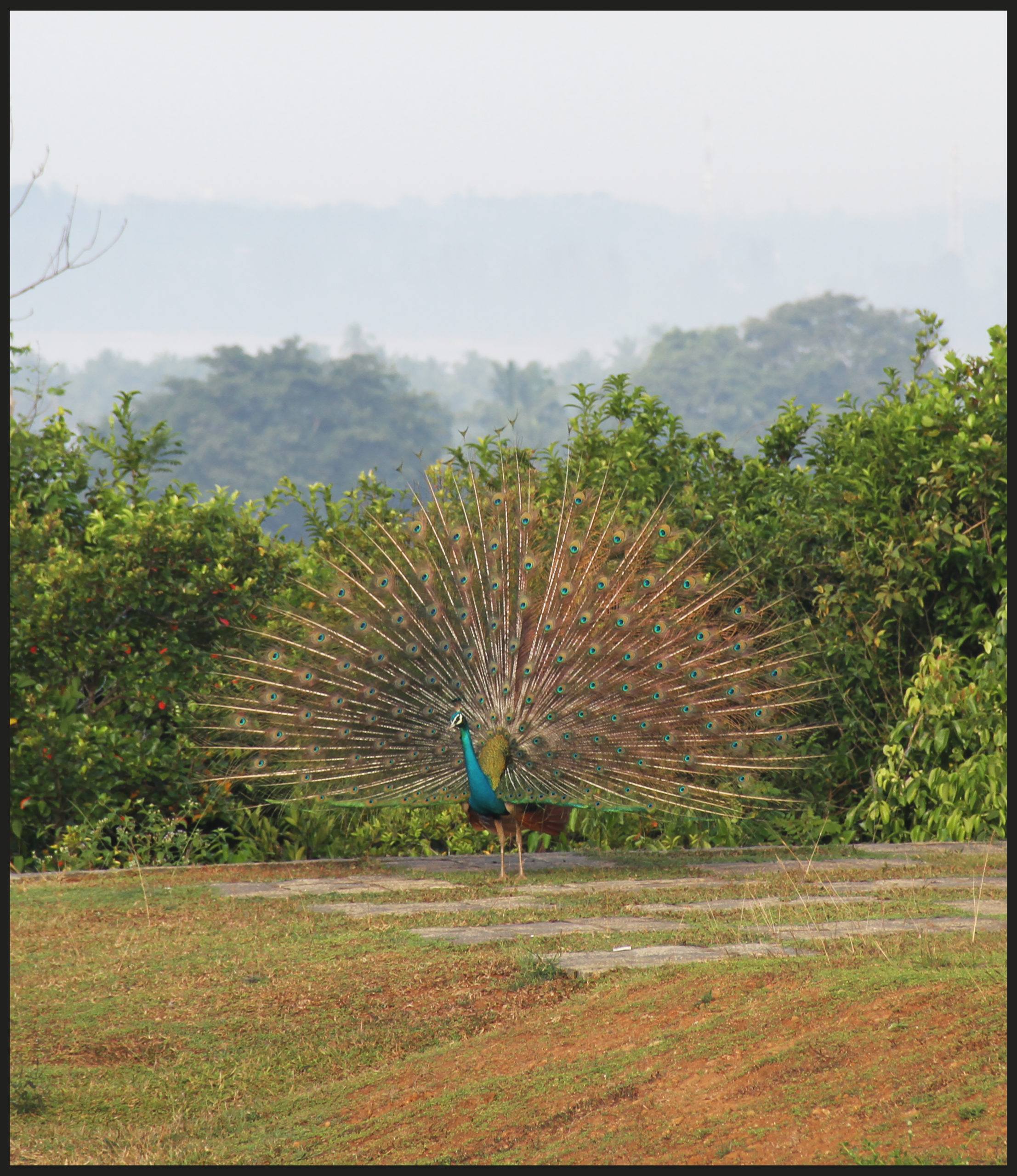 Sughra Raza. HAPPY BIRTHDAY JIM CULLENY!
 A few years back,
 In my Kolkata neighborhood there was one kind of collective action that was unusually successful–this related to religious festivals. Every autumn there was a tremendous collective mobilization of neighborhood resources and youthful energy in organizing the local pujas for one deity or another, and on these occasions almost the whole community participated with devout dedication and considerable ingenuity (including openly pilfering from the public electricity grid for the holy cause—this art locally known as ‘hooking’).
 There are momentary flashes in the aesthetic life of an individual which can’t be explained away by the exigencies of personal taste or the broader parameters of gender-biased inclinations. These random epiphanies may or may not have their roots in a psychologically identifiable pantheon of ‘likes’, but when they occur, they yank us from our routine expectations of a work and catapult us into a recessive-compulsive emotional terrain resembling infatuation—with a breathlessness induced by the sudden recognition of something strikingly familiar and yet completely unrelated to us.
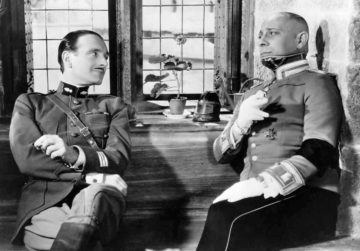 Not long ago, watching an emotional scene between two male Korean detectives in Beyond Evil, I was suddenly transported to Jean Renoir’s anti-war masterpiece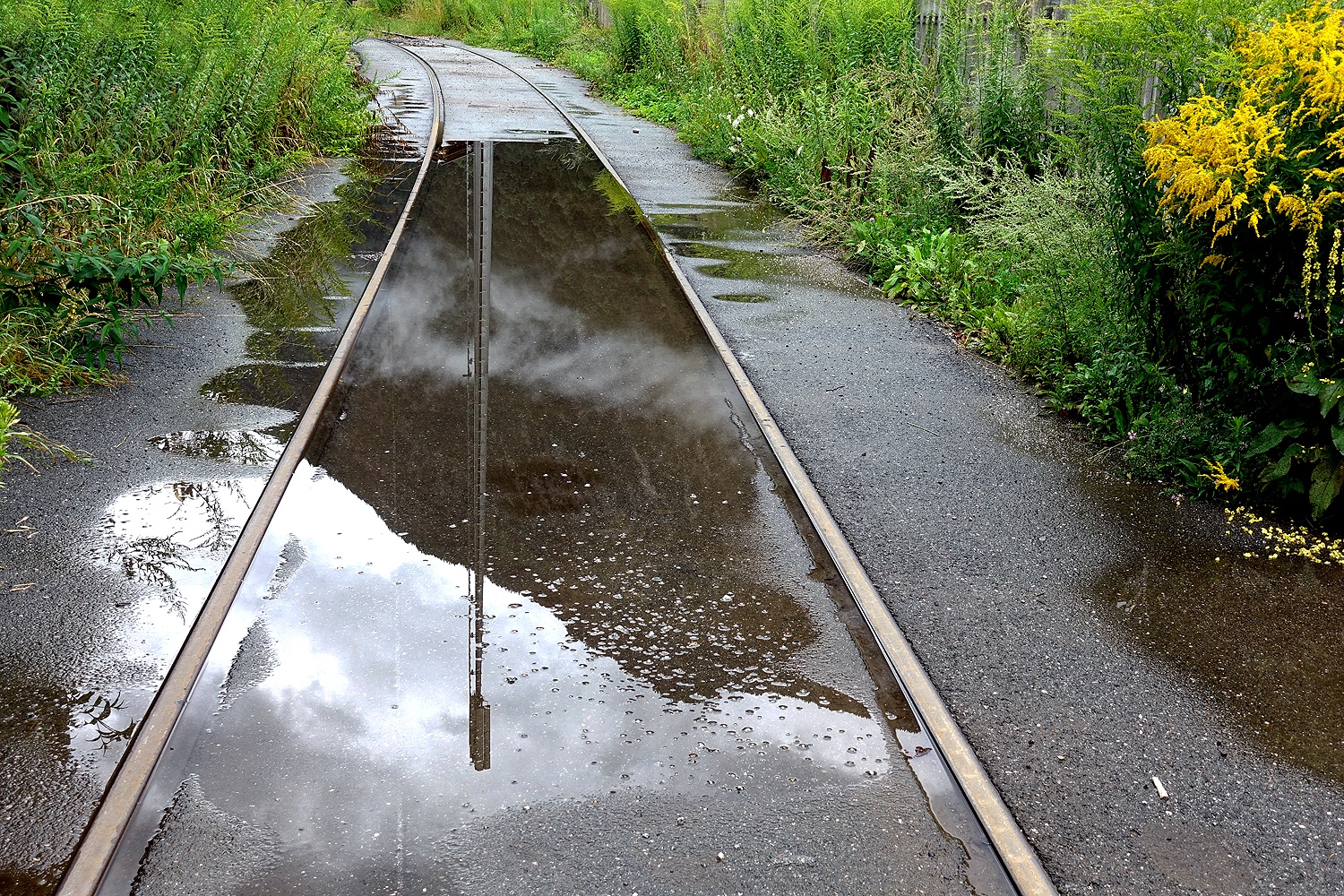


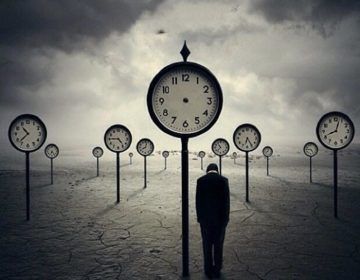
 Luxuriating in human ignorance was once a classy fad. Overeducated literary types would read Schopenhauer and Kierkegaard and Dostoevsky and Nietzsche, and soak themselves in the quite intelligent conclusion that ultimate reality cannot be known by Terran primates, no matter how many words they use. They would dwell on the suspicion that anything these primates conceive will be skewed by social, sexual, economic, and religious preconceptions and biases; that the very idea that there is an ultimate reality, with a definable character, may very well be a superstition forced upon us by so humble a force as grammar; that in an absurd life bounded on all sides by illusion, the very best a Terran primate might do is to at least be honest with itself, and compassionate toward its colleagues, so that we might all get through this thing together.
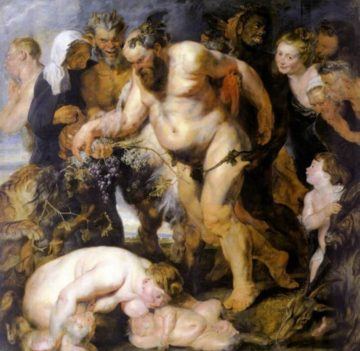 When King Midas asked Silenus what the best thing for man is, Silenus replied, “It is better not to have been born at all. The next best thing for man would be to die quickly.”
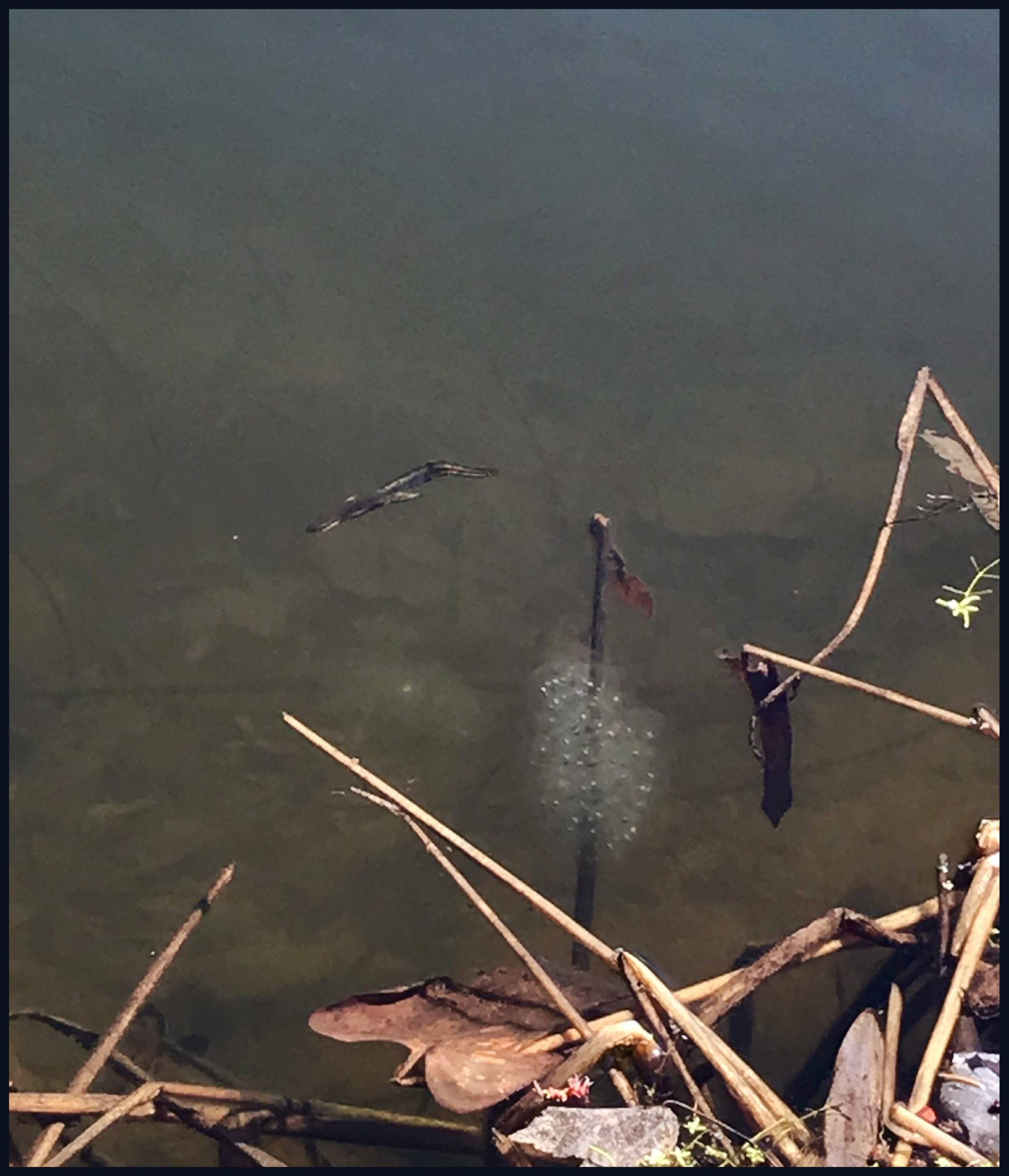 Sughra Raza. Untitled. April 2021


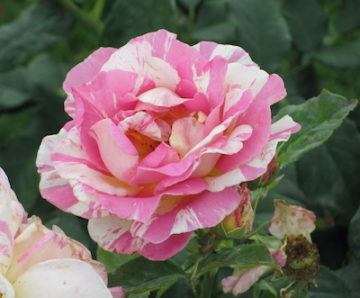 A rose is a rose is…well, you know. Botanically, a rose is the flower of a plant in the genus Rosa in the family Rosaceae. But roses carry the weight of so much symbolism that a rose is seldom only a rose.