by Robyn Repko Waller

In the United States these days, it’s difficult to find a person not profoundly angry about something. Headlines scream of the vaccinated America tired, frustrated, and angry at the vaccine-hesitant and anti-vaxxers. And unvaccinated America in turn, outraged at the local jurisdiction and vaccinated for the increasing restrictions they face in attending school, dining indoors, and enjoying the gym and theater without conceding to a COVID jab. Angry parents are expressing exhausted outrage at school boards for mask policies. Outrage at mask mandates. Outrage at a lack thereof.
The anger isn’t confined to the pandemic. Our social and political landscape is bubbling with anger. Anger at politicians, left and right. Outrage in the form of cancelling. Responding anger at the ‘Cancel Culture.’ Anger about the Afghanistan withdrawal and the tragic humanitarian aftermath. Anger at continued social injustice stateside and abroad. Conversely for some, anger directed at social justice activists. Outrage for the teaching of Critical Race Theory. Anger — but perhaps not enough — that climate change, disrupting and catastrophically reshaping our Earth and its populace, remains largely unaddressed. So much anger.
Americans are angry. But is all of this anger really warranted? And even if it’s warranted, does it do us any good? With the amount of negative appraisal emoted as of late, it seems like a fitting time to step back and explore these concerns.
This is especially so, as political polarization is no longer a novel phenomenon in the US. Whereas once one might take such claims of political shifts to be hype, recent electoral and public health crises stand out as manifest expressions of polarizing views and self-contained communities. Divided towns, divided co-workers, even deeply divided families. Anger at a perceived other is a prominent feature of our current standing. Moreover, clashing moral views plausibly underpin this growing schism in society. Read more »





 In spite of my abiding interest in literature when I came to college I was vaguely inclined to major in History. In the long break between school and college I chanced upon two books of Marxist history which opened me to a new vista of looking at history. The first was Maurice Dobb’s Studies in the Development of Capitalism. This book showed me that there is a discernible pattern in the jumble of facts in history, which attracted me. Soon after, I read a lesser Marxist history book, A.L. Morton’s People’s History of England which showed me how recasting the old widely-known history of England from the people’s perspective gives you new insights. These books whetted my appetite to read more of Marxist history.
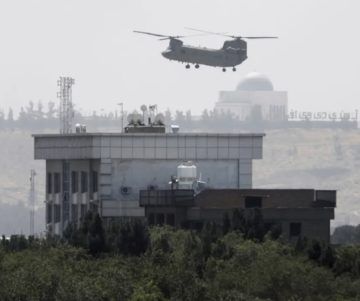 The events in Afghanistan over the last week are being seen as yet another “hinge moment” in history. The images of helicopters evacuating personnel from embassies and people chasing aircraft in desperation to get on them have been seared into the memories of all who have seen them. As a person from the region (Pakistan), a student of history, and as someone interested in the current state of the world, I too have watched these events with a mixture of amazement, trepidation, horror, and perplexity. It is not clear yet whether “hope” or “fear” – or both – should be added to that list. The things I say in this piece are just the thoughts and speculations of a non-expert lay person trying to make sense of an obscure situation. As will be obvious from the rest of this piece, for all the pain and suffering the new situation in Afghanistan will bring to people in Afghanistan, I think that the American decision to withdraw was the only rational choice. The alternative of staying on for years – perhaps decades – to build a better Afghanistan would just be another exercise in paternalistic colonialism. However, the way the withdrawal is happening is a great failure of American leadership and the blame for that lies mainly with the American policies of the last two decades. Perhaps its biggest failure was in not preparing Afghanistan for this day that was sure to come sooner or later. Now the Afghan people – especially women – will pay a price for that failure, but it may also come back to haunt the United States and other great powers. It has happened before….


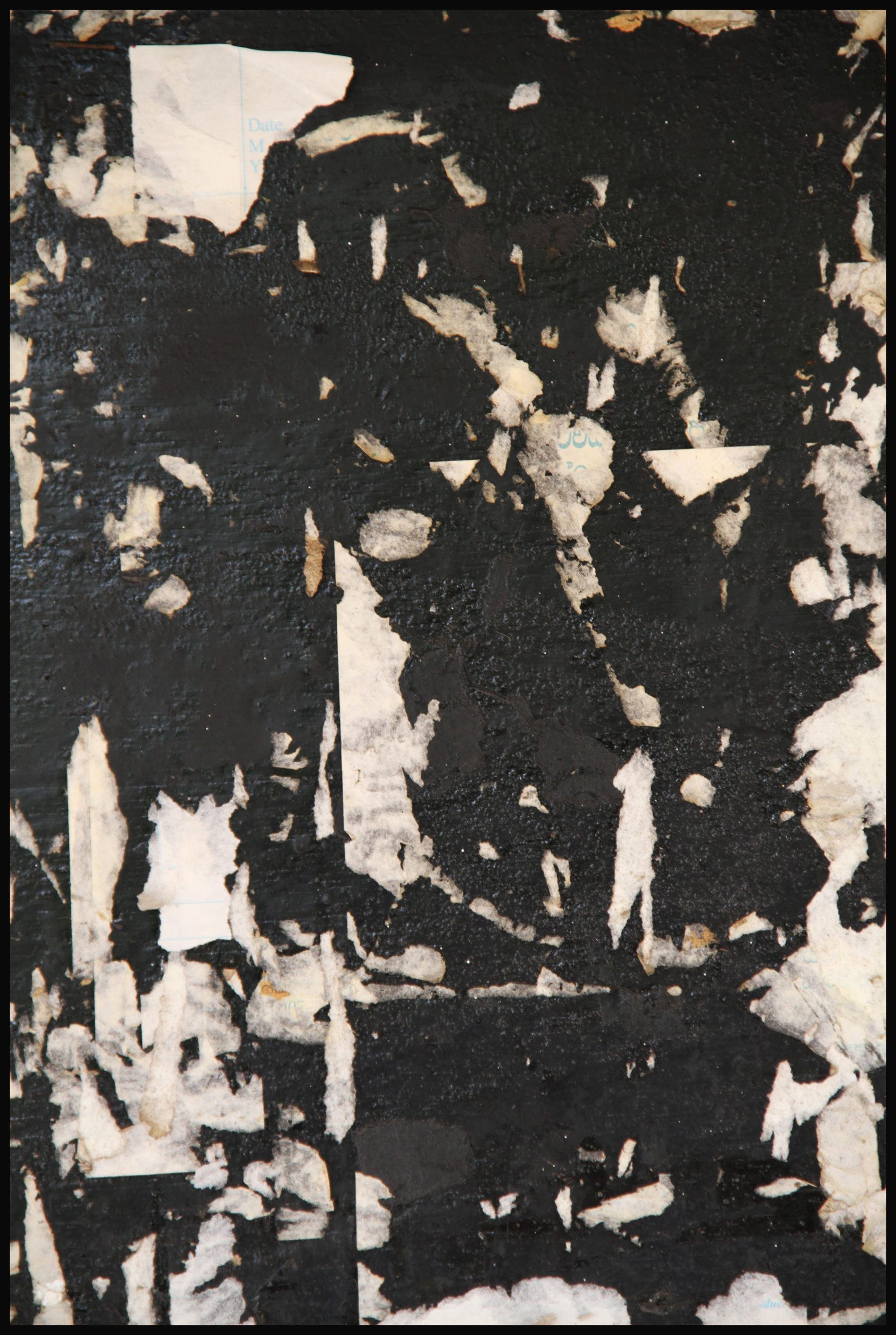 Sughra Raza. Temple Wall Philosophy. Galle, Sri Lanka, 2010.