by Rafaël Newman
One afternoon in the 1980s, when I was at grad school at a university in the northeastern United States, I went for coffee with a slightly senior colleague. A boisterous, opinionated, well-liked Brooklyn native, she was renowned (or notorious, depending on one’s philologico-political position) for applying the latest “French theory” to ancient poetry, for her general sensitivity to the dernier cri emanating from Paris by way of New Haven, and for her reputed personal allegiance to the same polyvalent libertinage attributed to some of the most celebrated authors of classical antiquity.
At a certain point in our conversation, as I expatiated on my own aspirations in the burgeoning world of destabilized narrative and fluid identity, she leaned in close to confide in me, half conspiratorially, half shame-facedly: “Don’t tell anyone, but I’m not a lesbian.”
Her secret was safe with me; but I was shocked.
I daresay that the men with whom I made music almost thirty years later, in a band known as The NewMen, would have had a similar reaction had they heard of my publication of a text bearing on our work together: if they were thus to have their half-spoken suspicions confirmed, that the person who had been passing himself off as an emanation of postmodern subculture, and a disaffected dropout from the groves of academe, was in fact a mole; not the real thing at all, not a flesh-and-blood proponent of the idiom but a desiccated reflector upon it; not a creator but a critic; not the guarantor of folk authenticity via his full bodily and spiritual presence but a neurotic fetishizer of generic typologies—in short, a eunuch in the harem, rather than the sultan himself. Read more »
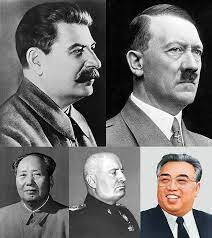 In this oft-reprinted quote from Hannah Arendt’s seminal work The Origins of Totalitarianism, many 21st century readers, particularly those engaged in pro-democracy movements in the United States and abroad, see Donald Trump and the emergent totalitarian formation of Trumpism sewn piecemeal onto the template that she constructed whole cloth from Hitler and Stalin’s political regimes. Although Trump hasn’t yet matched the political power, penchant for violence, or historical significance of Hitler or Stalin, he has made clear his disdain for democracy and exhibits a desire and willingness to use his power and violence to undo its institutional structures. For readers who are encouraged by the emergence of Trumpism and excited by its promise to make America great again, which includes inciting nationalistic pride, putting America’s interests first ahead of global concerns, policing public school curriculum for progressive ideological biases, packing the courts with sympathetic ideologues, and using banal procedural rules to derail the spirit of democratic negotiation and compromise then her work may provide you a cautionary tale regarding the potential implications of delivering on those promises.
 My name is Sarah Firisen, and I’m 5ft 2 inches tall and work in software sales. But I’m also, or used to be, Bianca Zanetti, a 5ft 9 size 0 (which I’m also not), fashion designer and proprietor of a chain of stores, Fashion by B. No, I’m not bipolar. Bianca Zanetti is my Second Life avatar.
 The Naxalite phase in Bengal was a short, tragic chapter in politics, but in Bengal’s cultural-emotional life its implications were deeper, and reflected in its literature (and films)—most poignantly yet forcefully captured by the writer Mahshweta Devi, one of Bengal’s most powerful political novelists. Again and again in the 20th century some of Bengali youth have been fascinated by the romanticism of revolutionary violence–as was the case in the early decades in the freedom struggle against the British (I have earlier mentioned about my maternal uncle caught in its vortex), then again in the 1940’s when the sharecroppers’ movement (called tebhaga) was soon followed by a period of communist insurgency in 1948-50, and then in the Naxalite movement of the late 60’s and early 70’s.
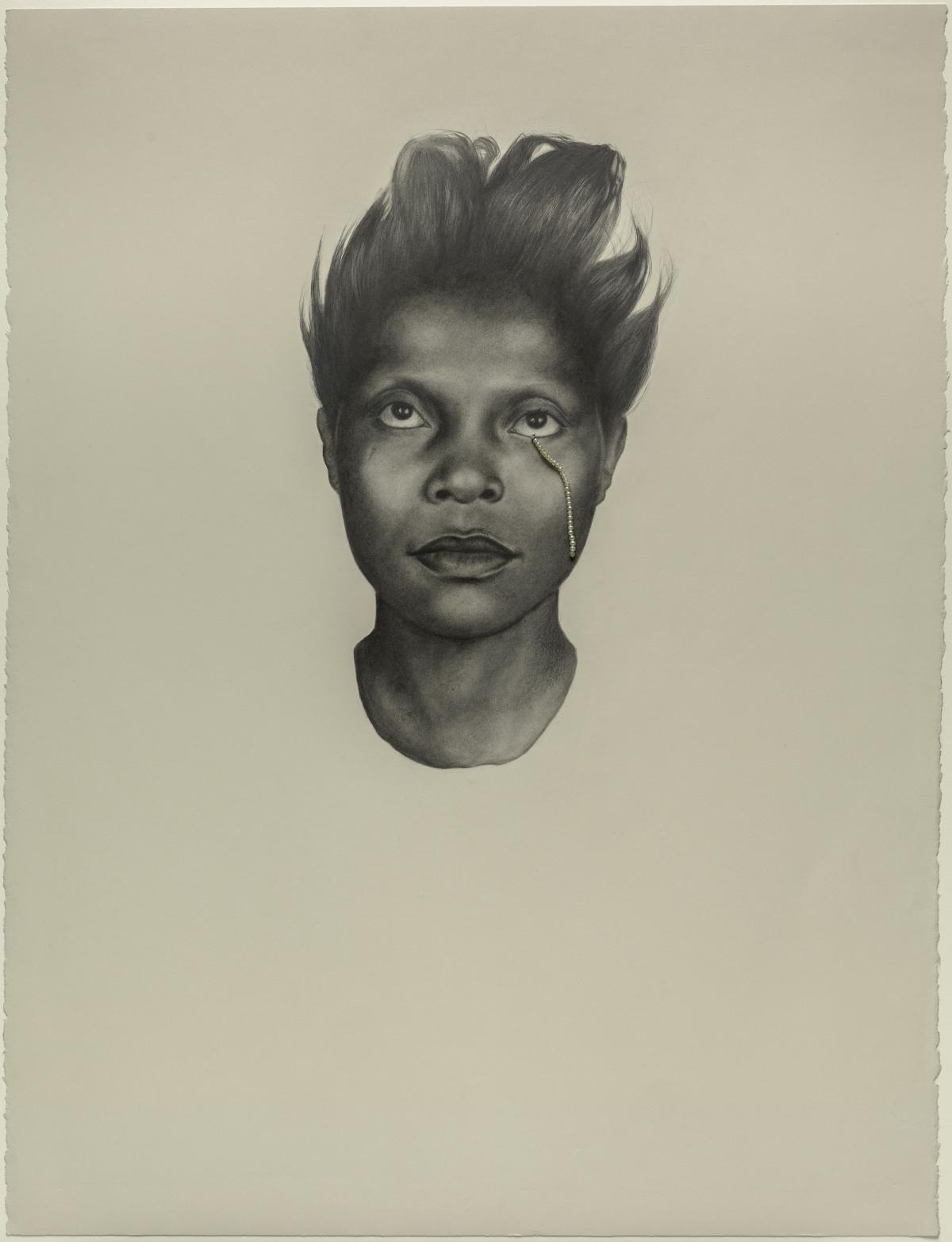 Whitfield Lovell. Kin XLV (Das Lied von der Erde), 2011.
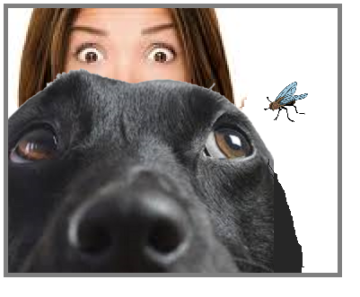 Not long ago, having steeled myself for the read-through of yet another dry but informative assessment of the body’s immune response to Covid 19 and her variant offspring, I was pleasantly surprised to find myself being dragged into a barbaric tale of murder and mayhem, full of gory details and dire strategies.
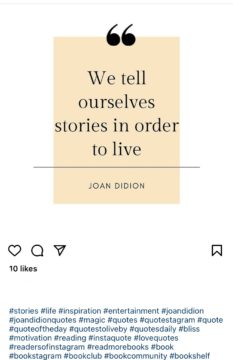 We tell ourselves stories in order to live.