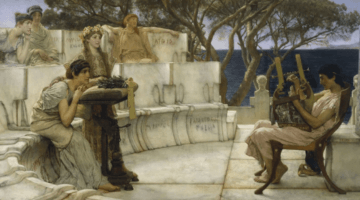
by Mary Hrovat
 In 1995, I made two Christmas mixtapes that I labeled A Very Mary Christmas. I had recently gone through a period of wondering whether it made sense to go on celebrating Christmas, given that I’d stopped believing in the Christian story years earlier. In particular, I’d thought about whether I wanted to go on listening to Christmas music—especially the old traditional carols I love, many of which have explicitly religious lyrics. In the end, I decided that there were other good reasons to celebrate the time around the winter solstice. I made the mixtapes in a spirit of enjoying winter and celebrating both the darkness and the light to be found in family and friends. I kept some of the traditional carols (some only in instrumental versions) and religious music—Handel’s Messiah, for example. In addition, I included music that’s not traditionally considered Christmas music or even winter music; hence the now mildly embarrassing substitution of Mary for Merry.
I put together four 45-minute playlists that covered two 90-minutes cassettes. The first playlist was essentially my very own greatest hits for December. I opened with Jethro Tull’s “Ring Out, Solstice Bells” and followed that up with Canzona per sonare No. 2 by Giovanni Gabrieli, which has always seemed particularly jubilant to me. This playlist included my favorite songs from two albums I remembered from my childhood: one of the Robert Shaw Chorale singing traditional carols a cappella, and a 1963 album called The Spirit of Christmas with the Living Strings. I’m not sure I’d like that one if I heard it for the first time now, but musical taste doesn’t have much to do with it. That album calls up my childhood Christmases as no other music does—a mixed blessing, but it’s too deeply embedded in my memories to ignore. Read more »
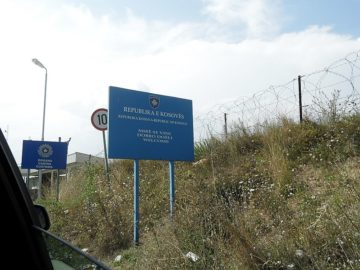


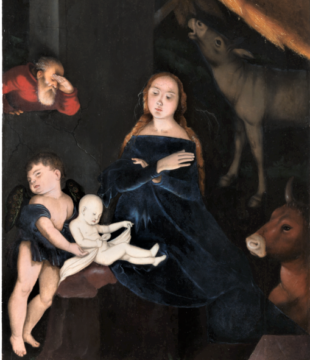
 When people take to the street to protest this is often supposed to be a sign of democracy in action. People who believe that their concerns about the climate change, Covid lockdowns, racism and so on are not being adequately addressed by the political system make a public display of how many of them care a lot about it so that we are all forced to hear about their complaint and our government is put under pressure to address it.
 Carl Weinberg, in his excellent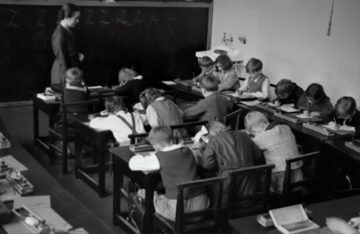
 Loriel Beltran. P.S.W. 2007-2017





 It’s 6:15 on the Erakor Lagoon in Vanuatu. Women in bright print skirts paddle canoes from villages into town. Yellow-billed birds call from the grass by the water’s edge, roosters crow from somewhere, and the low rumble of the surf hurling itself against the reef is felt as much as heard.