
by David Greer
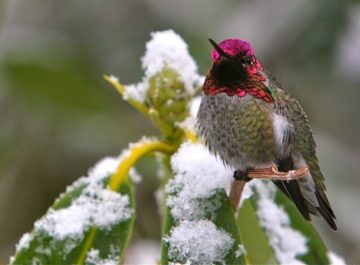
There’s a bird that weighs no more than an average paper clip and is one of the fiercest fliers on the planet. There once was a bird that weighed around half a ton, the same as an average cow, and laid an egg as large as 150 chicken eggs. The elephant bird is long gone but the bee hummingbird remains fighting fit. The only dinosaurs to survive the last mass extinction sixty-six million years ago, birds have evolved since then to fit into every available ecological niche, and today are the most widely distributed form of life on the planet other than microscopic organisms.
Birds are fascinating for any number of reasons, not least because of the mind-boggling variations in size that evolved through the tens of millions of years before humans stumbled onto the planetary stage. For the most part, the large flightless birds had been driven to extinction as humans spread across the planet, and close to two hundred other bird species are believed to have made their final exit during the last five hundred years as humans have largely converted the natural world to serve their own purposes during the latest geological epoch, the Anthropocene. Read more »





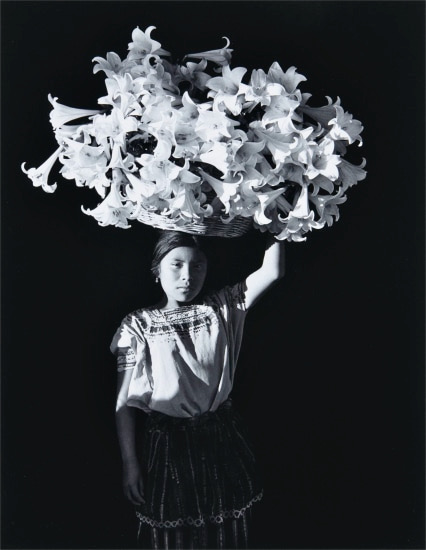 Flor Garduno. Basket of Light, Sumpango, Guatemala. 1989.
 In 1965, John McPhee wrote an article for The New Yorker titled “
 Watching the Oathkeepers cry during the federal court trials under the charge of sedition, I considered the fate of seditious Loyalists during the Revolutionary War whom they most closely resemble in the topsy-turvy world of contemporary politics. The Revolutionary War was a civil war, combatants were united with a common language and heritage that made each side virtually indistinguishable. Even before hostilities were underway, spies were everywhere, and treason inevitable. Defining treason is the first step in delineating one country from another, and indeed, the five-member “Committee on Spies’ ‘ was organized before the Declaration of Independence was written.