Minouche Shafik at Project Syndicate:
 It is a multipolar world, with China, Russia, India, Turkey, Brazil, South Africa, and the Gulf states challenging the old order, alongside other emerging powers demanding a greater voice in shaping the rules of the international system. Meanwhile, belief in “universal values” and the idea of an “international community” has waned, as many point to the hypocrisy of rich countries hoarding vaccines during the COVID-19 pandemic and the response to the Ukraine war compared to the failures to act in response to humanitarian crises in Gaza, Sudan, and many other places.
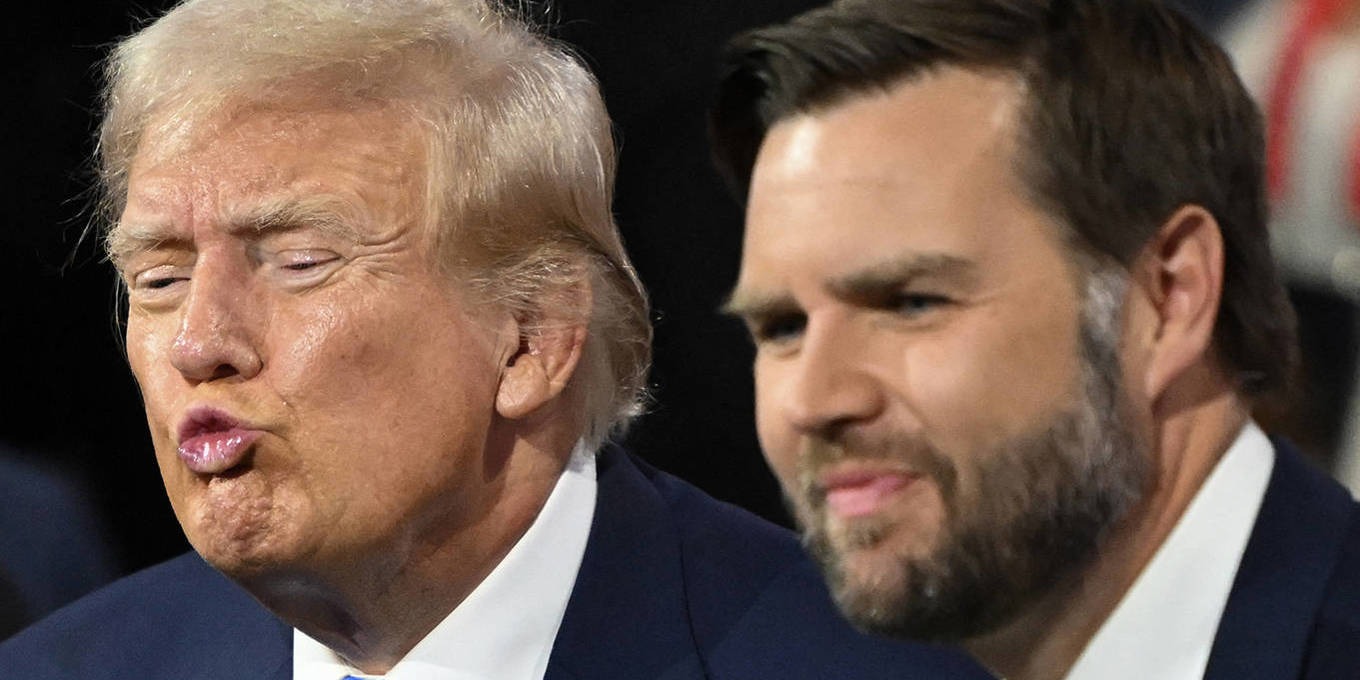
Adding to these pressures, US President Donald Trump has threatened to withdraw the security guarantees that have been crucial for Europe and Japan, quit many international organizations, and impose trade tariffs on friends and foes alike. When the guarantor of the system walks away from it, what comes next?
We may be heading to a zero-order world in which rules are replaced by power – a very difficult environment for smaller countries. Or it may be a world of large regional blocs, with the United States dominating its hemisphere, China prevailing over East Asia, and Russia reasserting control over the countries of the former Soviet Union. Ideally, we can find our way to a new rules-based order that more accurately reflects our multipolar world.
To get there, we need to better understand why the old order failed.
More here.
Enjoying the content on 3QD? Help keep us going by donating now.
 Most work using
  Slaves freed themselves. With this majestic assertion in 1935, W.E.B. Du Bois all but cemented
  A
A  In December 1999, around her 65th birthday,
 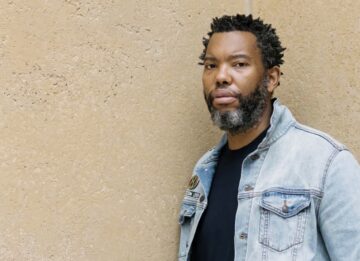 Coates’s The Message grapples with the question of whose stories get told, and how that forges our reality. As he writes halfway through: “Politics is the art of the possible, but art creates the possible of politics.” Known for his searing critiques of racial injustice, he came to wider attention with a 2014 essay
  In early February 2020, China
 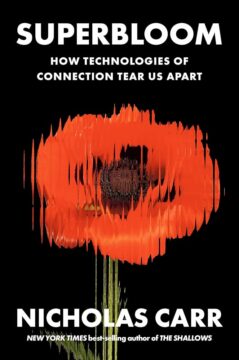 Self-expression is good, we tell ourselves, and it’s good to hear what others have to say. The more we’re able to converse, to share our thoughts, opinions, and experiences, the better we’ll understand one another and the more harmonious society will become. If communication is good, more communication must be better.
 M
M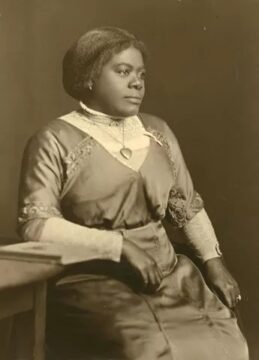 Mary McLeod Bethune (1875-1955)
 C
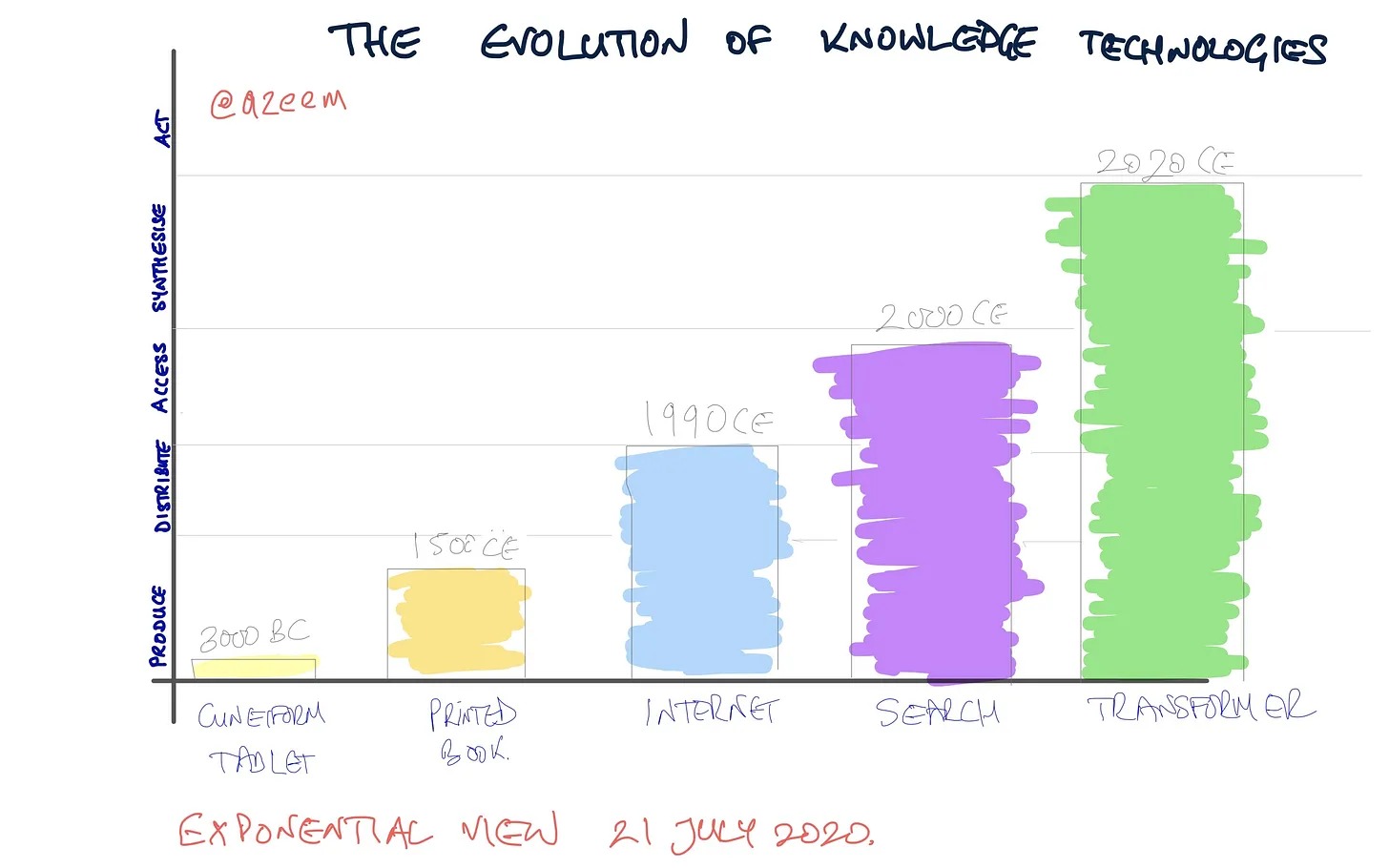
C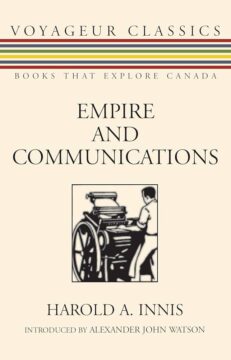 With its emphasis on media’s formative role in a society’s development, “Minerva’s Owl” would come to be seen as a founding document — maybe the founding document — of the academic discipline of media studies that emerged in the second half of the twentieth century. In 1964, the celebrated media savant Marshall McLuhan, who like Innis was a professor at the University of Toronto, wrote that he saw his own recent book, The Gutenberg Galaxy, as “a footnote to the observations of Innis.” The distinguished American educator and media theorist James Carey called Innis’s work “the great achievement in communications on this continent.”
 S
S