by Dave Maier
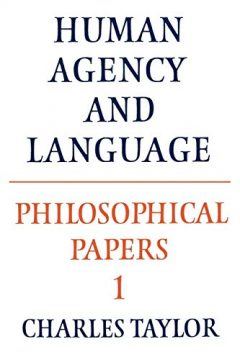 Last time, in part 1, I distinguished two strategies for combating philosophical modernism of a certain dated kind: a pluralistic post-empiricism (the exact nature of which I left open for now), and a more narrowly focused post-phenomenological approach which regards the former (and/or its main components) as merely another form of the supposedly mutually rejected picture. In sections I and II, I discussed Charles Taylor’s and Hubert Dreyfus’s phenomenological criticisms of Richard Rorty and John McDowell; today I continue with a look at Taylor’s analogous criticism of Donald Davidson. As before, the point is not to reject phenomenological approaches, but instead merely to understand why Davidson looks to Taylor even less like an anti-Cartesian ally than do Rorty and McDowell, and thus why Taylor will not be impressed by a pragmatist strategy of multiple philosophical tools in which Davidsonian semantics plays a major role. Let me also say that in reading a lot of Taylor’s work recently, I was quite impressed with the scope and rigor of his overall project, and I think that what I present as his drastic misreading of Davidson’s philosophy may most likely be detached and discarded without threatening that project. Or so it seems to me at present. Read more »

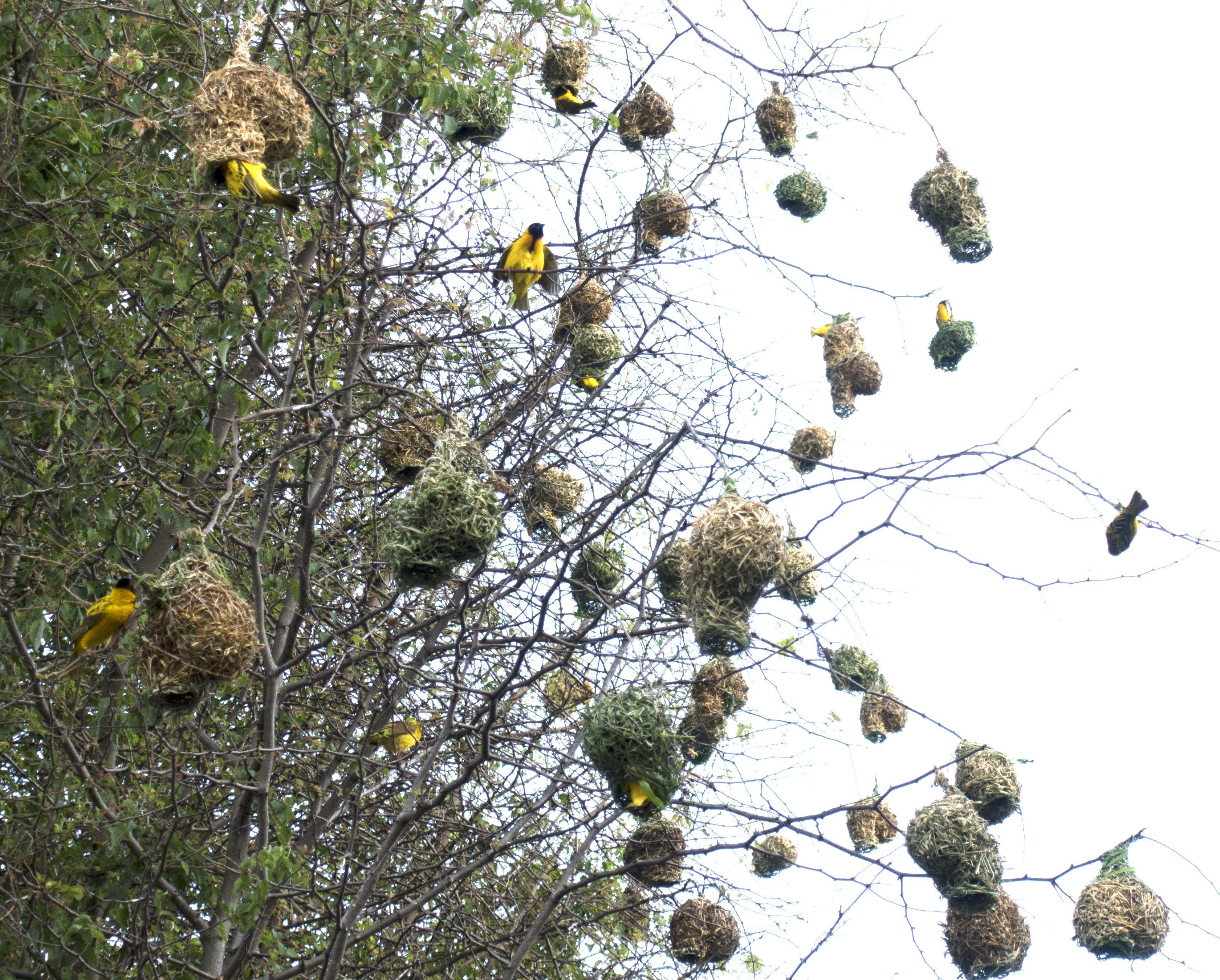 Sughra Raza. Lesser Weaver Nests, Akagera National Park, Rwanda. 2018.

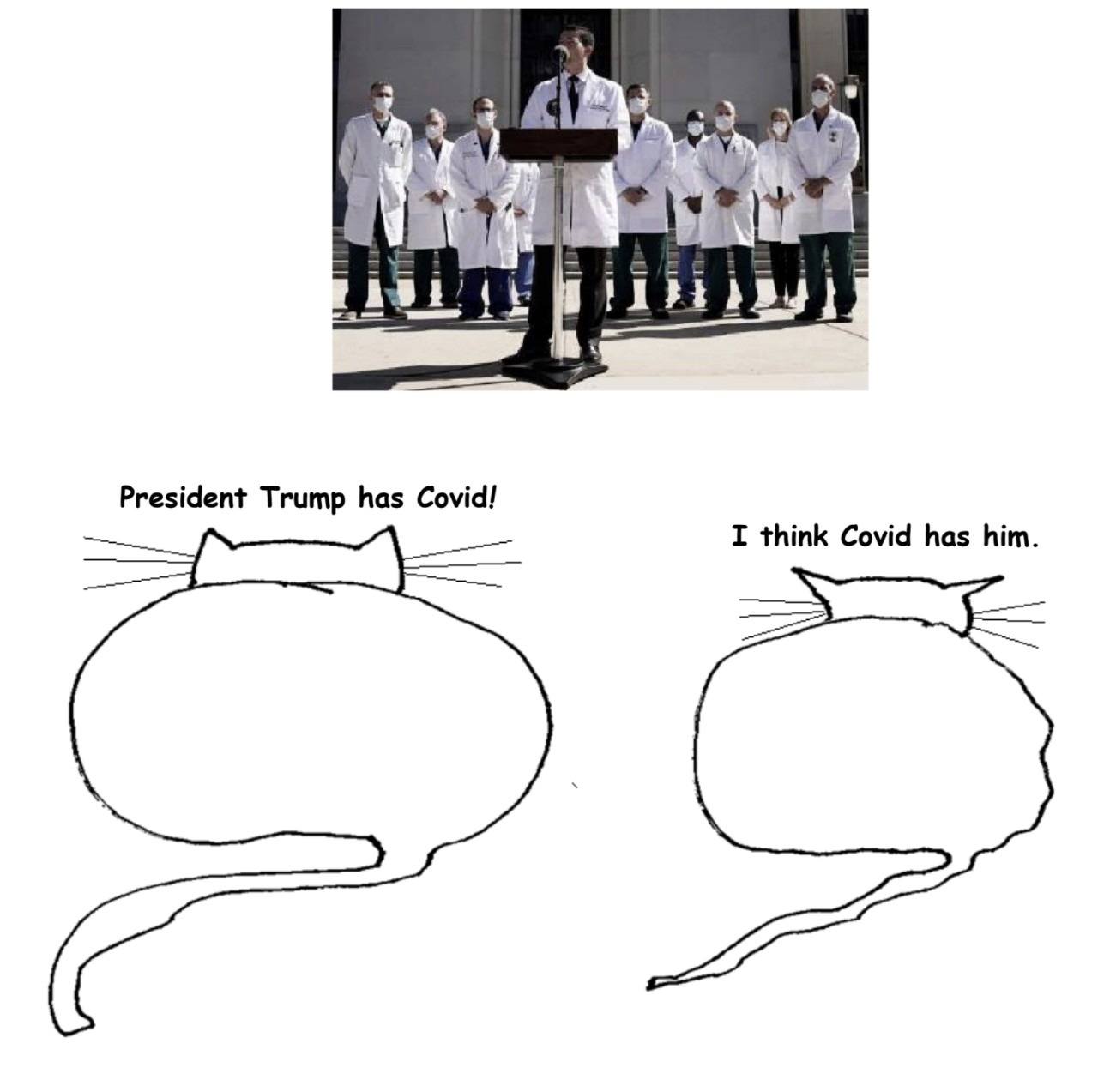
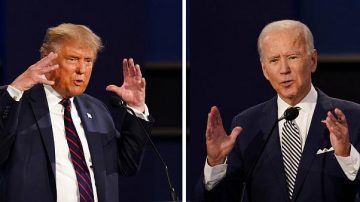
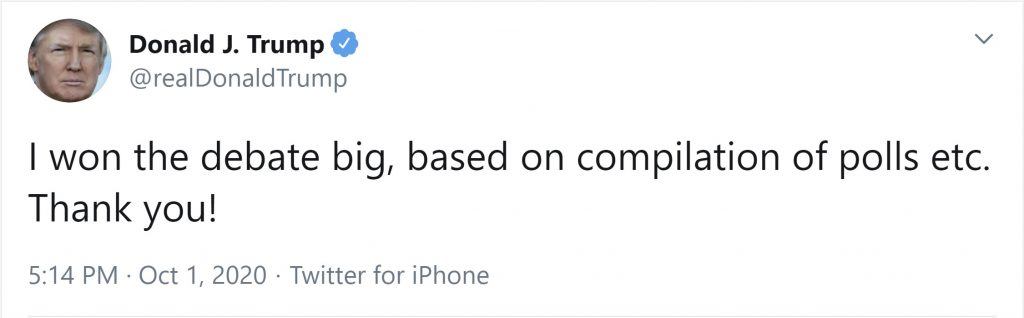
 Donald Trump’s presidency has generated a greater than normal interest in American politics, but not necessarily for the right reasons. How, people wondered, could such a poorly qualified candidate, and, as we have seen over the years, of equally poor calibre possibly become the President of the United States and leader of the ‘free’ world?


 Irish-Canadian author
 In my earlier column, “