
Joseph Stiglitz in The Guardian:
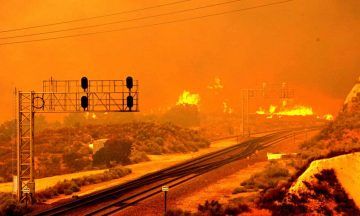 Advocates of the Green New Deal say there is great urgency in dealing with the climate crisis and highlight the scale and scope of what is required to combat it. They are right. They use the term “New Deal” to evoke the massive response by Franklin Delano Roosevelt and the United States government to the Great Depression. An even better analogy would be the country’s mobilization to fight World War II.
Critics ask, “Can we afford it?” and complain that Green New Deal proponents confound the fight to preserve the planet, to which all right-minded individuals should agree, with a more controversial agenda for societal transformation. On both accounts the critics are wrong.
Yes, we can afford it, with the right fiscal policies and collective will. But more importantly, we must afford it. The climate emergency is our third world war. Our lives and civilization as we know it are at stake, just as they were in the second world war.
When the US was attacked during the second world war no one asked, “Can we afford to fight the war?” It was an existential matter. We could not afford not to fight it. The same goes for the climate crisis. Here, we are already experiencing the direct costs of ignoring the issue – in recent years the country has lost almost 2% of GDP in weather-related disasters, which include floods, hurricanes, and forest fires.
More here.
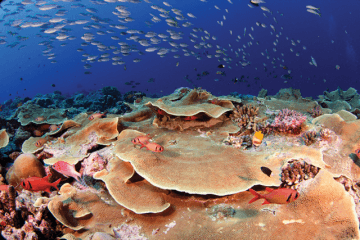 Today, news of damaged or devastated coral reefs has become commonplace. Reefs face many threats, including bleaching, disease, overfishing, pollution and even invasive species. While the fates of the reefs may seem almost universally bleak, some scientists think the future of these vital marine ecosystems could be more complicated—and perhaps even hopeful. Ecologist
 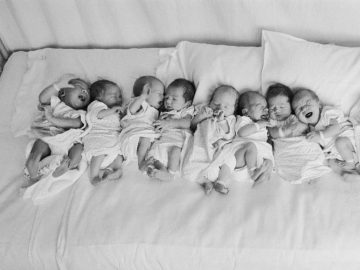 One Saturday night a few months ago, a friend of mine who works in the tech industry announced the good news that she and her husband were expecting a baby. This September, they will engage in that quintessential parenting ritual: a mad dash to the hospital and the return home with their newborn. Their birth experience, however, will have a modern twist. My friend is not having the baby herself. Their new arrival will come courtesy of a female stranger whom they screened, paid and entrusted to incubate their embryo. Only after their surrogate goes into labour will they make their way to the hospital, flying from the Bay Area to southern California, where their surrogate lives and will deliver their child.
 David Papineau in Aeon:
 Bhakti Shringarpure in Africa is Not a Country:
 Henry Farrell interviews Sheri Berman over at the Washington Post:
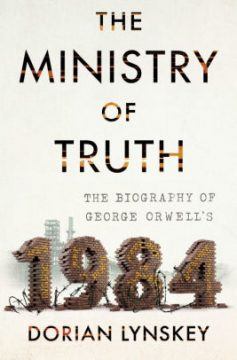 What a difference a decade makes. In 1940 George Orwell published his eighth book, the essay collection Inside the Whale, but when the Nazis in the same year drew up a list of Britons to be arrested after the planned invasion, his name wasn’t included. It was, observes Dorian Lynskey in his superb new book, ‘a kind of snub’. By the time Orwell died in January 1950, however, he was being acclaimed around the Western world as one of the great defenders of democracy and liberty, and had just been adjudged, for the first time, worthy of an entry in Who’s Who.
 A
A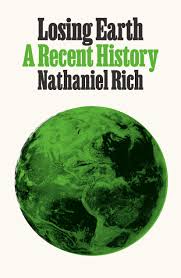 Forty years ago, Nathaniel Rich tells us in Losing Earth, global warming was better understood by the general public and US politicians than at any time since. Moreover, the opportunity to broker a global treaty to reduce emissions of greenhouse gases had presented itself, and the political will existed for the US to lead on the issue. Had action been taken, we could have stopped climate change in its tracks, much as we halted ozone depletion with the 1989 Montreal Protocol to phase out chlorofluorocarbons (CFCs).
 As Speaker of the House
  You know a book has entered your bloodstream when the ground beneath your feet, once viewed as bedrock, suddenly becomes a roof to unknown worlds below. The British writer
  Today we’re going to discuss the Canterbury Tales. You’ve just written a biography of Geoffrey Chaucer. What would someone learn from your biography about Chaucer that they might not have known before?
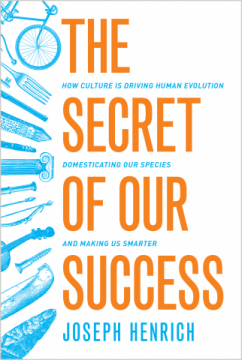 “Culture is the secret of humanity’s success” sounds like the most vapid possible thesis.
 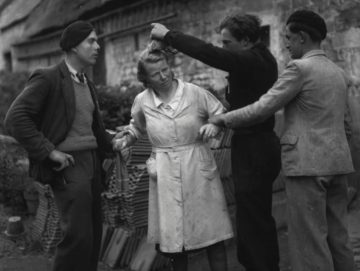 They called it the épuration sauvage, the wild purge, because it was spontaneous and unofficial. But, yes, it was savage, too. In the weeks and months following the