By Maniza Naqvi
“With such love, oh beloved, at this time, the memory of you has placed its hand on my heart’s visage/ A sensation, still, though now it is the morning of separation, set the day of exile, arrived reunion’s night.”
Is qadr piyaar sey, eh, jan e jahan rakha hai/Dil ke rukhsaar par is wakht teri yad nay hath.
Yun guma ho tha hai garchey hai abhi subhay firaq/Dhal, gaya hijr ka din ah bhi gayee wasal ki raat.
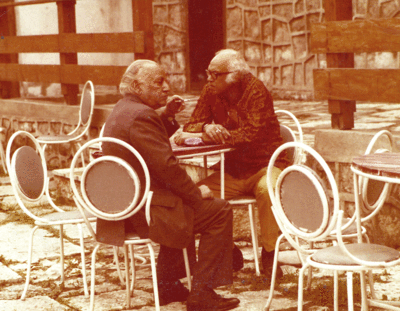
And in this moment as I write this piece which is meant to be about this photograph and about the immortality and intensity of poetry and poets, I search for Ami’s gentle touch. Ami with her perfection in relating her understanding of meanings, her precision of thought, her clarity of language and her passion for prose filled my life with poetry. My understanding of Urdu poetry was through Ami and my father. Ami recited poetry to me and helped me read it in my mother tongue—she explained and translated the difficult vocabulary and gave meaning to its detailed and often culturally specific symbolism and context of my motherland. With Ami’s help I read and understood a handful of shers contained in Faiz Ahmed Faiz’s book of poetry called Nuskhaye Wafa, on the inside cover of our copy of the book I had scrawled in pencil my own alternative title:—“A Prisoners and Exiles Guide to Survival.” One of my favorite poems or ghazals of Faiz begins with:
Merey dil merey musafir, Huwa pir sey hokum sazir key watan badar hon hum tum.
My heart, my traveler, Once again we are ordered into exile you and I.
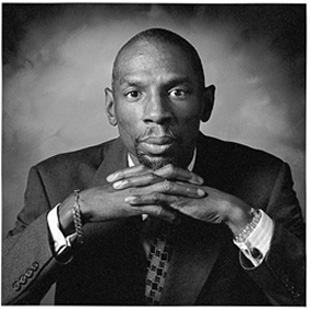
It is this photograph of Faiz Ahmed Faiz that I want to write about. But in this moment I cannot see it through any other lens then that of the sorrow and loss of Ami, my mother whose intekal or transition from this life occurred January 17, 2011.

 The late economist Hyman Minsky wrote that after fortunes inflate on the back of a speculative bubble, and after investors’ irrational optimism and overvalued assets inevitably collapse, an economy enters a “period of revulsion,” when people remember that it’s risky to bet big on an uncertain future. Likewise, it’s always during the depths of a hangover that a drinker remembers how whiskey invites its own overconsumption and swears that the only way to avoid another descent into this purgatory is to never touch the stuff again. But after the fog leaves and with a clear head regained, he forgets the pain after the party and declares another Manhattan to be an eminently reasonable investment. Of course, the trick is to recall at just that moment how miserable you’ll be after another three. A pessimistic economist faces the same cyclical popularity as a tee-totaling friend; a consoling voice the morning after becomes a buzz killer as soon as night falls again.